Black Box Insurance
Compare Black Box Insurance Quotes
You could save up to £535* on your car insurance in minutes.


Partnered with Quotezone
We’re partnered with Quotezone. As an Introducer Appointed Representative of Seopa Ltd (FCA FRN: 313860), we receive a commission if you purchase insurance products via SimplyQuote.co.uk.
We do not provide advice or make recommendations. Your choice of provider is entirely your own.




Compare black box insurance quotes for over 130 UK providers












What Is Black Box Insurance?
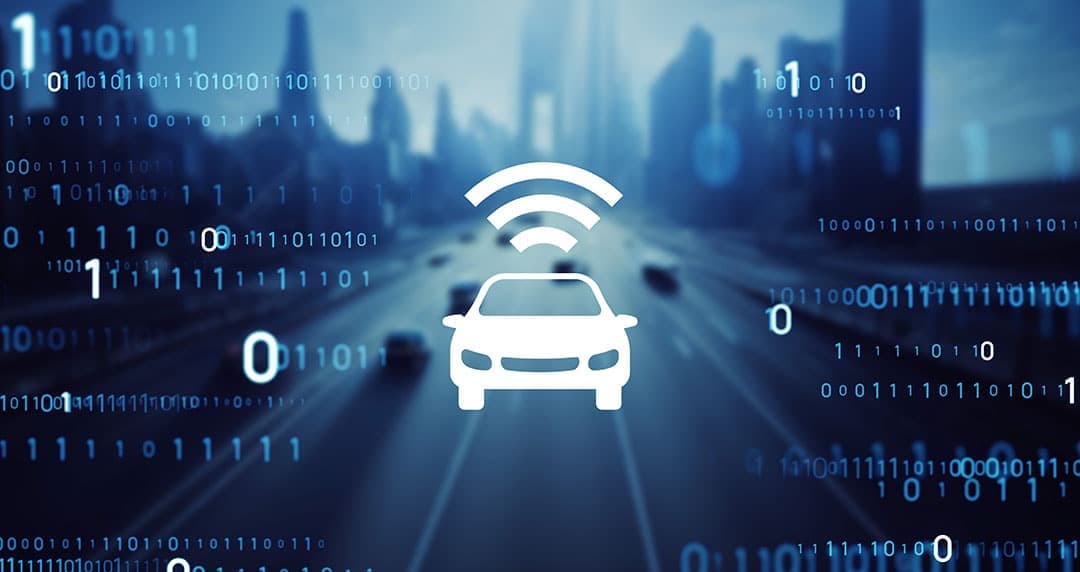
Black box insurance is a type of car insurance that uses a small GPS device fitted to your car to monitor how you drive and adjust your premium based on your driving behaviour.
The device, also called a telematics box, records data like your speed, braking, cornering, and the times you drive. Insurers use this data to build a driving score.
If you score well, your premium drops at renewal. The ABI reports that safe drivers with telematics policies can save up to 25% compared to standard policies.
Under the Road Traffic Act 1988, every car driven on UK roads must have at least third-party insurance. A black box policy satisfies this requirement while giving you the chance to earn lower premiums.

How To Compare Black Box Insurance Quotes
You compare black box insurance by entering your vehicle details, selecting your cover level, & reviewing quotes from multiple UK insurers side by side.
Enter your details
You’ll need your registration number, the car’s make and model, your postcode, date of birth, occupation, and estimated annual mileage. Have your driving licence handy for your licence number.
Choose your cover
Pick from third-party only, third-party fire and theft, or fully comprehensive. For most drivers, fully comprehensive is the cheapest option with a black box.
Select any add-ons
Decide which extras you want: breakdown cover, windscreen protection, courtesy car, or legal expenses. Adding them at quote stage is cheaper than bolting them on later.
Buy online
Review quotes from multiple car insurance companies and filter by price, cover level, or excess amount. Once you’ve chosen, your insurer arranges the black box fitting.
How Does Black Box Insurance Work?
A small GPS tracking device is fitted to your car, either professionally installed behind the dashboard or as a self-fit plug-in unit. It sends driving data to your insurer throughout the policy term.

How is the device fitted?
Most insurers send an engineer to fit the box for free within a few weeks of your policy starting. The device sits behind the dashboard and is roughly the size of a smartphone.
Some providers offer a plug-in device that connects to the OBD port under your steering column. A few now use a smartphone app instead of a physical box.

How is your driving score calculated?
Your insurer’s app or online portal shows a driving score based on your trips. Each journey is rated across several categories including speed, braking, acceleration, and cornering.
The score updates after every trip, so you can see which habits cost you points. Your insurer uses this data alongside standard rating factors like age, location, and no-claims history to set your renewal price.

What happens at renewal?
At the end of your policy year, your insurer reviews your overall driving score. A strong score means a lower renewal premium, sometimes significantly lower than your first year.
A poor score could mean your renewal price stays the same or rises. Some insurers also adjust premiums mid-term if your driving is consistently dangerous.
What Does A Black Box Measure?
A black box measures speed, braking, acceleration, cornering, time of day, mileage, and phone use. Some devices also track motorway driving and crash detection.

Speed
Driving above the limit is the biggest score penalty. Even 5mph over on a 30mph road counts.

Braking
Harsh braking suggests you’re following too closely or not reading the road ahead.

Acceleration
Hard acceleration burns fuel and increases accident risk, especially in wet conditions.

Cornering
Taking corners too fast signals aggressive driving. The device measures lateral G-force.

Time of driving
Late-night driving (11pm to 5am) carries higher accident risk. Some insurers cap night miles.

Mileage
Lower annual mileage generally means lower risk. Some policies set a mileage limit.

Phone use
The device detects if you pick up your phone while driving. This is illegal and tanks your score.

Motorway miles
Motorways are statistically safer per mile. A higher motorway ratio can help your score.
The box also acts as a vehicle tracker. If your car is stolen, insurers can pinpoint its location, which is why telematics policies often include theft recovery as standard.
Road safety charity Brake supports telematics as a way to encourage safer driving habits, particularly among younger drivers who benefit most from real-time feedback.
What Are The Pros And Cons Of Black Box Insurance?
The main advantage is cheaper premiums for safe drivers. The main drawback is that your driving is constantly monitored, and poor scores can increase your costs.
Pros
- Lower premiums for safe, low-mileage drivers, especially those under 25 who normally pay the highest rates.
- Real-time feedback through your insurer’s app helps you improve.
- Built-in vehicle tracking reduces theft risk.
- The device also provides crash data that can be used as evidence if you’re involved in an accident that wasn’t your fault.
Cons
- Night driving, peak-hour commuting, and exceeding mileage limits can all push your score down, even if you drive safely.
- The device can’t tell the difference between you and another driver using your car.
- Driving data doesn’t transfer between insurers, so switching providers means starting your score from scratch.
- Some insurers also charge a fitting or removal fee that isn’t always obvious upfront.
If constant monitoring isn’t for you, car insurance without a black box is available from most UK insurers.
What Levels Of Cover Can You Get?
Black box insurance is available at all three standard UK cover levels: third-party only, third-party fire and theft, and fully comprehensive.
Third-party only
The legal minimum required to drive on UK roads. Covers damage you cause to other people, vehicles, and property but doesn’t cover repairs to your own car.
Third-party, fire and theft
Adds cover if your car is stolen or damaged by fire. Read more about third-party fire and theft cover.
Fully comprehensive
Covers everything above plus damage to your own car, personal injury, windscreen repair, and key replacement. Most black box policies are sold as fully comprehensive.
Fully comprehensive is often cheaper than third-party only for young drivers because insurers view it as a sign of responsibility. The telematics data reinforces this.
Who Benefits Most From Black Box Insurance?
Young drivers, learner drivers, and drivers with convictions benefit most because they normally face the highest premiums. A black box gives them a way to prove they drive safely.

Young drivers (17-25)
Drivers under 25 pay the highest car insurance premiums in the UK. The average annual cost for a 17-year-old is around £1,700, with many paying well over £2,000 depending on location and vehicle.
A black box can cut this by 20-40% after one year of safe driving.

Learner drivers
Learner driver insurance with a black box lets you build a driving record before you even pass your test. The policy covers you on a parent’s car with a supervising driver.
Short-term learner policies run from a few hours to 90 days. The telematics data carries over to your first full policy with the same insurer, giving you a head start on cheaper premiums.

Drivers with convictions
If you have points on your licence, some insurers won’t cover you at all. A black box policy gives you a route back to affordable cover by proving your current driving is safe.
SP30 (speeding) is the most common motoring conviction, accounting for the majority of penalty points. A clean year of telematics data can reduce your renewal price considerably.

Over 50s
Older drivers who cover low mileage and avoid night driving tend to score well on telematics. If you only drive a few thousand miles a year, a black box policy could save you money compared to a standard quote.

Families with multiple cars
If you have two or more cars in your household, multi-car insurance with a telematics element can reduce the cost for younger drivers on the policy. The black box data proves each driver’s habits individually.

Electric car drivers
Electric car insurance premiums are typically 20-50% higher because of battery repair costs. A black box can offset this by proving low-risk driving habits and reducing your renewal price.
What Add-Ons Should You Consider?
The most useful add-ons for black box policies are breakdown cover, windscreen protection, and courtesy car cover. These fill gaps that even fully comprehensive policies don’t always include.
Breakdown cover
Includes roadside recovery, home start, and national recovery. Without it, a single callout costs £150+ and you’ll be stranded until a recovery service arrives.
Windscreen protection
Windscreen repair or replacement without affecting your no-claims bonus. Usually included in fully comprehensive policies but worth adding to TPO or TPFT.
Courtesy car
A replacement car while yours is being repaired after a claim. Not included as standard with most policies, so check before you assume you’re covered.
Legal expenses
Covers solicitor fees if you need to recover losses after an accident that wasn’t your fault. Typically covers up to £100,000 in legal costs.
Key cover
Pays for replacement keys if they’re lost, stolen, or damaged. Modern car keys cost £200-£500 to replace, so this add-on pays for itself quickly.
EU cover
Extends your policy to cover driving abroad, typically for up to 90 days per year. Worth adding if you drive to Europe for holidays or work.
Not sure whether to pay monthly or annually for your policy? Paying annually almost always saves you money because monthly payments include interest.
How Much Does Black Box Insurance Cost?
The average cost of black box car insurance depends on your cover level, but fully comprehensive is often the cheapest option.
| Cover Level | Average Annual Premium | Notes |
|---|---|---|
| Fully Comprehensive | £756 | Cheapest — insurers view it as lower risk |
| Third-Party Only | £798 | Legal minimum, but often costs more |
| Third-Party, Fire and Theft | £958 | Mid-tier cover at the highest average price |
Fully comprehensive is often the cheapest option because insurers associate it with lower-risk drivers. This is especially true for telematics policies where your driving data confirms you’re a safe driver.
What affects your black box insurance price?
Your premium depends on your driving score plus standard rating factors like age, postcode, car group, and claims history. Read more about how car insurance is calculated.
Your class of use also affects the price. Social-only use is cheapest, while commuting and business use cost more because of higher mileage and rush-hour risk.
| Factor | How It Affects Your Premium |
|---|---|
| Age | Drivers under 25 pay more. A strong telematics score narrows the gap. |
| Postcode | Higher crime and accident rates in your area increase your premium. |
| Car group | Higher insurance groups cost more. Popular first cars (Corsa, Polo) sit in lower groups. |
| Mileage | Lower annual mileage means lower risk and a lower price. |
| No-claims bonus | Each claim-free year reduces your premium. 5+ years gives the biggest discount. |
| Driving score | The single biggest factor unique to black box policies. A top score can cut your renewal by 30%+. |
Compare Black Box Insurance
You could save up to £535.17* on your car insurance in minutes
*51% of consumers could save £535.17 on their Car Insurance. The saving was calculated by comparing the cheapest price found with the average of the next four cheapest prices quoted by insurance providers on Seopa Ltd’s insurance comparison website. This is based on representative cost savings from May 2026 data. The savings you could achieve are dependent on your individual circumstances and how you selected your current insurance supplier.
How To Save Money On Black Box Insurance
The fastest way to save is to improve your driving score, compare quotes from multiple insurers, and avoid unnecessary mileage.
Improve driving score
Check your score after every trip and focus on the categories where you lose the most points. For most drivers, speed and braking are the biggest score penalties.
Avoid driving between 11pm and 5am unless you have to. Late-night hours carry the highest accident risk and most insurers penalise them.
Compare quotes yearly
Never auto-renew. Compare car insurance quotes from multiple providers every year, because even with a strong telematics score, switching insurer can save you hundreds.
Keep mileage low
If your policy has a mileage cap, stay well under it. Going over can trigger a mid-term price increase or void your cover altogether.
If you work from home or only drive at weekends, make sure your estimated mileage reflects this. Overstating mileage means overpaying.
Choose a low insurance group car
Cars in insurance groups 1-10 are the cheapest to insure. Popular choices include the Vauxhall Corsa, VW Polo, Ford Fiesta, and Fiat 500.
Build no-claims bonus
Every claim-free year earns you a bigger discount. After 5 years, your no-claims bonus can reduce your premium by up to 70%.
Setting a higher voluntary excess also lowers your premium, but make sure you can afford to pay it if you need to claim.
Park Securely
Parking on a driveway or in a garage overnight reduces your premium. Street parking in a high-crime area pushes it up.
Looking for insurers that aren’t on the usual comparison sites? Try car insurance not on comparison sites for exclusive deals.

Frequently Asked Questions
Yes, but only when your policy ends or you switch insurer. Some providers charge a removal fee of £50-£100, and tampering with the device during your policy can void your cover.
Yes, the device uses GPS to record where and when you drive. This data is also used for theft recovery if your car is stolen.
Yes, but your driving data doesn’t transfer between insurers. You’ll start fresh with a new provider and your old insurer will arrange removal of their device.
No, you can drive at any time. However, most insurers apply higher risk weighting to trips between 11pm and 5am, which can lower your driving score.
No. Some insurers specialise in telematics (like Marmalade, Veygo, and ingenie) while others offer it as an option alongside standard policies.
The black box records all driving regardless of who’s behind the wheel. Poor driving by a named driver will lower your score, so choose carefully who you let drive.
Yes, most devices have crash detection and can alert your insurer or emergency services automatically. The data also provides evidence of speed and braking before impact.
No, professionally fitted devices draw minimal power and won’t affect your battery. Plug-in devices should be disconnected when the car isn’t in use for long periods.
No. Anyone can benefit, but young drivers (17-25) see the biggest savings because they start with the highest standard premiums.
A standard black box policy lasts 12 months, the same as any car insurance policy. You can switch or renew at the end of the term.
If your car is seized by the police for no insurance, you’ll need impound release cover to get it back. The release fee is £192 plus £26 per day in storage.