




Compare Insurance Quotes from top UK’s leading Motor Trade insurers including:




















What Is Motor Trade Insurance?
Motor trade insurance is a specialist commercial policy that covers vehicles under your care, custody, and control. It protects your business when you are driving, storing, or working on cars that belong to customers or your own stock.
A standard car insurance policy won’t cover you if you handle vehicles as part of a trade. Motor trade insurance fills that gap, covering everything from test drives and deliveries to repairs and MOTs.
There are two main policy types. Road risk insurance covers you to drive vehicles on public roads.
Combined motor trade insurance adds premises cover, public liability, and employers’ liability on top.

How To Compare Motor Trade Insurance Quotes
Enter your business details, choose the cover level you need, and see quotes from specialist motor trade insurers side by side.
Enter business details
Provide information onw what your business does, how long you’ve been trading, and how many vehicles you handle.
Add driver information
Provide details for each driver you want covered, including licence type, years of experience, and any claims or convictions.
Choose cover level
Select road risk only or combined cover. Road risk covers driving on public roads, while combined adds premises, liability, and stock protection.
Compare and buy
Review quotes from multiple specialist insurers. Every policy shown meets the legal requirements for your trade, so you can buy with confidence.
Who Needs Motor Trade Insurance?
Any business that buys, sells, repairs, stores, or transports vehicles as part of its trade needs motor trade insurance. This includes full-time traders with premises and part-time traders working from home.
By trade

Car dealer insurance
is for businesses that buy and sell new or used vehicles from a forecourt or online.

Car broker insurance
covers intermediaries who arrange sales between buyers and sellers without owning the vehicles.

Car repair insurance
protects garages that service, MOT, and repair customer vehicles.

Mobile mechanic insurance
covers mechanics who carry out repairs at customer locations rather than a fixed workshop.

Motorcycle trade insurance
is specialist cover for businesses that buy, sell, or repair motorcycles.
By service

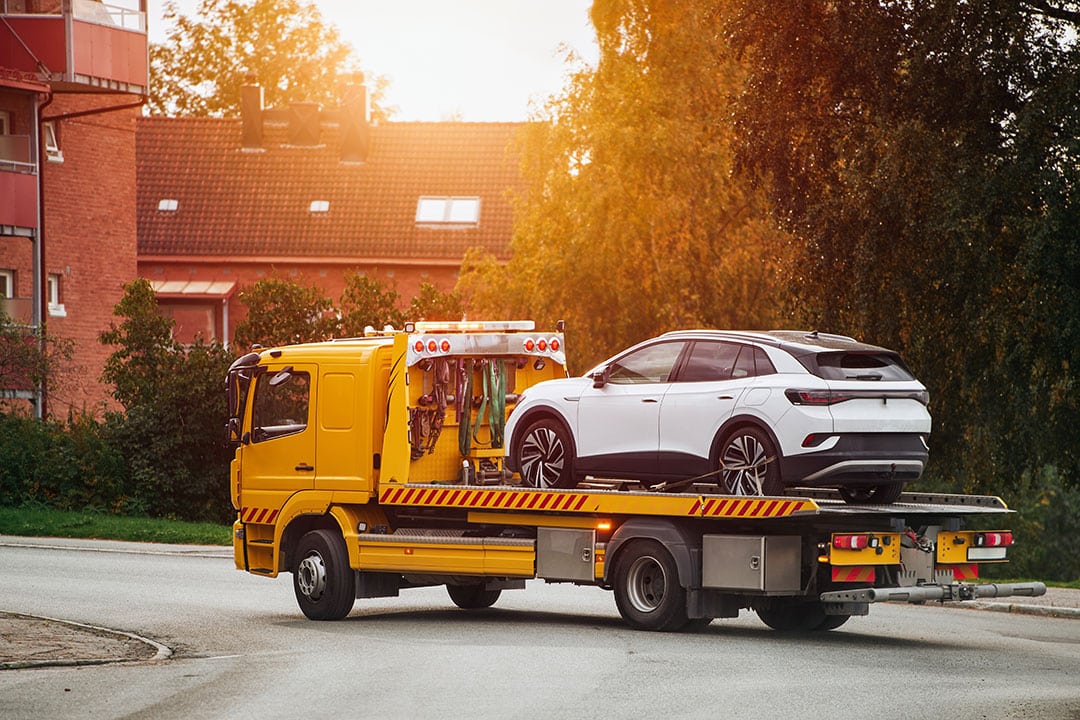
Recovery truck insurance
covers breakdown and recovery firms that tow and recover vehicles on public roads.

Tyre fitter insurance
protects businesses that fit and replace tyres, exhausts, and related components.

Valeting insurance
is for services that clean and prepare vehicles, whether on-site or at customer premises.

Car detailing insurance
covers professional interior and exterior detailing work on customer vehicles.

Vehicle transport insurance
protects businesses that move vehicles by truck or trailer between locations.
By specialism

Scrap dealer insurance
covers yards that buy, dismantle, and recycle end-of-life vehicles.

Salvage insurance
is for dealers who buy and resell damaged or written-off vehicles.

Car jockey insurance
covers services that move vehicles at airports, dealerships, or large venues.

Exporting insurance
protects businesses that export vehicles to overseas markets, including transit and customs risks.
If you buy and sell fewer than 10 vehicles a year, you may qualify for part-time motor trade insurance which is cheaper than a full commercial policy.
What Does Motor Trade Insurance Cover?
Motor trade insurance covers the vehicles you handle as part of your business, plus your legal liabilities to employees, customers, and the public.
Road risk cover
This is the core of every motor trade policy. It covers you to drive vehicles on public roads, whether they are your own stock, customer cars awaiting repair, or vehicles being delivered.
Employers’ liability
If you employ anyone, employers’ liability insurance is a legal requirement under the Employers’ Liability (Compulsory Insurance) Act 1969. It covers compensation and legal costs if an employee is injured or becomes ill because of their work.
Public liability
Public liability covers legal costs and compensation if a member of the public is injured on your premises or because of your work. Not legally required, but most traders carry it.
Custody and control cover
Protects customer vehicles while they are in your care, whether parked on your forecourt, in your workshop, or being test-driven. Accidental damage, theft, and fire are typically included.
Product liability
If you fit parts or carry out servicing, product liability covers you if a customer suffers loss because of faulty work or defective parts. Particularly important for tyre fitters and bodyshop garages.
What Level Of Cover Do You Need?
There are three cover levels for the road risk element of your motor trade policy. The right choice depends on the value of the vehicles you handle and how much risk you can absorb.
Third party, fire and theft vs fully comprehensive
Third-party only is the legal minimum for driving on UK roads. Most established traders choose fully comprehensive because the cost of repairing a customer’s car out of pocket far outweighs the premium difference.
| Cover Level | What It Covers | Best For |
| Third party only | Damage to other vehicles and property only | Low-value stock, budget traders |
| Third party, fire and theft | As above plus fire and theft of vehicles in your care | Mid-value stock, part-time traders |
| Fully comprehensive | All damage including accidental to vehicles in your care | Most traders, customer vehicles, high-value stock |
What Additional Cover Can You Add?
Most motor trade policies let you bolt on extra cover to match your specific trade. These add-ons fill gaps that the core policy doesn’t cover.
Premises and stock cover
Protects your buildings, tools, equipment, and unsold vehicle stock against fire, flood, theft, and vandalism. A must-have if you trade from a fixed location.
Demonstration cover
Covers vehicles taken out for test drives by prospective buyers. Typically provides third-party protection for the duration of the test drive.
Goods in transit
Covers vehicles or parts being transported between locations. Particularly important for vehicle transporters and exporters.
Specialist vehicle cover
If you work with classic cars, high-performance vehicles, or motorcycles, specialist vehicle cover ensures these are insured at their true market value.
European cover
Extends your road risk cover to European countries if you buy, sell, or transport vehicles across borders.
How Much Does Motor Trade Insurance Cost?
Motor trade insurance typically costs between £600 and £3,500 per year for most businesses. A small part-time trader working from home will pay towards the lower end, while a large dealership with multiple drivers and premises will pay more.
| Business Type | Typical Annual Cost | Cover Level |
| Part-time trader (home-based) | £600 to £1,200 | Road risk only |
| Independent garage/mechanic | £1,000 to £2,000 | Road risk + premises |
| Small dealership (1-2 drivers) | £1,500 to £2,500 | Combined |
| Large dealership (3+ drivers) | £2,500 to £3,500+ | Combined + demo cover |
What affects the price?
Your trade type, number of drivers, claims history, vehicle values, and location all affect the premium. Named driver policies are cheaper than ‘any driver’ cover, and traders with security measures like CCTV and gated forecourts pay less.
How to keep costs down
Compare quotes from multiple specialist providers rather than buying the first policy you find. Name your drivers individually instead of choosing ‘any driver’ cover, and invest in forecourt security.
Paying annually instead of monthly saves on interest and admin fees. Some insurers also let you transfer your personal no-claims bonus to your motor trade policy.
All motor trade insurance providers must be authorised by the Financial Conduct Authority. Check a provider’s registration before buying if you haven’t heard of the brand.
Can You Get Part-Time Motor Trade Insurance?
Yes, part-time motor trade insurance is available if you buy and sell vehicles alongside another job. You typically need to handle at least 5 to 10 vehicles per year to qualify.
What do you need to qualify?
You’ll need proof that you’re active in the motor trade, such as sales receipts, invoices, or auction records. Most part-time policies require you to be buying and selling rather than just repairing.
What cover do you get?
Part-time policies typically offer road risk only cover, which is the legal minimum for driving vehicles on public roads. You can upgrade to combined cover if you trade from premises.
What Is Combined Motor Trade Insurance?
Combined motor trade insurance bundles road risk cover with premises protection, public liability, and employers’ liability into a single policy. It’s cheaper than buying each element separately.
What is included in a combined policy?
Combined cover is the right choice for any motor trader with a fixed location, employees, or customer-facing premises. Larger businesses with multiple vehicles may also benefit from fleet insurance to cover their own company vehicles alongside the trade policy.
Home-based traders buying and selling a few cars typically only need a road risk policy.
Do You Need Trade Plates?
Trade plates let you drive untaxed and unregistered vehicles on public roads without insuring each one individually. They’re useful if you regularly move stock between locations.
How do trade plates work?
You apply for trade plates through the DVLA, and full details are on the government’s trade vehicle registration page. They can only be used for trade purposes such as test drives, deliveries, and moving stock.
Do you still need motor trade insurance with trade plates?
Yes, trade plates don’t replace insurance. Your motor trade policy must cover road risk use for the plates to be valid.
Without a policy, using trade plates on public roads is illegal.

Frequently Asked Questions
Road risk covers you to drive vehicles on public roads. Combined cover adds premises protection, public liability, and employers’ liability on top, making it suitable for traders with a fixed business location.
No, personal car insurance doesn’t cover vehicles you handle as part of a trade. You need a dedicated motor trade policy to be legally covered.
Most insurers require you to buy and sell at least 5 to 10 vehicles per year. Some part-time policies accept as few as 5 vehicles.
Yes, you can add named drivers or choose an ‘any driver’ policy. Named drivers are cheaper, but any driver cover gives you more flexibility if multiple people handle vehicles.
Yes, if you’re driving vehicles away from auction, you need road risk cover. Most auction houses require proof of motor trade insurance before you can collect a vehicle.
Road risk insurance is a legal requirement if you drive vehicles on public roads as part of your trade. Employers’ liability is also legally required if you employ anyone.
Yes, some specialist providers accept traders with convictions, though premiums will be higher. The type and age of the conviction affect whether an insurer will offer cover.
It refers to vehicles that have been entrusted to you by their owner, such as a customer’s car left at your garage for repair. Your motor trade policy covers these vehicles while they are in your possession.
A combined motor trade policy includes premises cover. If you only have a road risk policy, your buildings, tools, and stock aren’t insured, and you’d need to arrange separate cover.
You can compare quotes and buy a policy online in minutes. Cover can start the same day in most cases.
Most insurers ask for proof of trading such as a VAT registration, HMRC self-employment record, business bank statements, or purchase and sales receipts. If you’re just starting out, a business plan and Companies House registration can be enough.
Yes, several insurers cover new traders. You’ll usually need to show a business plan, proof of premises or storage, and your intended volume of trades per year.
A standard policy covers cars, vans, and light commercial vehicles. Motorcycles, HGVs, and specialist vehicles like recovery trucks may need additional cover or a separate policy.
Yes, all insured vehicles must appear on the MID. Your insurer handles this for vehicles on your motor trade policy, but you should check that temporary stock vehicles are correctly listed.
Most insurers require you to be at least 21, though some accept traders from age 18 with higher premiums. Drivers under 25 typically pay more regardless of experience.
Some policies include social, domestic, and pleasure use on your own vehicle. Check your policy wording, as not all insurers include this automatically.
Your road risk cover pays out for damage to the vehicle while it’s in your care, custody, and control, so the claim goes against your motor trade policy rather than the customer’s personal insurance. See our guide on what motor trade insurance is for a full explanation.
Yes, if you move vehicles between locations, deliver to buyers, or test-drive stock, you need road risk cover. Read more about motor trade insurance costs for online traders.