Learner Driver Insurance
Learner Driver Insurance for Provisional Drivers
Get flexible cover to practise driving with a provisional licence.

Partnered with Quotezone
We’re partnered with Quotezone. As an Introducer Appointed Representative of Seopa Ltd (FCA FRN: 313860), we receive a commission if you purchase insurance products via SimplyQuote.co.uk.
We do not provide advice or make recommendations. Your choice of provider is entirely your own.





Compare car insurance from the UK’s leading car insurers for learner drivers including:










What Is Learner Driver Insurance?
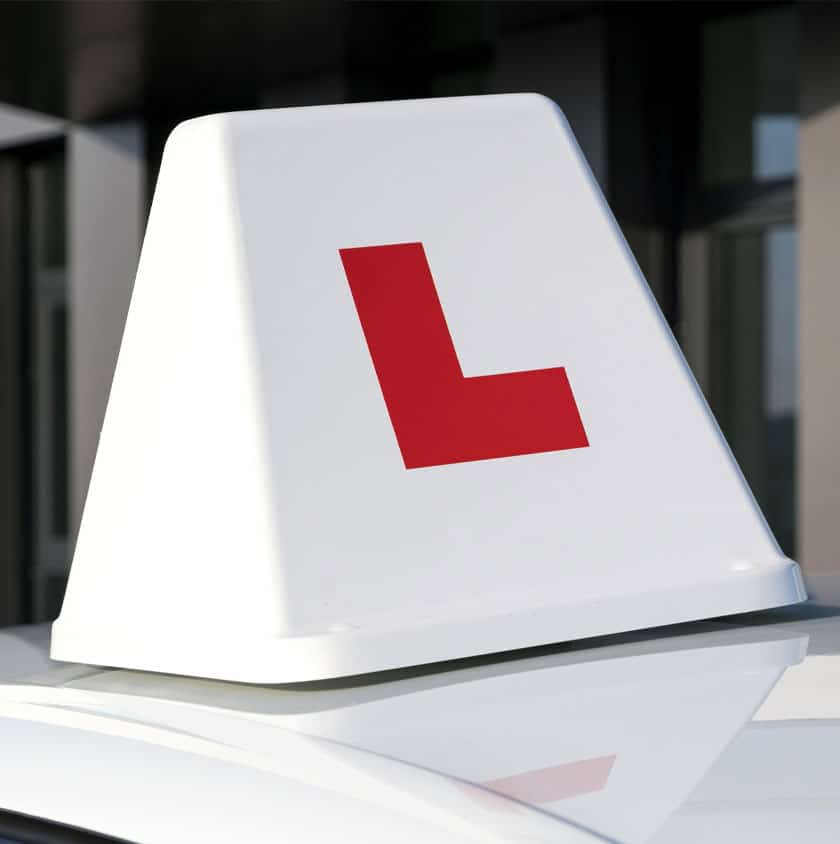
Learner driver insurance is car insurance designed for provisional licence holders, covering them to practise driving in a friend’s or family member’s car without affecting the owner’s policy.
Every vehicle driven on UK roads must be insured by law. The GOV.UK driving licence page confirms that provisional licence holders can drive on public roads as long as they are supervised by a qualified driver and the vehicle is properly insured.
Without a separate learner driver policy, the only option is to be added as a named driver on the car owner’s car insurance policy. This can increase their premium and put their no-claims bonus at risk.
How To Compare Learner Driver Insurance Quotes
You can compare learner driver insurance quotes in under five minutes by entering your details, choosing your cover level, and reviewing prices from multiple providers.
Enter your personal and vehicle details
Provide your name, age, provisional licence number, and the car’s registration, make, model, and approximate value. You also need the car owner’s details and their existing insurance information.
Choose your cover length and level
Decide whether you need temporary cover (hourly, daily, or weekly) or an annual policy. Then choose between third-party only, third-party fire and theft, or comprehensive cover.
Compare quotes side by side
Review pricing, cover limits, and excess amounts from multiple providers. The FCA regulates all UK motor insurers, so every quote meets the same consumer protection standards.
Buy online and start driving
Choose the policy that fits your needs and budget. Your cover note and policy documents arrive by email within minutes, so you can start practising the same day.
What Does Learner Driver Insurance Cover?
A learner driver insurance policy covers third-party liability, accidental damage to the practice vehicle, fire, theft, and personal injury for you and your passengers.
Third-party liability
Pays for injuries to other people and damage to their property if you cause an accident while practising. This is the minimum legal requirement for any vehicle on UK roads.
Accidental damage
Covers repair or replacement costs if you damage the practice vehicle in a collision. Comprehensive cover includes accidental damage as standard, while third-party only policies do not.
Fire and theft
Protects against loss if the vehicle is stolen or damaged by fire while you are the insured driver. Both TPFT and comprehensive policies include this cover.
Personal injury
Covers medical expenses for you and your passengers following an accident. Some policies also include a lump-sum payout for serious or permanent injuries.
Breakdown cover
Some learner driver policies include breakdown cover as standard or as an optional add-on. This pays for roadside assistance if the practice car breaks down while you are driving it.
Windscreen cover
Many comprehensive policies cover windscreen repair or replacement without affecting your no-claims bonus. On lower-level policies, this may be available as an add-on.
What Types Of Learner Driver Insurance Can You Get?
There are two main types of learner driver insurance: short-term cover for specific practice sessions and annual policies for regular, ongoing driving practice.
| Type | Duration | Best For |
| Short-term (temporary) | 1 hour to 28 days | Occasional practice, pre-test cramming, borrowing a friend’s car |
| Annual | 12 months | Regular practice over several months, added to the owner’s policy |
| Named driver on owner’s policy | Ongoing | Learners practising in a parent’s car long-term |
Short-term learner driver insurance
Covers you for a set period, from one hour to 28 days. You pay for only the time you need, making it the cheapest option for occasional practice sessions.
See our temporary car insurance page for more on short-term cover.
Annual learner driver insurance
A 12-month policy works out cheaper per day than short-term cover if you practise regularly. The DVSA recommends around 22 hours of private practice alongside professional lessons, which typically means several months of driving.
Named driver on the owner’s policy
The car owner adds you to their existing policy, but this may increase their premium and put their no-claims bonus at risk if you make a claim.
A separate learner policy avoids both problems and keeps the owner’s record clean.
Compare Learner Driver Insurance
You could save up to £535.17* on your car insurance in minutes
What Is Not Covered By Learner Driver Insurance?
Standard learner driver policies typically exclude unsupervised driving, driving after passing your test, mechanical breakdown, and damage caused by negligence.
Driving without a supervising driver
Learner drivers must be accompanied by a qualified driver aged 21 or over who has held a full UK driving licence for at least three years. Driving alone invalidates your cover.
Driving after passing your test
Most learner driver policies expire the moment you pass your driving test. You need to arrange new cover as a full licence holder before driving home from the test centre.
Mechanical and electrical breakdown
Insurance covers sudden, accidental damage, not mechanical failure. You need separate breakdown cover for engine, gearbox, or electrical faults.
Damage caused by negligence
Insurers may reject claims if the car was left unlocked or if you drove recklessly. Cover is also void if you drive under the influence of alcohol or drugs.
Vehicles you do not have permission to drive
Your policy only covers the specific vehicle listed on it. Driving a different car without updating your policy means you have no cover.
Motorway driving without an instructor
Learner drivers can legally drive on motorways since June 2018, but only with an approved driving instructor in a dual-control car. Driving on a motorway with an ordinary supervising driver is not permitted and would invalidate your cover.
How Much Does Learner Driver Insurance Cost?
Learner driver insurance costs from around £18 per day for short-term cover to roughly £300–£600 per year for an annual policy, depending on your age, the car, and where you live.
| Duration | Typical Cost |
| 1 day | £18–£30 |
| 1 week | £45–£110 |
| 2 weeks | £45–£120 |
| 1 month | £65–£170 |
| 3 months | £140–£300 |
| 6 months | £250–£500 |
| 12 months | £300–£600 |
What affects the price?
Insurers use many of the same factors as standard car insurance calculations: your age, the car’s insurance group, your postcode, and the level of cover you choose.
The supervising driver’s age and driving record also affect the premium. A supervisor with a clean licence and several years’ experience typically brings the cost down.
Is it cheaper than being added to a parent’s policy?
Short-term learner insurance is almost always cheaper for occasional practice. Being added as a named driver on a parent’s annual policy can cost £200–£1,000 per year in extra premium, and it puts their no-claims bonus at risk.
Who Needs Learner Driver Insurance?
Anyone practising to drive in a car they do not own or are not already insured on needs learner driver insurance, whether they are 17 or 47.
Learners practising in a parent’s car
The most common scenario. A separate learner policy protects the parent’s no-claims bonus and avoids a premium increase on their existing cover.
The parent does not need to inform their own insurer, and any claims you make go against your learner policy only.
Learners borrowing a friend’s car
If a friend lends you their car for practice, you need your own policy. Their insurance will not cover you as a learner driver unless you are specifically named on it.
A short-term learner policy is usually the cheapest way to borrow a car for a few practice sessions.
Learners preparing for their driving test
Intensive last-minute practice before a test date is common. Temporary learner driver insurance for a few days or weeks is the most cost-effective option here.
Students learning to drive at university
Students who practise during term-time and holidays often need flexible cover. Compare young driver insurance options if you plan to keep driving after passing your test.
Older learners
There is no upper age limit for learning to drive. Older learners often get lower premiums than 17-year-olds because they are seen as lower risk by insurers.
If you are over 25 and learning for the first time, a short-term policy for the weeks around your test is usually the best value. Many providers offer discounted rates for mature learners.
How To Save Money On Learner Driver Insurance
The best ways to cut your premium are choosing the right cover length, picking a low insurance group car, comparing multiple providers, and considering telematics.
Choose the right cover length
If you only practise once a week, daily or weekly cover is cheaper than paying for an annual policy. Match the policy length to how often you actually drive.
Pick a low insurance group car
Cars in insurance groups 1–10 cost much less to insure than high-performance vehicles. If you are buying your first car, choose one with a small engine, low value, and cheap parts.
Compare quotes from multiple providers
Prices vary widely between insurers. Comparing quotes takes minutes and can save you hundreds of pounds over the course of your learning period.
Consider telematics insurance
A telematics policy monitors your driving via a small device or smartphone app. Careful, consistent driving can earn you lower renewal premiums, which is useful once you pass your test.
Increase your voluntary excess
Raising the amount you agree to pay towards a claim reduces your premium. Read our guide on car insurance excess to understand how voluntary and compulsory excess work together.
Pay annually if you can
Monthly payments include interest charges that typically add 10–15% to the total cost. If you can afford the lump sum, paying upfront saves money.
Secure the practice car properly
Keeping the car in a locked garage or on a private driveway rather than the street can lower the premium. Insurers reward lower theft risk.
Many learners overestimate how much practice time they need before their test. Work out a realistic schedule and buy cover to match it.
Compare Learner Driver Insurance
You could save up to £535.17* on your car insurance in minutes

Frequently Asked Questions
Learner driver insurance is a car insurance policy for provisional licence holders, covering them to practise driving in someone else’s car without affecting the owner’s existing policy or no-claims bonus.
Yes, every vehicle driven on UK roads must be insured. The Motor Insurers’ Bureau checks insurance status automatically via ANPR cameras, and uninsured drivers face a £300 fixed penalty and six points.
Yes, the car owner can add you to their policy, but this often increases their premium and puts their no-claims bonus at risk. A separate learner policy avoids both problems.
You must be at least 17 years old and hold a valid UK provisional driving licence. There is no upper age limit.
No, most learner driver policies end the moment you pass your driving test. You need to arrange new cover as a full licence holder before driving again.
Your supervising driver must be at least 21 years old and have held a full UK driving licence for at least three years. They must sit in the front passenger seat at all times.
Many policies cover standard cars registered in the UK with a value under £40,000 and no more than seven seats. Modified, high-performance, and hire vehicles are usually excluded.
Short-term cover starts from around £18 per day, while annual policies range from £300 to £600 depending on your age and location. See our guide on young driver insurance costs for more detail.
Short-term cover runs from one hour to 28 days and suits occasional practice, while annual cover lasts 12 months and costs less per day for regular driving. See our temporary learner driver insurance page for more on short-term options.
No, most learner driver policies do not build a transferable no-claims bonus, though some annual policies offer an introductory discount if you drive claim-free. Check our guide on how no-claims bonuses work for more detail.
Your learner driver insurance covers the cost of the claim, protecting the car owner’s policy. You will need to pay the excess amount, and the incident will be recorded on your driving history.
Car Insurance Guides