
Do You Need Insurance as a Seller for Test Drives?


Yes. Your car must be insured when someone test drives it, and as the registered keeper, that responsibility sits with you.
Most sellers never check whether their policy covers someone else behind the wheel. By the time they find out, it is usually because an accident has already happened and the insurer is asking questions.
Your car insurance may only cover named drivers. If a buyer takes the car for a spin without valid cover and causes a collision, both of you face legal consequences and you could be personally liable for the damage.
Yes, and the responsibility is yours as registered keeper. Most policies cover named drivers only, so a buyer taking the wheel is usually uninsured unless someone arranges cover first — short-term cover in the buyer’s name is the cleanest answer. Check the licence, go with them, and never rely on the buyer’s own policy without seeing proof.
Compare car insurance quotes and check who your policy actually covers.
- Does your policy actually cover other drivers?
- What are your options for covering a test drive?
- What happens if there is an accident during a test drive?
- How should you handle test drives safely?
- Can you refuse to offer a test drive?
- Will a test drive accident affect your premium?
- Frequently asked questions (FAQs)
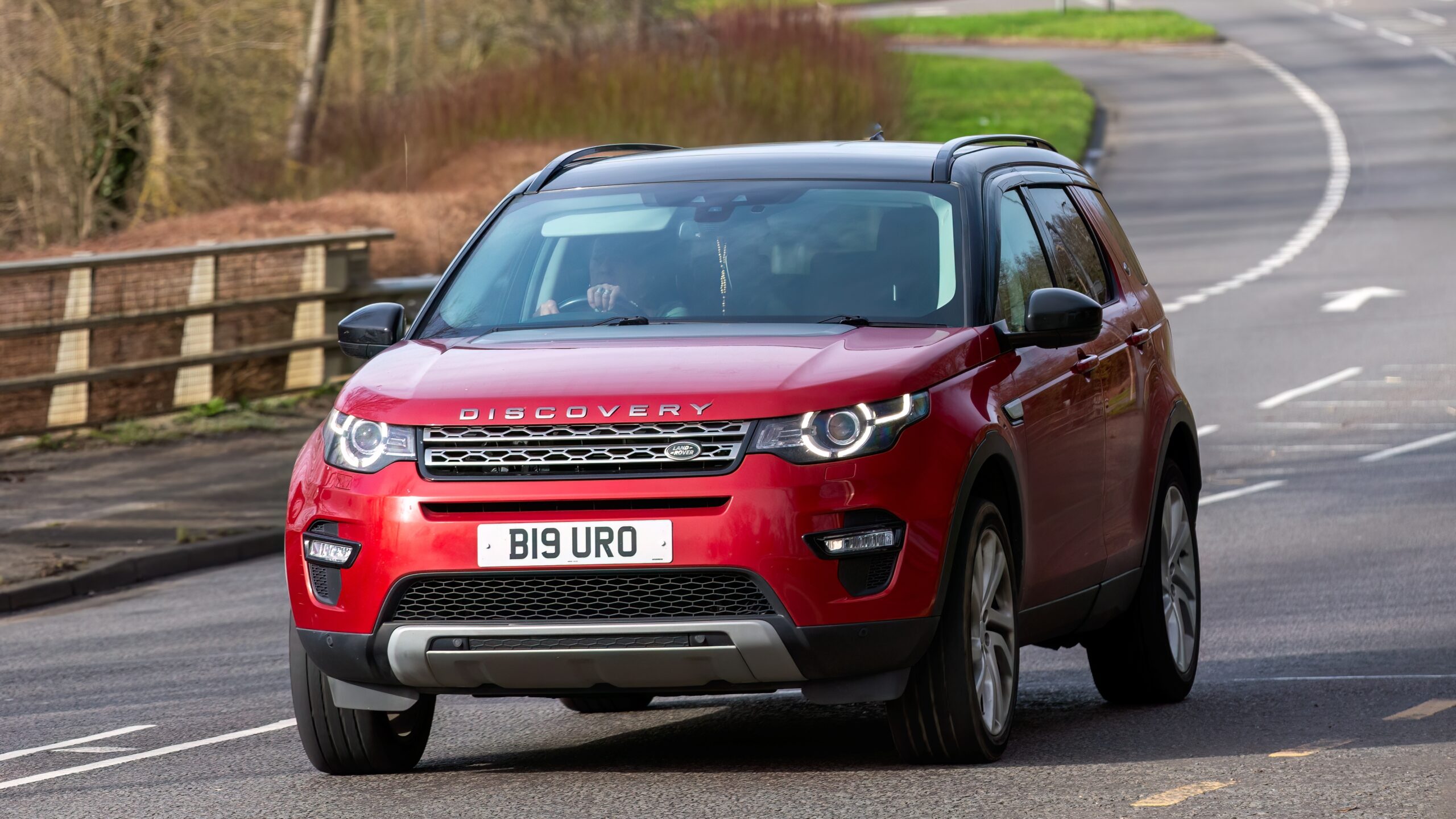
Does your policy actually cover other drivers?
Not necessarily, because many policies only cover the policyholder and any additional named drivers. A buyer who turns up for a viewing is almost certainly not listed on your policy.
What about driving other cars cover?
The driving other cars (DOC) clause is a common source of confusion. It covers you driving someone else’s car, not someone else driving yours.
Where a policy still includes DOC, it is normally third party only, restricted to emergencies, and offered only to policyholders over 25.
To check your cover, look at the certificate of insurance or call your insurer directly. Ask specifically whether an unnamed driver is permitted to take the car for a test drive.
What are your options for covering a test drive?
Three routes: your own policy covers any driver, the buyer has their own cover that extends to your car, or the buyer arranges temporary insurance.
What happens under each option?
| Insurance scenario | Who handles a claim | Impact on your record | Your risk as seller |
| Your policy covers any driver | Your insurer pays out | Claim goes on your record and may raise your renewal premium | Medium — your excess applies and your no-claims discount is at risk |
| Buyer has their own cover (DOC or any-driver) | Buyer’s insurer pays out | No impact on your policy | Low — but DOC is third-party only, so damage to your car is not covered |
| Buyer arranges temporary cover | Temp insurer pays out | No impact on your policy | Lowest — standalone policy with no connection to your record |
| No insurance in place | Nobody — you pay personally | Criminal record plus potential civil liability | Extreme — £300 fine, 6 points, car seizure, personal liability for all damage and injuries |
Temporary car insurance is the cleanest option. The buyer arranges it in minutes, it covers them independently, and any claim stays off your policy entirely.
What happens if there is an accident during a test drive?
It depends entirely on who is insured. Under the Road Traffic Act 1988, driving without valid insurance is a criminal offence carrying a £300 fixed penalty and six penalty points.
What if nobody is insured?
Your insurer must still pay the other driver’s third-party costs under the Road Traffic Act, but will then recover every penny from you through subrogation. In serious injury cases, this can exceed £1 million.
An IN10 endorsement for no insurance stays on your licence for four years. Most mainstream insurers will not cover you afterwards, leaving you reliant on specialist convicted driver insurance at much higher premiums.
As the registered keeper who allowed an uninsured driver to use the vehicle, you can also be prosecuted under section 143 of the Road Traffic Act. The court can impose an unlimited fine and disqualification.
How should you handle test drives safely?
Ten minutes of preparation protects you from thousands of pounds in potential liability. The key steps happen before the buyer arrives, not during the drive itself.
What should you do before every test drive?
Confirm insurance is in place. Either check that your own policy covers any driver, or ask the buyer to show proof of their cover or a temporary insurance confirmation.
Ask to see the buyer’s driving licence and take a photo of it. This confirms they hold a valid licence and gives you a record of their identity if anything goes wrong.
Photograph the car before the drive. Take pictures of all panels, wheels, and the interior, and note the mileage.
These photos give you evidence if there is a dispute about damage afterwards. Without them, it becomes your word against the buyer’s.
What about during and after the drive?
Always accompany the buyer and sit in the passenger seat. Never hand over the keys for them to drive off alone.
Suggest a route you know well and keep the drive to 15 to 20 minutes. That is enough time for the buyer to assess the car without adding unnecessary risk.
After the drive, walk around the car together and check for new damage against your pre-drive photos. Note the mileage and confirm it matches what you would expect for the route taken.
Can you refuse to offer a test drive?
Yes, there is no legal obligation to offer test drives when selling privately. You can decline entirely or set conditions the buyer must meet before you agree.
When should you say no?
If the buyer refuses to show their driving licence, cannot prove they are insured, or behaves in a way that makes you uncomfortable. Your vehicle, your insurance, your decision.
Most serious buyers understand that sellers want to protect themselves. If someone pushes back against reasonable precautions like confirming insurance or being accompanied on the drive, that is a red flag.
Will a test drive accident affect your premium?
Only if the claim goes through your policy. Any claim recorded against you, even one where you were not driving, can increase your premium at renewal and reduce your no-claims discount.
Our tips to lower your car insurance premium explains how no-claims bonuses work and what affects your renewal price.
How do you avoid a premium increase?
Have the buyer arrange their own cover. If the claim goes against a temporary policy or the buyer’s own fully comprehensive insurance, your record stays clean and your no-claims discount is unaffected.
Under the Continuous Insurance Enforcement rules, your car must be insured at all times while it is registered. Keep your policy active until the sale completes and the DVLA records the change of keeper.
Frequently Asked Questions (FAQs)
Not always. Many policies only cover named drivers, so check your certificate of insurance or call your insurer to confirm before allowing anyone else to drive your car.
They can purchase temporary car insurance that covers them to drive your specific vehicle. It takes minutes to arrange online and covers them independently of your policy.
You can, but a disclaimer does not override insurance law or protect you from liability. It is useful as a record of the arrangement rather than as legal protection.
If the buyer has comprehensive cover on their own vehicle with a DOC clause, it may provide third-party-only cover when driving yours. Damage to your car would not be covered under their DOC extension.
You can allow it, but it increases your risk. Most sellers accompany buyers as standard practice, and you are within your rights to insist on being in the car during the drive.