
Does Insurance Cover Loaner Cars at Work?


Yes, but it is not your personal insurance that covers them. Loaner cars are insured by whoever provides them, whether that is a garage, your employer, or your insurer’s own courtesy car scheme.
Your personal car insurance covers the vehicle named on your policy. It does not extend to courtesy cars, employer loaners, or fleet replacements.
The only exception is driving other cars (DOC) cover, which lets you drive another person’s private car with their permission. Even then, DOC provides third-party cover only and does not apply to commercial or fleet vehicles.
It depends who lent you the car. A garage courtesy car is usually insured by the garage or your own insurer’s scheme; an employer’s loaner should sit on the company’s motor policy.
What almost never covers it is your own personal policy. Ask who the insurer is and what the excess is before you drive it, because finding out afterwards is expensive.
Compare car insurance quotes and check what your own policy extends to.
- Who insures a courtesy car from a garage?
- Who insures an employer-provided loaner vehicle?
- What cover do you get from your insurer's courtesy car?
- Does your personal car insurance ever cover a loaner?
- What should you check before driving any loaner?
- What happens if you damage a loaner car?
- Frequently asked questions (FAQs)
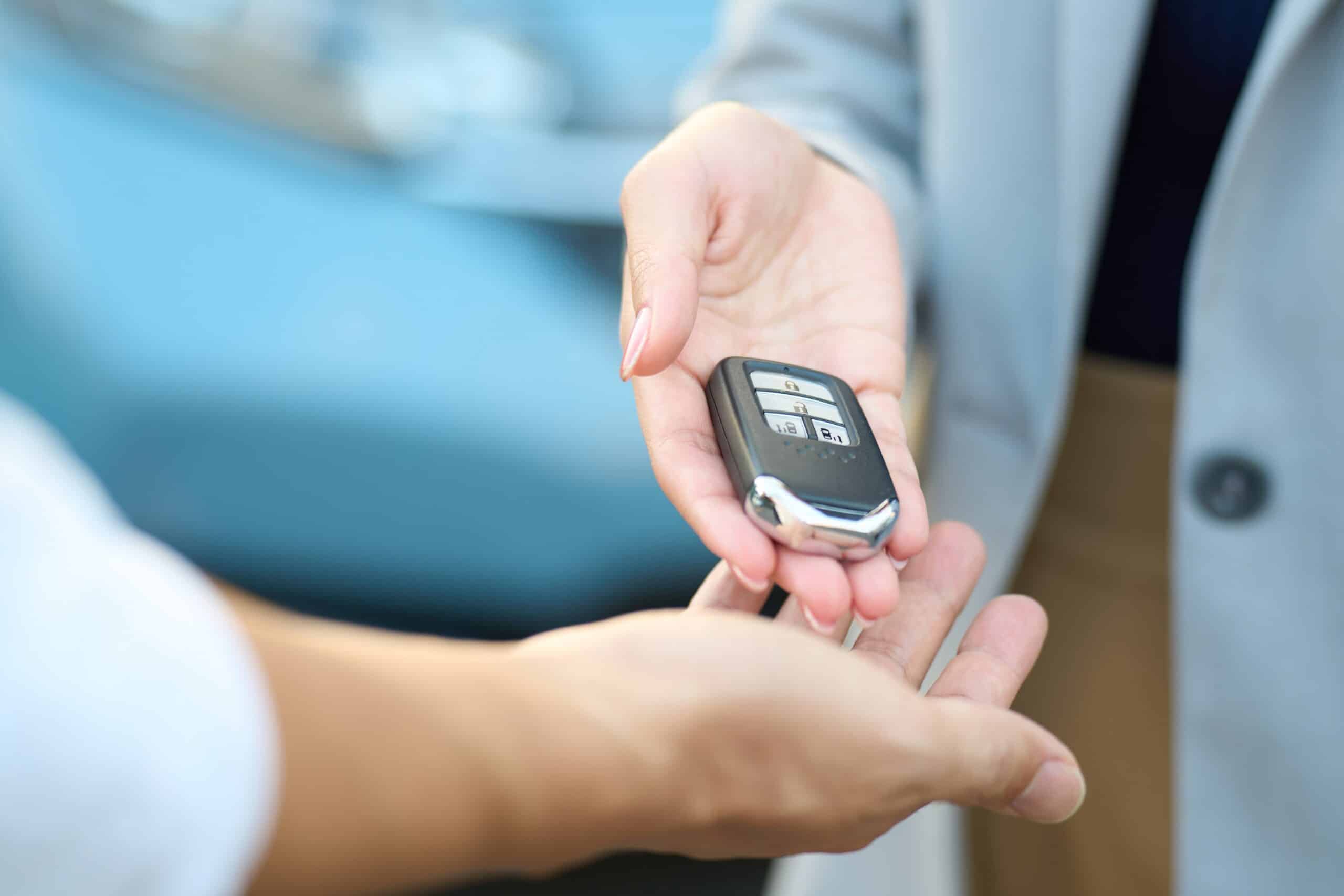
Who insures a courtesy car from a garage?
The garage insures their courtesy cars under their own business policy. You are covered as a temporary driver and do not need to contact your personal insurer.
What level of cover do garage courtesy cars have?
Most garages provide third-party cover only on their loaner vehicles. This means damage you cause to other people and their property is covered, but damage to the courtesy car itself may not be.
If the courtesy car is damaged while in your care, you may be personally liable for the repair cost. Ask the garage about their excess arrangements before you drive away.
What should you ask the garage?
Confirm three things: what insurance the vehicle has, whether you are liable for damage, and whether there is an excess you would need to pay. A reputable garage will answer without hesitation.
Who insures an employer-provided loaner vehicle?
Your employer insures loaner vehicles under their fleet or business car insurance policy. You are covered as a named or authorised driver, and your personal insurance is not involved.
Does the cover include personal use?
It depends on the employer’s policy. Some fleet policies cover business and personal use, while others restrict the loaner to work journeys only.
If you drive an employer loaner for personal errands and the policy only covers business use, you have no valid insurance for that journey. Check with your fleet manager before using the vehicle outside work.
What are the employer’s legal obligations?
Under the Health and Safety at Work Act 1974, employers must ensure any vehicle they provide for work is properly insured and roadworthy. If your employer cannot confirm the loaner is insured, do not drive it.
What cover do you get from your insurer’s courtesy car?
If your comprehensive policy includes courtesy car cover, your insurer provides a replacement vehicle while yours is being repaired after an approved claim. The courtesy car is insured under your policy at the same cover level.
How does insurer courtesy car cover differ from a garage loaner?
| Feature | Insurer courtesy car | Garage courtesy car | Employer loaner |
| Who provides it? | Your insurer after an approved claim | The garage repairing your car | Your employer’s fleet |
| Who insures it? | Your insurer (on your policy) | The garage (their business policy) | Your employer (fleet policy) |
| Cover level | Matches your policy (usually comp) | Usually third-party only | Usually comprehensive |
| Vehicle type | Small hatchback (Class A) | Basic runabout | Similar to your usual company car |
| Personal use allowed? | Yes | Yes | Check employer’s policy |
| Duration | Until your car is repaired | Until your car is repaired | Until your usual car returns |
| Excess if damaged? | Your policy excess applies | Varies, often you pay repairs | Check employer’s terms |
Is courtesy car cover included as standard?
Not always. Some insurers include it on comprehensive policies, while others offer it as a paid add-on.
Check your policy schedule for a courtesy car section before assuming you have this cover.
Does your personal car insurance ever cover a loaner?
No, your personal policy covers only the vehicle named on your certificate. It does not extend to any vehicle you are temporarily using, regardless of who owns it.
What about driving other cars cover?
DOC only applies to privately owned cars driven with the registered keeper’s permission. It does not cover courtesy cars, fleet vehicles, hire cars, or any commercially owned vehicle.
Even when DOC does apply, it provides third-party cover only. Damage to the vehicle you are driving is never covered under DOC.
Our guide to car insurance explains how cover level affects what you pay and what protection you receive.
What should you check before driving any loaner?
Confirm the vehicle is insured, understand what cover level applies, and check whether you are personally liable for damage before you turn the key.
What are the key questions to ask?
| Question | Why it matters |
| Is this vehicle insured? | Driving uninsured is a criminal offence with a £300 fixed penalty and six points |
| What cover level applies to me? | Third-party only means you pay for damage to the loaner yourself |
| Is there an excess? | Some providers charge £250-£500 excess if you damage the vehicle |
| Can I use it for personal journeys? | Fleet loaners may restrict cover to business use only |
| How long am I covered for? | Insurance may expire after a set number of days |
What if the provider cannot confirm insurance?
Do not drive the vehicle. Under UK law, driving without valid insurance is a criminal offence carrying a £300 fixed penalty, six penalty points, and potential vehicle seizure.
What happens if you damage a loaner car?
Report the incident to whoever provided the vehicle. Do not contact your personal insurer, because the loaner is not covered under your policy.
Does an accident in a loaner affect your no-claims discount?
No, the claim goes through the garage’s or employer’s insurance, not yours. Your personal no-claims discount is completely unaffected.
If the loaner was provided by your insurer as a courtesy car, the claim is already open on your policy. Your NCD may be affected depending on the outcome.
If you need short-term cover for a different vehicle while yours is off the road, temporary car insurance is an option worth considering.
Will you need to pay for the damage?
It depends on the provider’s terms. Garage courtesy cars often have no formal excess, but you may be asked to pay for repairs directly.
Employer fleet policies typically have a standard excess of £250 to £500. Check your employer’s policy before you start using the loaner.
Frequently Asked Questions (FAQs)
No, the garage insures their courtesy cars under their own business insurance. Your personal policy only covers the vehicle named on your certificate.
Possibly, because many garage courtesy car policies only provide third-party cover. This means damage to the loaner itself is not covered, so ask the garage about their terms before driving.
It depends on the employer’s fleet policy. Some cover business and personal use, while others restrict the loaner to work journeys only.
No. Using a loaner temporarily does not affect your personal car insurance and does not need to be reported to your insurer.
Not if the loaner was provided by a garage or employer, because the claim goes through their insurance. If it was your insurer’s courtesy car, the claim is on your policy and may affect your NCD.
Do not drive it, because using an uninsured vehicle is illegal and carries a £300 fixed penalty plus six penalty points.