
Does Modifying a Car Affect Insurance?


Yes, most car modifications increase your insurance premium. Performance changes like engine remapping or turbocharging can add 15-100% to your costs, while cosmetic changes typically add 5-15%.
Security upgrades like Thatcham-approved alarms are the exception and can sometimes reduce your premium.
You must declare every modification to your insurer, including changes made by a previous owner. Failing to declare a modification can void your policy and leave you personally liable for all costs.
The exact impact depends on the modification type, your age, and your insurer. Our guide to car insurance costs explains how insurers calculate premiums and where modifications fit into the picture.
Almost always, though not always upwards. Anything that adds power, changes handling or makes the car more attractive to thieves raises the price. Security upgrades can lower it.
The rule that matters is disclosure. Every change from factory specification is declarable, including ones you inherited when you bought the car, and an undeclared modification is grounds to void the policy.
Compare car insurance quotes with every modification declared.
- How much do modifications increase insurance?
- Which modifications increase your premium the most?
- Which modifications can reduce your premium?
- Do you have to declare every modification to your insurer?
- What happens if you do not declare modifications?
- How can you find affordable modified car insurance?
- Frequently asked questions (FAQs)
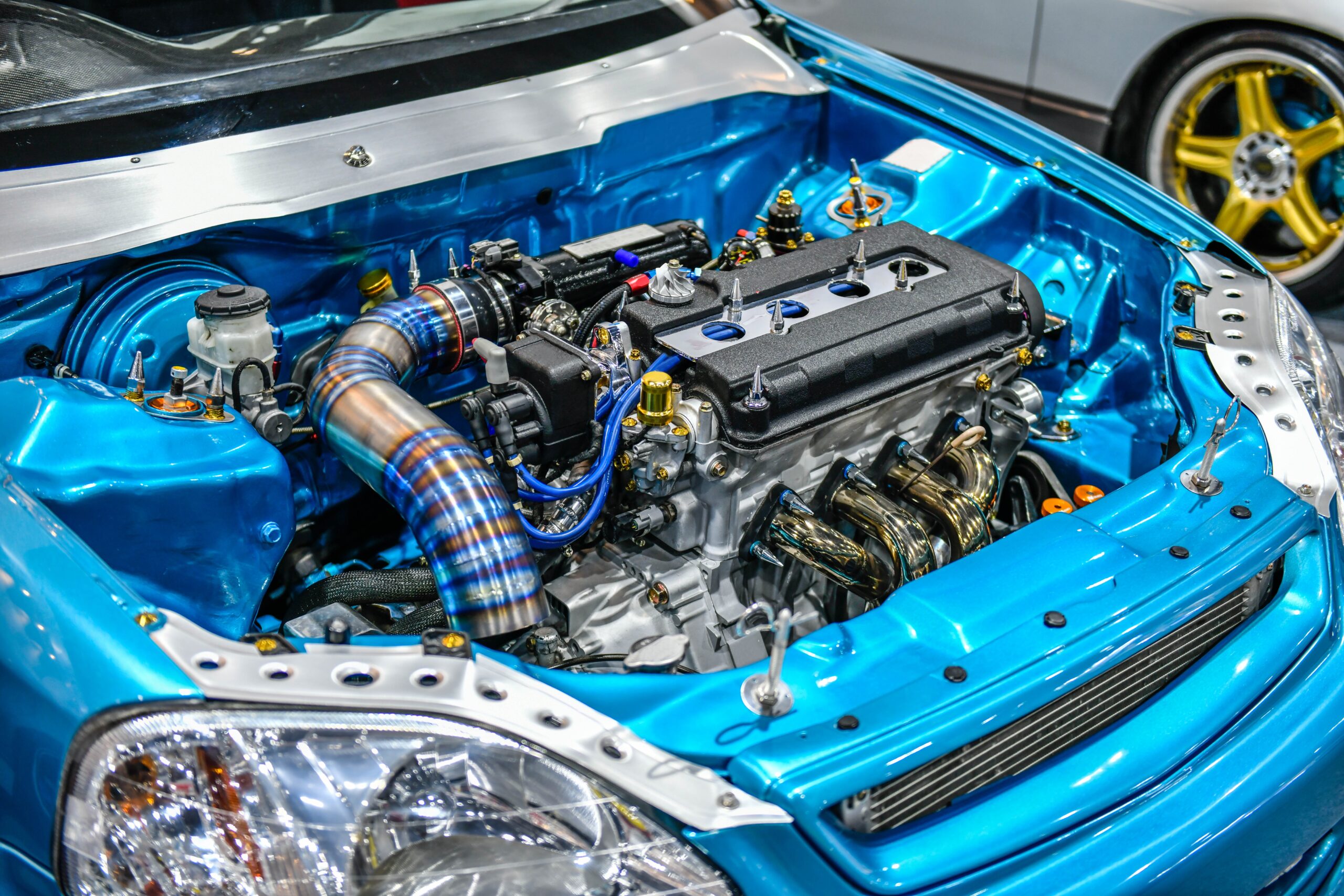
How much do modifications increase insurance?
Performance modifications have the largest impact, adding 15-100% to your premium. Cosmetic changes and alloy wheels cause smaller increases, while security upgrades can sometimes earn a discount.
What are the typical increases by modification type?
| Modification category | Examples | Typical premium increase |
| Performance (engine) | Remapping, turbocharging, nitrous oxide | 30-100% |
| Performance (exhaust) | Sports exhaust, decat, performance manifold | 15-30% |
| Suspension and body kit | Lowered springs, coilovers, body kit, exhaust tips | ~16% average |
| Spoiler and tinted windows | Rear spoiler, window tinting | ~12% average |
| Respray and brakes | Full respray, uprated brakes, side skirts | ~5% average |
| Alloy wheels | Aftermarket alloys, wheel trims, driving lights | Less than 1% |
| Security upgrades | Thatcham alarm, GPS tracker, dash cam | 0% to -10% |
Modified vehicles cost more to repair, because non-standard parts often have to be sourced specially. This repair cost increase is a key reason insurers charge more.
Which modifications increase your premium the most?
Engine modifications that increase power above factory specification have the largest impact. Any change that makes the car faster, louder, or more expensive to repair will raise your premium.
What about engine remapping and turbocharging?
Engine remapping changes the software that controls fuel injection, ignition timing, and boost pressure. It can add 20-50 horsepower, and insurers treat it as a high-risk modification with premium increases of 30% or more.
For young drivers already paying high premiums, some insurers refuse to cover engine modifications entirely. Check your policy wording before committing to any performance changes.
What about wheels and cosmetic changes?
Aftermarket alloy wheels increase premiums slightly because they are more expensive to replace and a common theft target. Upgrading from 16-inch to 19-inch alloys typically adds less than 1% to your premium.
Body kits, spoilers, and custom paint jobs add 5-15% because they increase repair costs. Non-standard parts may need specialist sourcing, and custom colours complicate paint-matching during repairs.
Which modifications can reduce your premium?
Security and safety upgrades can earn discounts of 5-10% because they reduce theft risk and make claims easier to process.
What security upgrades do insurers reward?
| Modification | How it helps | Typical impact |
| Thatcham-approved alarm | Industry-standard security that deters theft | 5-10% discount |
| GPS tracker | Helps recover stolen vehicles, reducing insurer losses | 5-10% discount |
| Dash cam | Provides evidence of fault in accidents, reducing fraud | 0-5% discount |
| Steering lock | Visible deterrent that reduces opportunistic theft | 0-5% discount |
| Immobiliser (aftermarket) | Prevents engine starting without correct key | 5-10% discount |
Even modifications that reduce your premium must be declared. Our tips to lower your premium cover broader strategies that work alongside security upgrades.
Do you have to declare every modification to your insurer?
Yes, under the Consumer Insurance (Disclosure and Representations) Act 2012 you have a legal duty to take reasonable care not to misrepresent your vehicle.
Any undeclared modification counts as misrepresentation, which gives your insurer grounds to void your policy or refuse a claim.
What about modifications made by a previous owner?
You must declare them. If you buy a car with aftermarket wheels, a remap, or a body kit already fitted, these are modifications on the vehicle regardless of who installed them.
When buying a used car, check for non-standard parts before arranging insurance. Look for aftermarket exhausts, lowered suspension, tinted windows, and non-factory alloys.
What counts as a modification?
Any change from the manufacturer’s original specification. This includes performance, cosmetic, and structural changes, but typically excludes minor accessories like phone mounts and seat covers.
What happens if you do not declare modifications?
Your insurer can void your policy, refuse a claim, and recover money already paid out. Under UK insurance law, driving with a voided policy is the same as driving uninsured.
How does non-disclosure affect future insurance?
A voided policy is recorded on the Claims and Underwriting Exchange (CUE) database. Future insurers will see this record, making you harder and more expensive to insure for years.
Even if the modification is unrelated to a claim, the insurer can still reject it. An undeclared remap does not cause a theft, but the insurer can refuse the theft claim because you misrepresented the vehicle.
Our guide to excess explains how claim costs work and why modified car policies often carry higher excesses.
How can you find affordable modified car insurance?
Specialist modified car insurers typically offer better rates than mainstream providers. When comparing car insurance quotes, specify every modification accurately so the quote reflects your actual vehicle.
What practical steps should you take?
Contact your insurer before fitting any modification to get a quote for the change. If the increase is too high, try specialist providers like Adrian Flux or Keith Michaels who focus on modified vehicles.
Keep professional fitting records and receipts. Insurers look more favourably on work done by recognised specialists than DIY modifications, and records help prove the work was done properly.
Frequently Asked Questions (FAQs)
Yes, any modification to the vehicle must be declared regardless of who made it. If you buy a car with aftermarket parts already fitted, tell your insurer when arranging cover.
Some insurers offer small discounts for dash cams because the footage helps prove fault in accidents. Not all insurers recognise them, so ask when comparing quotes.
Yes, specialist modified car insurers cover vehicles that mainstream providers refuse. Premiums will be higher than standard, but cover is available for almost any modification.
Generally no, because minor accessories that do not change the vehicle’s performance, appearance, or value do not need declaring. If in doubt, ask your insurer.
Try specialist modified car insurers who exist specifically for this purpose. Do not drive without valid cover while searching for a new policy.
Yes, notify your insurer when you return the car to standard specification. Your premium should reduce at the next renewal or through a mid-term adjustment.