
Does Where You Live Affect Car Insurance?


Yes, your postcode is one of the biggest factors in your car insurance premium. Insurers analyse theft rates, accident frequency, and claims history at postcode level, and two addresses a mile apart can produce very different quotes.
The gap between the cheapest and most expensive UK regions is over £800 per year for identical cover. Our breakdown of car insurance costs explains the full range of pricing factors, but location is consistently the one drivers have least control over.
This guide covers why your postcode matters, which areas pay the most, and what you can do to reduce the impact.
Heavily. Postcode is one of the biggest single inputs to the price, because it carries theft rates, accident frequency and claims costs for your area.
You cannot change the area, but you can change what sits inside it — where the car is kept overnight, what security is fitted, and whether a black box shows how you actually drive. Using an address you do not live at is fraud.
Compare car insurance quotes for your actual address.
- Why does your postcode affect your premium?
- Which UK regions are most and least expensive?
- How does your parking arrangement affect your premium?
- Can you use a different address to get cheaper insurance?
- How can you reduce the impact of a high-risk postcode?
- What should you do when you move house?
- Frequently asked questions (FAQs)
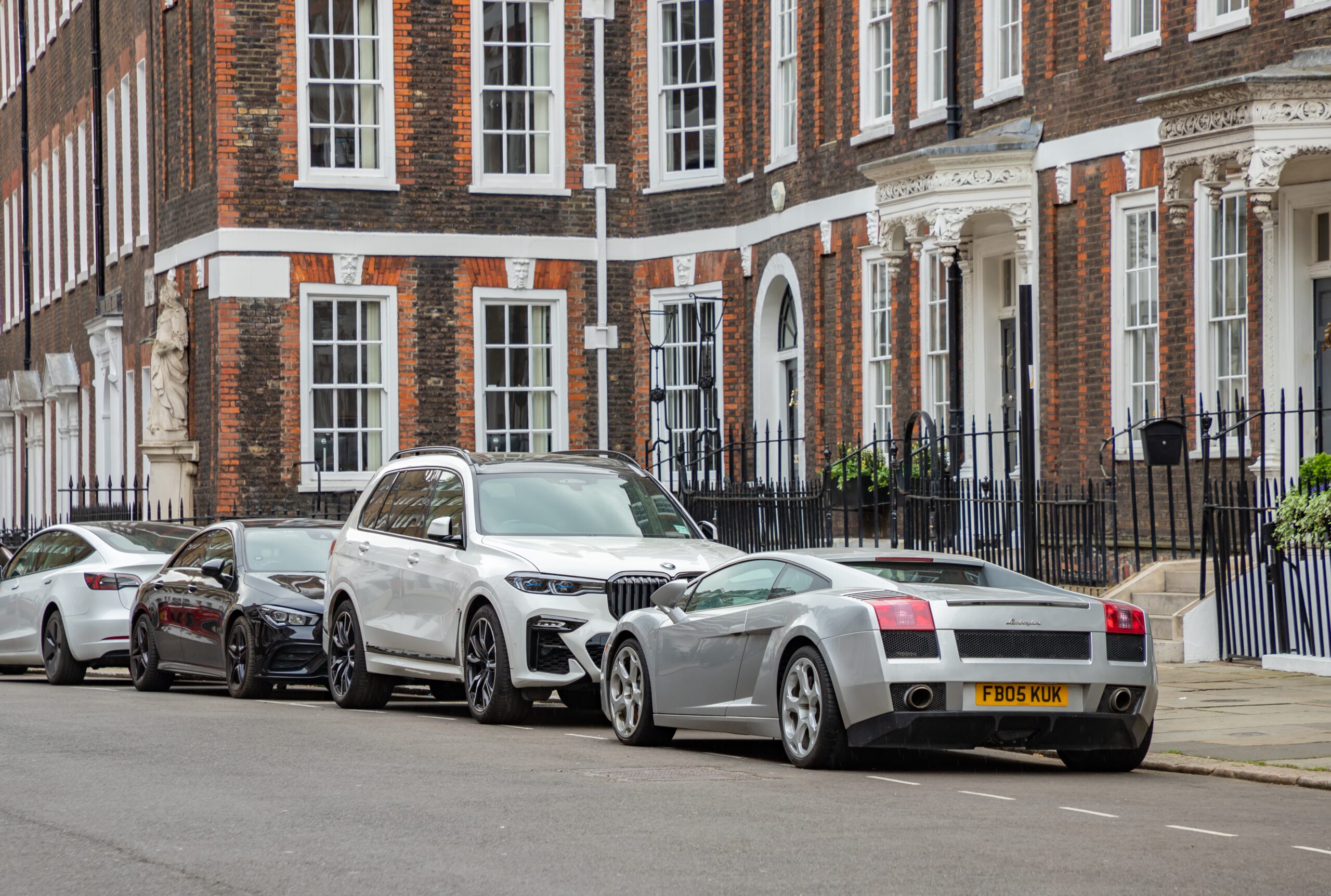
Why does your postcode affect your premium?
Insurers group postcodes by local risk data and price each group differently. Areas with higher vehicle crime, more road traffic collisions, and a history of expensive claims cost more to insure.
What risk factors do insurers measure?
The three main postcode risk factors are theft, accidents, and claims cost. ONS crime statistics consistently show vehicle theft concentrated in urban areas, which is a major reason inner-city premiums are so much higher.
Accident frequency follows a similar pattern. Dense urban traffic produces more collisions per mile driven than rural roads, and repair costs in cities tend to be higher due to labour rates and parts availability.
How do insurers group postcodes?
Each insurer uses its own postcode grouping system, typically dividing the UK into 50-300 risk bands. Two insurers can place the same postcode in different bands, which is why quotes vary so much between providers.
This is the main reason shopping around works. An insurer whose model rates your postcode favourably might charge hundreds less than one that places it in a higher band.
Which UK regions are most and least expensive?
London is the most expensive region by a wide margin, with average premiums roughly double those in the cheapest rural areas. The gap between regions has widened in recent years as urban claim costs have risen faster than rural ones.
How do average premiums compare by region?
| Region | Average annual premium | Compared to UK average |
| Inner London | £1,300-£1,400 | +85% above average |
| Outer London | £900-£1,050 | +30% above average |
| West Midlands | £750-£850 | +10% above average |
| Greater Manchester | £750-£850 | +10% above average |
| Merseyside | £800-£900 | +15% above average |
| South East England | £600-£700 | Near average |
| East Anglia | £500-£600 | 10-15% below average |
| South West England | £500-£580 | 15-20% below average |
| Scotland (rural) | £450-£550 | 20-25% below average |
| Wales (rural) | £430-£530 | 25-30% below average |
These figures are indicative ranges, not quotes. Your actual quote depends on your age, vehicle, driving history, and dozens of other rating factors alongside your postcode.
How does your parking arrangement affect your premium?
Where you park overnight matters almost as much as your postcode. Secure parking reduces theft and accidental damage risk, which directly lowers your premium.
What is the typical saving by parking type?
| Parking type | Typical premium impact | Why |
| Locked garage | 10-15% reduction | Lowest theft and weather damage risk |
| Driveway | 5-10% reduction | Off-street but not fully enclosed |
| Residents’ car park | Neutral to small reduction | Shared but typically gated or CCTV monitored |
| On-street (residential) | No reduction (baseline) | Standard risk level used as the default |
| On-street (high-risk area) | Premium loaded | Highest theft and vandalism exposure |
If you have access to a garage or driveway, always declare it. The saving is largest in high-risk postcodes where theft is a major pricing factor.
For young drivers already paying high premiums, parking off-street at a parent’s home can cut hundreds from an annual quote.
Can you use a different address to get cheaper insurance?
No, you must insure your car at the address where it is normally kept overnight. Using a different postcode is fraud, and UK insurance law treats any material misrepresentation as grounds to void your policy.
What happens if you are caught?
Your insurer can refuse every claim and cancel your policy. The cancellation is recorded on the CUE database, which every UK insurer checks when quoting.
A cancelled policy for misrepresentation makes future insurance much harder to find and more expensive. The short-term saving from a false address is never worth the long-term cost.
What if you split time between two addresses?
If you genuinely split your time between two homes, insure the car at the address where it spends the most nights. If it changes, update your insurer immediately to avoid any dispute over your declared address.
How can you reduce the impact of a high-risk postcode?
You cannot change your postcode, but you can control other rating factors. Our tips to lower your premium cover the full range, but several are particularly effective at offsetting postcode loading.
Which strategies work best in high-risk areas?
Fit a Thatcham-approved alarm and tracker. In postcodes where theft drives the premium, visible security devices can earn meaningful discounts because they directly address the risk the insurer is pricing in.
Consider a black box policy if you drive safely. Telematics insurance rewards low-risk driving behaviour and can reduce the postcode loading because the insurer has real data about how and when you actually drive.
Build your no-claims bonus. Five claim-free years can earn a discount of up to 60%, which offsets a large portion of any postcode loading.
Add an experienced named driver to the policy. A low-risk additional driver can reduce the overall policy cost, particularly for younger drivers in high-premium postcodes.
What should you do when you move house?
Contact your insurer as soon as you move. Your premium will be recalculated based on the new postcode, and you may receive a refund or face an additional charge depending on whether the new area is lower or higher risk.
Will there be an admin fee?
Most insurers charge an admin fee of £15-£30 for a mid-term address change. If the new postcode results in a lower premium, the refund usually offsets the fee.
If your renewal is approaching, it may be cheaper to wait and quote fresh. When comparing car insurance at renewal, your new address is automatically factored into every quote.
Do you need to update your driving licence too?
Yes, you must tell the DVLA as soon as you move. Your car insurance policy depends on your licence details matching your insurer’s records.
Frequently Asked Questions (FAQs)
Insurers use years of claims data broken down by postcode. Areas with more theft, accidents, and expensive claims carry higher statistical risk, which directly increases premiums for everyone living there.
Rural postcodes in Devon, Cornwall, Wales, and the Scottish Highlands are typically the cheapest. Low traffic density and low vehicle crime rates keep premiums well below the national average.
No, you must insure at the address where the car is normally kept overnight. Using a false address is fraud and will void your policy if discovered, leaving you uninsured and recorded on the CUE database.
Yes, secure garage parking can reduce premiums by 10-15% compared to on-street parking in the same postcode. The saving is largest in high-risk urban areas where theft is a major pricing factor.
Immediately, update your address as soon as you move so your policy remains valid. Your premium will be recalculated based on the new postcode, and most insurers charge a small admin fee for the change.
They help but will not fully offset it. Thatcham-approved alarms and trackers can earn discounts in the 5-10% range, but your postcode remains one of the largest factors in the overall premium calculation.