
Does Wrapping a Car Affect Insurance?


Yes, a car wrap is classified as a modification and must be declared to your insurer. The premium impact is usually modest, with most colour-change wraps adding 5-15% or £25-£75 per year.
The type of wrap matters. A full colour-change wrap carries a different insurance impact from clear paint protection film, and partial wraps that leave the car’s main colour unchanged are treated differently again.
You must notify your insurer before having any wrap applied. Our guide to car insurance costs explains how modifications fit into the wider pricing calculation.
Yes. A wrap is a modification, and a full colour change also has to go to the DVLA so your V5C matches the car.
The premium effect is usually modest for a plain colour change and larger for anything that makes the car conspicuous. Declare it to both your insurer and the DVLA, and keep the receipt — the wrap itself is rarely covered unless you specify it.
Compare car insurance quotes with the wrap declared.
- How does each wrap type affect your insurance?
- Why do insurers treat wrapping as a modification?
- Do you need to notify the DVLA about a wrap?
- What happens if you do not declare a wrap?
- What if your insurer refuses to cover a wrapped car?
- How can you keep costs down with a wrapped car?
- Frequently asked questions (FAQs)
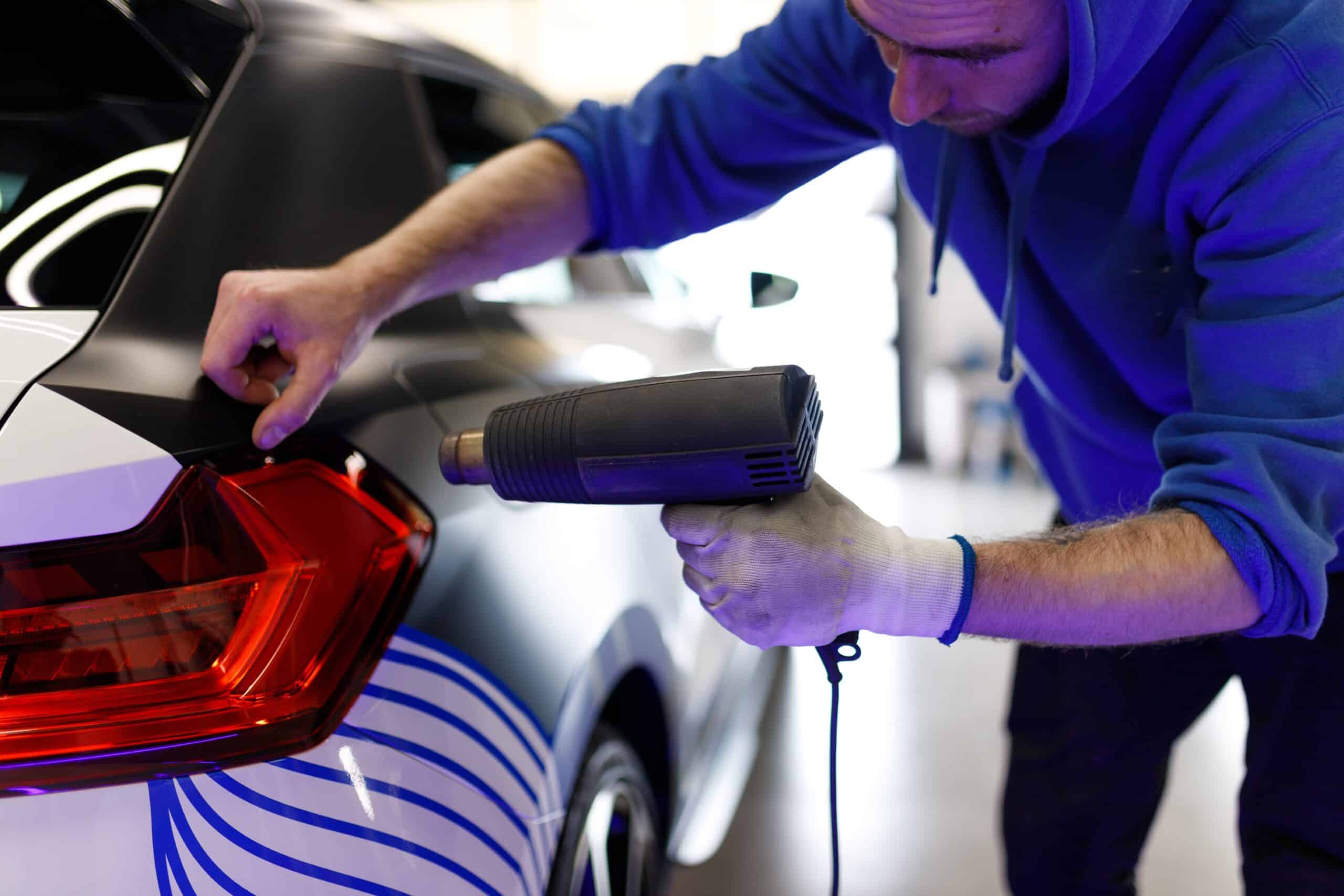
How does each wrap type affect your insurance?
Insurers distinguish between wrap types based on how much they change the vehicle’s appearance and repair cost. The table below shows the typical impact for each.
What is the insurance impact by wrap type?
| Wrap type | Insurance impact | DVLA notification? | Typical cost |
| Clear paint protection film (PPF) | Minimal or none | No (colour unchanged) | £500-£2,000 |
| Partial wrap (roof, mirrors, accents) | Minimal (5% or less) | No (if primary colour unchanged) | £200-£800 |
| Full gloss colour change | 5-15% increase or £25-£75/year | Yes (V5C update required) | £1,500-£3,500 |
| Full matte or satin finish | 5-15% increase | Yes | £1,800-£4,000 |
| Chrome or mirror finish | 10-20% increase | Yes | £3,000-£6,000+ |
| Custom graphic or branded design | 10-20% increase | Yes (if colour changes) | £2,000-£5,000 |
Why does PPF rarely affect premiums?
Clear PPF does not change the car’s appearance. It protects the original paintwork from stone chips, scratches, and UV damage, which some insurers view positively because it preserves the vehicle’s resale value.
You should still declare PPF to your insurer, but most treat it as a cosmetic addition with no premium consequence.
Why do insurers treat wrapping as a modification?
A wrap changes the vehicle from its manufacturer specification. Even though it is temporary and removable, any alteration to the factory appearance is classified as a modification under insurance terms.
What concerns do insurers have?
Repair cost is the main concern. If a wrapped panel is damaged in an accident, the repair involves removing the wrap, fixing the panel, and re-wrapping it.
This adds £200-£500 to a typical repair bill, which the insurer factors into the pricing model.
Distinctive wraps can also attract attention, which some insurers view as a minor theft risk. Our guide to excess explains how claim costs work when repairs involve non-standard materials.
Do you need to notify the DVLA about a wrap?
Only if the wrap changes your car’s primary colour. Under the Vehicle Excise and Registration Act 1994, you must update your V5C registration certificate when your vehicle’s colour changes.
How do you update the V5C?
You can update your V5C online through the DVLA website or by post. The service is free, and the updated certificate typically arrives within two to four weeks.
If you later remove the wrap and return to the original colour, you need to notify the DVLA again. A partial wrap that does not change the car’s primary colour does not require DVLA notification.
What happens if you do not declare a wrap?
Your insurer can refuse a claim and void your policy for non-disclosure. Under UK insurance law, any undeclared modification counts as misrepresentation, regardless of whether the wrap contributed to the accident.
Is it worth the risk?
The premium increase for a typical wrap is £25-£75 per year. A voided policy and CUE database record would cost you thousands in higher premiums for years afterwards.
For young drivers who already pay high premiums, an undeclared modification that voids a policy would be particularly damaging to future quote costs.
What if your insurer refuses to cover a wrapped car?
Specialist modified car insurers understand wraps and typically offer cover at reasonable rates. Some mainstream insurers charge excessive premiums or decline cover for wrapped vehicles, making specialists the better option.
What should you look for in a specialist policy?
Wrap replacement cover is the key feature. Standard policies often exclude the cost of re-wrapping a panel after a repair, which can add £500-£1,500 to a claim.
Agreed value policies are also worth considering. They set the insured amount to include the wrap’s value, so you are not underinsured if the car is written off.
When comparing car insurance quotes, ask specifically whether wrap replacement is included and whether the agreed value reflects the wrap cost.
How can you keep costs down with a wrapped car?
Choose a professional installer and keep all receipts. Our tips to lower your premium cover general strategies, but several apply directly to wrapped vehicles.
What practical steps reduce the premium impact?
Get quotes before committing to the wrap. Run a quote with and without the modification declared to see the exact cost difference.
If the increase is excessive, try a specialist insurer before deciding against the wrap.
Opt for PPF or a subtle colour rather than chrome or graphic designs. Conservative wraps attract lower premiums because they pose less theft risk and cost less to repair.
A fully comp policy is the most common choice for wrapped cars because it covers repair costs including the wrap.
Frequently Asked Questions (FAQs)
Yes, all wraps including clear PPF are modifications that must be declared. Failing to declare could void your policy if you make a claim, even if the wrap had nothing to do with the accident.
Typically 5-15% for a colour-change wrap, or £25-£75 per year. Clear PPF rarely affects premiums at all, and some insurers charge nothing for any wrap type.
Technically yes, but most insurers view it favourably because it protects the original paintwork. Declare it when arranging cover, but expect no premium increase in most cases.
Only if the wrap changes your car’s primary colour, in which case you update your V5C online through the DVLA website for free. Partial wraps that leave the main colour unchanged do not require notification.
Standard policies often exclude wrap replacement costs. Ask your insurer specifically, or consider a specialist modified car policy that includes wrap replacement cover.
Yes, notify your insurer when you remove the wrap and your premium should return to the pre-wrap level. Also update the DVLA if the colour has changed back to the original.