
How To Tax A Car In The UK


You can tax a car online at gov.uk in under five minutes using your V5C logbook or V11 renewal reminder, a valid MOT certificate, and active car insurance.
Vehicle Excise Duty (VED), commonly called car tax or road tax, is a legal requirement for almost every vehicle driven or kept on public roads in the UK. The DVLA uses Automatic Number Plate Recognition cameras to catch untaxed vehicles, and fines start at £80.
You also need valid car insurance before you can tax a vehicle, as the DVLA checks your insurance status during the application.
This guide covers every step of the process, from checking your current tax status to understanding the costs, exemptions, and penalties.
You can tax a car online at gov.uk in under five minutes, but you need three things in place first: your V5C logbook or V11 reminder, a valid MOT, and active car insurance. Tax doesn’t transfer when a car is sold, so there’s no grace period: the new owner must tax it before driving it away or ANPR cameras will flag it automatically.
- What is car tax and why do you need it?
- How do you check if your car is taxed?
- How do you tax a car in the UK?
- How do you tax a car without a V5C logbook?
- How much does car tax cost?
- How do you tax a car when buying or selling?
- Who is exempt from paying car tax?
- What happens if you don’t tax your car?
- How do you cancel car tax and get a refund?
- Frequently asked questions (FAQs)
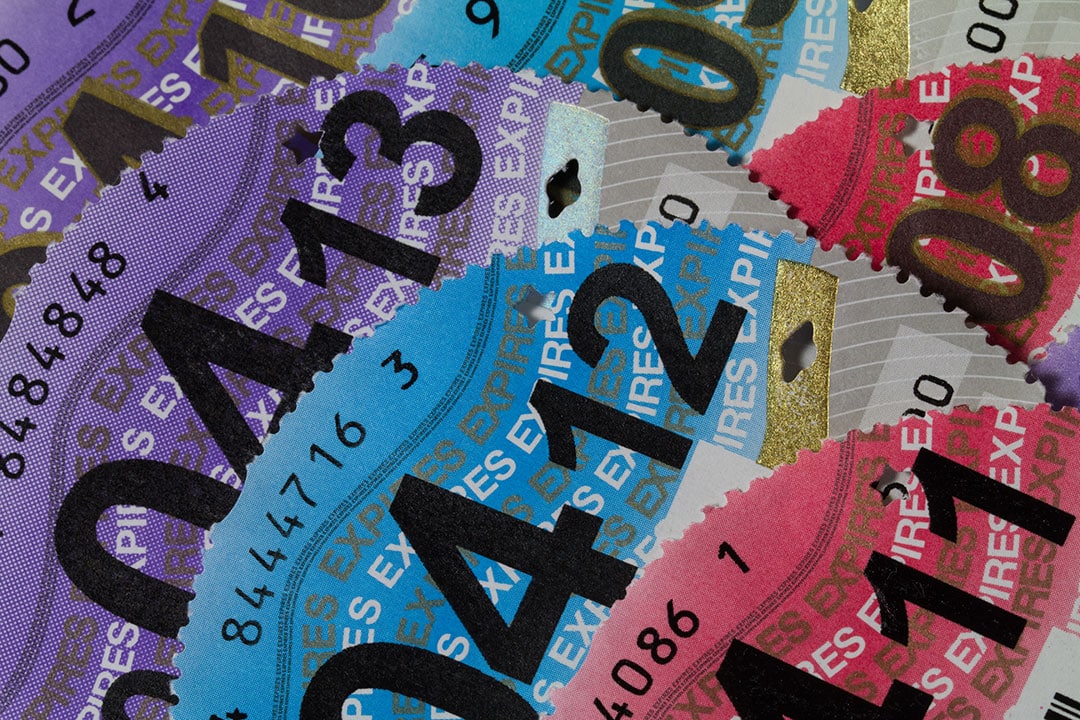
What is car tax and why do you need it?
Car tax is a duty paid to the DVLA that gives you legal permission to use or keep a vehicle on public roads. It is governed by the Vehicle Excise and Registration Act 1994 and applies to cars, vans, motorbikes, and most other road vehicles.
What happens if your car is not taxed or SORN?
If your vehicle is not taxed and not declared SORN (Statutory Off Road Notification), the DVLA can issue an automatic £80 fine. Ignore that fine and it rises to £1,000 at court.
Untaxed vehicles parked on public roads can also be clamped, towed, or crushed. The DVLA does not need to pull you over; ANPR cameras flag untaxed vehicles automatically.
Is car tax the same as car insurance?
No, car tax and car insurance are separate legal requirements. You need both to drive legally, but they cover different things.
Tax funds road infrastructure, while insurance covers damage and injury costs. You cannot tax a vehicle without active insurance in place.
Related: Can you drive with insurance but no tax?
How do you check if your car is taxed?
Use the DVLA’s free online vehicle tax checker at gov.uk. Enter your registration number and the result shows your tax status, expiry date, and SORN history.
What documents show your tax status?
Your V5C logbook lists the vehicle’s tax class, and your V11 renewal reminder confirms when tax is due. If you are buying a used car, always check the tax status online before completing the purchase.
Why should you check before buying a used car?
Car tax does not transfer between owners. Even if the seller had months of tax remaining, it is cancelled when the DVLA processes the ownership change.
The previous owner gets a refund for full unused months. You must tax the car yourself before driving it away.
How do you tax a car in the UK?
The fastest way is online at the DVLA vehicle tax service on gov.uk. You can also tax by phone on 0300 123 4321 or in person at a Post Office that handles vehicle tax.
What documents do you need?
- V5C logbook (vehicle registration certificate) or V11 tax renewal reminderValid MOT certificate if your vehicle is over three years oldActive car insurance policy (the DVLA checks this automatically)
How to tax online
Visit gov.uk/vehicle-tax and enter the 11-digit reference number from your V5C or the 16-digit reference from your V11. Pay by debit card, credit card, or Direct Debit.
Your tax updates instantly and you can drive straight away. You will receive email confirmation but no physical tax disc; the system is fully electronic.
How to tax by phone or at a Post Office
Call the DVLA on 0300 123 4321 with your reference number and a debit or credit card. Processing takes a few minutes and your tax is active immediately.
At a Post Office, bring your V5C or V11, your MOT certificate, and pay by card, cash, or cheque. This is the only option if you need a disability exemption processed.
| Method | What you need | Processing time |
| Online (gov.uk) | V5C or V11 + MOT + insurance | Instant |
| Phone (0300 123 4321) | V5C or V11 + card payment | Instant |
| Post Office | V5C or V11 + MOT + payment | Same day |
How do you tax a car without a V5C logbook?
If you have a V11 renewal reminder, use the 16-digit reference number to tax online or by phone as normal. No V5C is needed if you have a valid V11.
What if you have no V5C and no V11?
Visit a Post Office that handles vehicle tax and complete a V62 application form. You will pay a £25 fee for the replacement logbook, plus the tax itself.
The tax is processed on the spot, so you can drive legally straight away. The replacement V5C arrives by post within four to six weeks.
Read our guide on how to replace lost car documents for the full process, including what to do if your V5C was stolen.
Can you tax a car you have just bought without a V5C?
If the seller gave you the green V5C/2 new keeper slip, use the 12-digit reference number on it to tax online. If you have neither a V5C nor V5C/2, you must visit a Post Office with the V62 form.
How much does car tax cost?
The amount depends on when your car was first registered, its CO2 emissions, and its fuel type. From April 2025, electric vehicles lost their tax exemption and most cars pay a flat £190 standard rate from year two onwards.
Cars registered on or after 1 April 2017
First-year tax is based on CO2 emissions, ranging from £10 for zero-emission vehicles up to £5,490 for the highest emitters. From year two, a flat standard rate applies.
Full rates are published on the gov.uk VED rates page. The table below shows the key bands.
| CO2 emissions (g/km) | First-year rate | Standard rate (year 2+) |
| 0 (electric) | £10 | £190 |
| 1-50 | £10 | £190 |
| 51-75 | £30 | £190 |
| 76-90 | £135 | £190 |
| 91-100 | £175 | £190 |
| 101-110 | £195 | £190 |
| 111-130 | £220 | £190 |
| 131-150 | £255 | £190 |
| 151-170 | £680 | £190 |
| 171-190 | £1,095 | £190 |
| 191-225 | £1,650 | £190 |
| 226-255 | £2,340 | £190 |
| Over 255 | £5,490 | £190 |
Cars registered before 1 April 2017
Older cars are taxed on CO2 emission bands (bands A to M). Rates range from £0 for band A vehicles to £710 for the highest-emitting band M.
Cars registered before 1 March 2001 are taxed on engine size instead. Engines up to 1,549cc pay £200 per year; larger engines pay £325.
What is the expensive car supplement?
Cars with a list price over £40,000 pay an extra £410 per year for the first five years of standard-rate tax. This applies from year two and now includes electric vehicles that previously qualified for the £10 discount on the supplement.
Can you pay monthly?
Yes, via Direct Debit. You can pay annually, every six months, or monthly.
The six-month and monthly options carry a 5% surcharge compared to paying for the full year upfront. Annual payment is the cheapest option.
Related: How much does car insurance cost in the UK?
How do you tax a car when buying or selling?
Car tax does not transfer between owners. If you buy a car, you must tax it before you drive it away, even if the previous owner’s tax was still valid.
Buying from a dealer
Most dealers do not include road tax in the sale price. Get the V5C logbook or the green V5C/2 new keeper slip and tax the car online before leaving the forecourt.
Make sure the car has a valid MOT and active insurance before you tax it. If you need short-term cover to drive it home, temporary car insurance can provide same-day protection.
Buying from a private seller
The seller should complete the V5C transfer and notify the DVLA. Use the V5C/2 slip they give you to tax the car online, by phone, or at a Post Office.
If the seller has no V5C, apply for a new one using the V62 form at a Post Office. Do not drive the car home untaxed; ANPR cameras will flag it.
Selling your car
Notify the DVLA as soon as you sell the car. You will get an automatic refund for any full unused months of tax.
Read our full guide on how to cancel car tax and get a refund for the step-by-step process.
Who is exempt from paying car tax?
Some vehicles qualify for free road tax, but you must still register them with the DVLA. Even a tax-exempt vehicle needs to be taxed at the £0 rate or declared SORN.
Historic vehicles (over 40 years old)
Cars first registered more than 40 years ago qualify for free tax under the historic vehicle exemption. Eligibility is based on the registration date, not the year of manufacture.
If you own a classic car, you may also want specialist classic car insurance that covers agreed values rather than market value.
Disability exemptions
You may qualify for free car tax if you receive the higher rate mobility component of PIP or DLA, the War Pensioners’ Mobility Supplement, or Armed Forces Independence Payment.
The vehicle must be registered in the disabled person’s name or used solely for their benefit. Apply at a Post Office with proof of your qualifying benefit.
Other exempt vehicles
Agricultural vehicles, mowing machines used only for cutting grass, electric mobility scooters, and powered wheelchairs are all exempt from VED.
What happens if you don’t tax your car?
The DVLA issues an automatic £80 late licensing penalty if your tax expires. Ignore the fine and it can rise to £1,000 at court, plus your vehicle may be clamped or seized.
Fines and enforcement action
| Enforcement action | Cost or penalty |
| Late licensing penalty | £80 (rising to £1,000 at court) |
| Clamp release fee | £100 (within 24 hours) |
| Impound release fee | £200 + £21 per day storage |
| Vehicle unclaimed after 14 days | Crushed or auctioned |
| Continuous Insurance Enforcement fine | £100 (up to £1,000 at court) |
Can your car be clamped if it is parked at home?
If your car is parked on a public road without tax or SORN, the DVLA can clamp it. Cars on private driveways are generally safe, but must still be declared SORN if untaxed.
If your car is seized, you will need impounded car insurance plus proof of tax and a valid MOT to get it released.
How do you avoid penalties?
Set up a Direct Debit so your tax renews automatically. If the car is off the road, declare it SORN to avoid fines.
Check your MOT status at the same time. An expired MOT also triggers penalties and means your insurance may not cover you.
Related: Can you drive with insurance but no tax in the UK?
How do you cancel car tax and get a refund?
Notify the DVLA when you sell, scrap, export, or take a vehicle off the road. Refunds are issued automatically for any full unused months of tax by cheque within about six weeks.
When can you cancel?
- You sell or transfer ownership of the vehicleYou declare the vehicle SORN (off the road)The vehicle is scrapped at an Authorised Treatment FacilityYou export the vehicle from the UK
How does the refund work?
Refunds only cover complete unused months, not partial months. If you sell your car on the 15th, you lose the rest of that month’s tax.
For the full step-by-step process, read our dedicated guide on how to cancel your car tax and get a refund.
Related: Can you tax a car without an MOT?
Frequently asked questions (FAQs)
No, the DVLA checks your insurance status when you apply for tax. You must have active car insurance before you can tax a vehicle.
Only if your car is exempt, such as vehicles under three years old or historic vehicles. Otherwise, a valid MOT is required; read our guide on taxing a car without an MOT for details.
No, tax is cancelled when the DVLA processes the ownership change. The seller gets a refund for full unused months and the buyer must tax the car before driving it.
There is no grace period. You must tax the car before driving it on public roads, even if you are driving it home from the dealer or seller.
Yes, via Direct Debit. Monthly and six-monthly payments carry a 5% surcharge compared to paying for the full year upfront.
SORN is a Statutory Off Road Notification you must declare if your vehicle is kept off the road and not taxed. It is free to declare and lasts until you tax or sell the vehicle.
The DVLA issues an automatic £80 penalty. If unpaid, this can increase to £1,000 at court, and your vehicle may be clamped or seized.
Pay a £100 release fee within 24 hours and provide proof of tax and insurance. If the car is towed, expect a £200 release fee plus £21 daily storage; you may need impounded car insurance to reclaim it.