Electrician Insurance
Public Liability Insurance Quotes for Electricians
Compare electrician insurance quotes from trusted UK insurers and protect your electrical business against claims for injury or property damage.






Compare insurance quotes from UK’s leading electrician insurers including:






























What Is Public Liability Insurance For Electricians?
Public liability insurance for electricians covers claims made by third parties for injury or property damage caused by your work. It applies if a customer, contractor or member of the public suffers loss as a result of your electrical activities.
For example, this could include accidental damage while installing wiring, drilling into hidden pipework during a rewire, or an injury caused by tools or equipment left on-site. If a claim is made against you, public liability insurance helps cover legal fees and compensation costs.
The policy limit you choose determines the maximum amount your insurer will pay for a single claim.

Do Electricians Need Public Liability Insurance In The UK?
Public liability insurance isn’t legally required for electricians in the UK, but in practice it is often essential.
Most domestic clients, commercial contractors and local authorities will expect you to have cover in place before work begins.
Even routine electrical jobs carry risk. A client could trip over equipment on-site, or accidental damage during an installation could result in a costly claim.
Without insurance, you would be personally responsible for legal fees and compensation.
Typical cover levels electricians choose
- £2 million – Common for domestic and smaller residential work.
- £5 million – Frequently required for commercial projects.
- £10 million – Often specified for larger sites or local authority contracts.
The right level of cover depends on the size of the projects you take on and the contracts you accept.
What Does Public Liability Insurance Cover Electricians For?
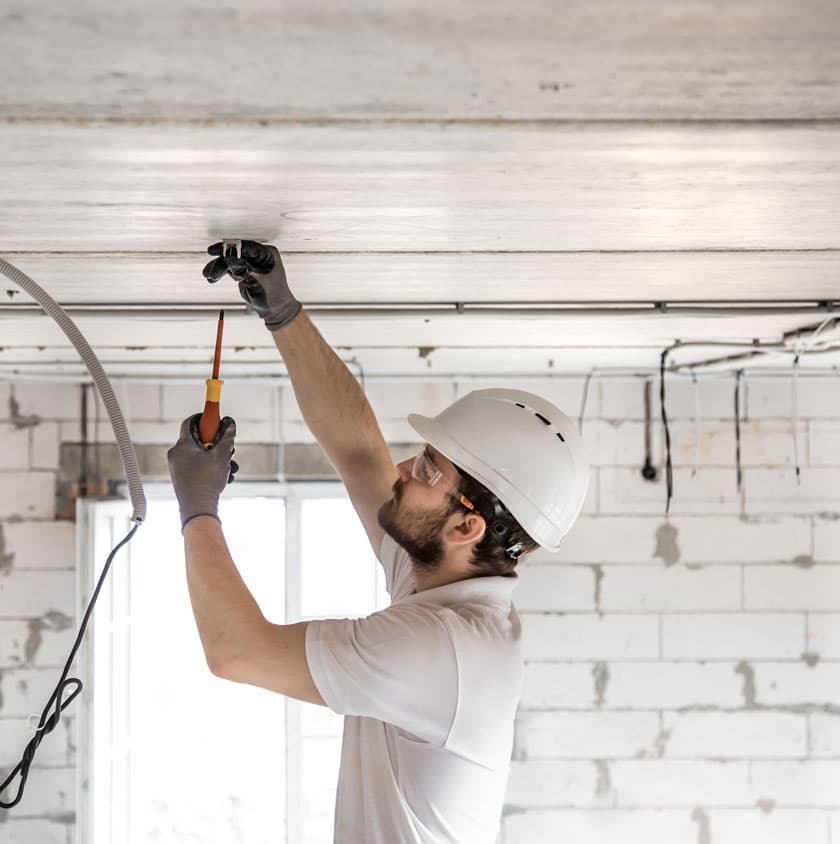
Public liability insurance protects you if your electrical work causes injury to someone else or damages their property. It applies whether you’re working in homes, businesses or on larger commercial sites.
Injury to third parties
If a customer or member of the public is injured because of your work, tools or equipment, your policy can cover legal fees and compensation.
Damage to property
Accidental damage to flooring, walls, fixtures or installations while carrying out electrical work can be covered.
Fire or fault-related damage
If an installation fault leads to smoke or fire damage and a claim is made against you, public liability insurance can help cover the costs.
Legal defence costs
If a claim is made, your policy can cover solicitor fees, court costs and investigation expenses.
What Other Insurance Do Electricians Need?
Public liability insurance is usually the foundation of cover for electricians, but it isn’t always enough on its own. Depending on how you operate, you may need additional protection to cover your tools, employees or specialist work.
Tools and equipment insurance
Electricians rely on expensive tools and testing equipment. Tools cover protects against theft, loss or damage, whether your equipment is stored in a van, at home or on-site.
Employer’s liability insurance
If you employ staff or hire apprentices, employer’s liability insurance is a legal requirement in most cases. It protects you if an employee is injured or becomes ill as a result of their work.
Professional indemnity insurance
If you provide design advice, electrical drawings or consultancy services, professional indemnity insurance can protect you if a client claims financial loss due to an error or oversight.
Contract works cover
For larger projects, contract works insurance can protect materials and ongoing work from damage before a job is completed and signed off.

How Much Does Electrician Insurance Cost?
For most self-employed electricians carrying out domestic work, public liability insurance typically costs between £8 and £20 per month.
If you take on commercial contracts, employ staff or need higher cover limits, premiums are usually higher.
The exact price depends on:
- The level of public liability cover you choose
- Your annual turnover
- The type of electrical work you undertake
- Whether you employ staff or subcontractors
- Your claims history
Higher cover limits and larger projects increase the potential risk to insurers, which is reflected in the cost.
The only way to get an accurate price is to compare quotes based on your specific business and the work you carry out.

What Level of Public Liability Cover Do Electricians Choose?
The level of cover you choose is the maximum amount your insurer will pay if a claim is made against you. Most electricians select their limit based on the type of work they carry out and the contractual requirements of their clients.
£2 Million Cover
Common for electricians carrying out domestic and smaller residential work where there are no strict contractual requirements.
£5 Million Cover
Often expected for commercial projects and work carried out for building contractors or property developers.
£10 Million Cover
Typically required for large commercial sites, local authority contracts or higher-risk projects.
If you regularly take on larger contracts or higher-value work, choosing a higher limit provides greater financial protection.

What’s Not Covered by Electrician Insurance?
Public liability insurance covers accidental injury and property damage, but it doesn’t protect against every type of loss. Like all insurance policies, there are exclusions you should be aware of.
Common exclusions can include:
- Faulty workmanship – If your work needs to be redone because it was carried out incorrectly, the cost of fixing it is usually not covered.
- Deliberate or reckless damage – Claims arising from intentional acts are excluded.
- Damage to your own tools or equipment – This normally requires separate tools insurance.
- Employee injuries – Covered under employer’s liability insurance, not public liability.
- Work outside your declared activities – If you carry out work not disclosed to your insurer, claims may be declined.
Always check your policy wording carefully so you understand what is and isn’t included before starting work.

Do Sole Traders Need Electrician Insurance?
If you work as a sole trader, you are personally responsible for any claims made against your business.
Public liability insurance protects you if your work causes injury or property damage, even when you operate under your own name.
While employer’s liability insurance is only required if you hire staff, many sole traders still choose additional protection such as tools cover or professional indemnity depending on the type of electrical work they carry out.
The level of cover you need depends on the size of the projects you take on and the contractual requirements involved, not simply whether you work alone.

Does Electrician Insurance Cover Subcontractors or Apprentices?
Whether subcontractors or apprentices are covered depends on how your policy is arranged and how those individuals work within your business.
If you employ apprentices or hire staff directly, employer’s liability insurance is usually required by law. This covers claims if an employee is injured or becomes ill as a result of their work.
Subcontractors are treated differently. Some policies can include bona fide subcontractors under your public liability cover, while others require subcontractors to hold their own insurance. Insurers will normally assess how subcontractors operate and whether they work under your supervision.
If subcontractors are not declared when arranging cover, claims may be refused. Always check your policy wording to confirm who is covered and under what conditions.
How To Get Cheaper Electrician Insurance
Keeping costs down doesn’t mean choosing the lowest possible cover. The key is making sure you’re only paying for the protection your business actually needs.
A few ways electricians can manage the cost of insurance include:
Choose the right cover limit
Avoid paying for £10 million of cover if your contracts only require £2 million.
Bundle policies where possible
Combining public liability with tools or employer’s liability cover can sometimes reduce overall cost.
Maintain a clean claims record
Fewer claims can help keep premiums lower over time.
Review your cover annually
If your turnover or type of work changes, your insurance should reflect that.
Comparing quotes from multiple insurers helps ensure you’re not overpaying for the same level of protection.
Why Compare Electrician Insurance Quotes with SimplyQuote?
Comparing quotes allows you to see how cover levels and pricing vary between insurers based on the type of electrical work you carry out.
SimplyQuote works in partnership with Quotezone, a leading UK insurance comparison platform, to provide access to a panel of tradesman insurance providers. You enter your details once and receive quotes tailored to your business, whether you work on domestic jobs, commercial contracts or both.
This makes it easier to review different levels of public liability cover, additional protections such as tools or employer’s liability, and monthly or annual payment options, all in one place.
Comparing quotes helps ensure you’re paying for the right level of protection without overpaying for cover you don’t need.


Frequently Asked Questions
Public liability insurance is not legally required for electricians in the UK. However, many clients, contractors and commercial sites will require proof of cover before allowing you to start work. Employer’s liability insurance is legally required if you employ staff.
In many cases, cover can be arranged the same day once your details are submitted and payment is made. Policy documents are usually issued electronically.
Public liability insurance typically covers injury or property damage caused by your work, but it does not usually cover the cost of correcting faulty workmanship itself. You would need to redo the work at your own expense.
Many insurers offer both monthly and annual payment options. Paying annually can sometimes reduce the overall cost compared to monthly instalments.
Even small domestic jobs carry risk. If accidental damage or injury occurs, you could be personally liable for compensation. Many electricians choose public liability cover regardless of job size.
Public liability insurance does not usually cover theft or damage to your tools. Separate tools insurance is normally required for that type of protection.
