
Do Electric Cars Cost More To Insure?


Yes, electric cars generally cost 10 to 25% more to insure than equivalent petrol or diesel vehicles, though the gap is narrowing as more insurers enter the EV market and repair networks expand.
The higher premiums reflect expensive battery packs, a shortage of qualified EV repair technicians, and larger average claim costs. But the difference varies hugely depending on the model you drive and the insurer you choose.
Below we break down the real cost difference, explain what’s driving it, and show you how to get cheaper electric car insurance quotes.
Electric cars cost around 10 to 25% more to insure than equivalent petrol models, mainly due to expensive battery packs and a shortage of qualified repair technicians. The gap is narrowing as more insurers enter the market.
Compare electric car insurance quotes to find the best deal for your model.
- How much more does electric car insurance cost?
- Why do electric cars cost more to insure?
- Which electric cars are cheapest to insure?
- Is the insurance gap between EVs and petrol cars closing?
- How can you reduce electric car insurance costs?
- Do you need fully comp cover for an electric car?
- Frequently asked questions (FAQs)
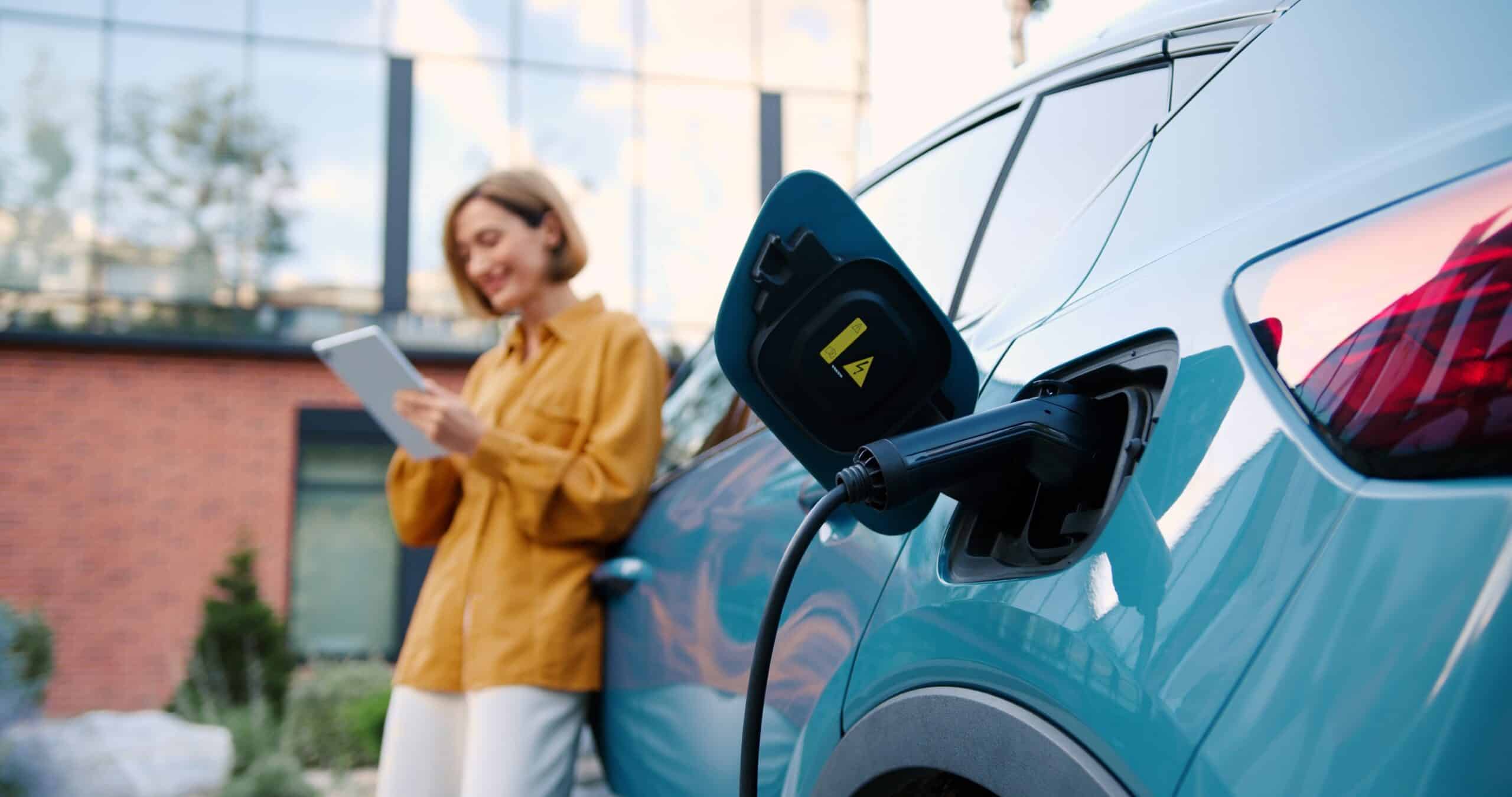
How much more does electric car insurance cost?
On average, insuring an electric car costs around 10 to 25% more than an equivalent petrol model, though smaller EVs like the Nissan Leaf and MG4 sit much closer to petrol pricing.
Average premiums by model
| Model | Insurance group | Typical annual premium |
| Nissan Leaf | Groups 23-28 | £500-£700 |
| MG4 | Groups 27-33 | £550-£750 |
| Volkswagen ID.3 | Groups 18-29 | £500-£750 |
| Tesla Model 3 | Groups 48-50 | £900-£1,400 |
| BMW iX | Groups 47-50 | £1,000-£1,500+ |
These figures are for drivers with a few years of no-claims discount. A brand-new driver would pay considerably more regardless of whether the car is electric or petrol.
Why the range is so wide
The gap between the cheapest and most expensive EV to insure is much wider than for petrol cars. That’s because insurance groups reflect repair costs and component prices, both of which vary dramatically across the EV market.
Why do electric cars cost more to insure?
Three factors push EV insurance premiums above petrol equivalents: expensive battery packs, a shortage of qualified technicians, and higher average claim costs.
Battery replacement costs
The battery is the single most expensive component in an electric car, typically costing £5,000 to £15,000 to replace. For premium models like the BMW iX, it can be considerably more.
Even a relatively minor underside impact can make it impossible to confirm the battery is safe. Insurers sometimes write off the entire vehicle rather than risk a compromised pack, which turns a moderate accident into a total loss claim.
Specialist repair requirements
EVs require technicians certified to work on high-voltage systems. Thatcham Research sets the repair standards, and not all bodyshops have the training or equipment to handle EV work safely.
This limits the number of available repair facilities and increases labour costs. Longer repair times also mean higher courtesy car charges, adding to the overall claim bill.
Higher average claim costs
According to the Association of British Insurers, claims on electric vehicles cost more on average than equivalent petrol claims. The combination of expensive parts, specialist labour, and more frequent write-offs all contribute.
Which electric cars are cheapest to insure?
Smaller, lower-powered EVs in insurance groups 18 to 30 attract the most affordable premiums. The Volkswagen ID.3, Nissan Leaf, and MG4 are consistently among the cheapest electric cars to insure.
How insurance groups work for EVs
Every car is assigned an insurance group from 1 (cheapest) to 50 (most expensive) by the Group Rating Panel, which is run jointly by the ABI and Thatcham Research. The group reflects the car’s value, repair costs, performance, and security features.
For EVs, repair costs carry extra weight because of battery and high-voltage component pricing. That’s why a Tesla Model 3 sits in Groups 48-50 while a Nissan Leaf starts at Group 23.
Choosing the right model
If insurance cost is a priority, check the insurance group before buying. A car in Group 20 could cost £200 to £300 less per year to insure than one in Group 35, all else being equal.
Is the insurance gap between EVs and petrol cars closing?
Yes. Some models that once attracted premiums 30 to 40% above petrol equivalents are now only 10 to 25% more expensive, and the trend is continuing.
What’s driving the change
More technicians are gaining EV certification every year, which is reducing specialist labour costs. Insurers now have several years of EV claims data, so they’re building less uncertainty margin into premiums.
Battery technology is also improving and production costs are falling. As replacement batteries get cheaper, one of the biggest drivers of high EV insurance costs becomes less of a factor.
More insurers entering the market
Competition matters. As more insurers offer dedicated EV products, prices are being pushed down.
This is why comparing car insurance quotes is especially important for EV owners, as the range between the cheapest and most expensive quote can be wider than for petrol cars.
How can you reduce electric car insurance costs?
The same strategies that reduce petrol car insurance also work for EVs, with a few extra options specific to electric vehicles.
Compare quotes from multiple insurers
Premium differences between insurers are often larger for EVs than for petrol cars. Some providers have embraced the EV market and price competitively, while others remain cautious and charge more.
Choose a lower insurance group model
If you haven’t bought the car yet, insurance group should be a factor in your decision. The difference between a Group 18 and a Group 35 car can be £300 or more per year.
Park securely
A locked garage or private driveway can reduce your premium, and this matters more for higher-value EVs. Having a home charger also means the car is more likely to be parked at home overnight, which some insurers view positively.
Increase your voluntary excess
A higher voluntary excess reduces your premium because you’re covering more of the cost yourself if you claim. Moving from £250 to £500 can make a noticeable difference.
Build your no-claims discount
Each claim-free year adds to your discount, which can reach 60 to 70% after five years. Check your renewal date so you don’t accidentally let a policy lapse and lose your discount.
Consider black box insurance
A black box policy tracks your driving and rewards safe behaviour with lower premiums. EV drivers who mainly do short urban trips often score well on telematics.
Do you need fully comp cover for an electric car?
It’s strongly recommended. Electric cars have high-value components, and a damaged battery alone can cost more than the excess on most policies.
Why fully comp often makes sense
Fully comp protects against theft, fire, and accidental damage to your own vehicle. For EVs, where even a moderate impact can trigger a write-off, third-party, fire and theft cover may not be enough.
In the UK, fully comp is also often cheaper than third-party only because insurers associate third-party policies with higher-risk drivers. Always compare both options.
What about VED changes?
From April 2025, all electric vehicles are subject to Vehicle Excise Duty after the previous full exemption was removed. Factor this into your overall running costs alongside insurance.
Frequently asked questions (FAQs)
On average, 10 to 25% more than an equivalent petrol car. Smaller EVs like the Nissan Leaf sit closer to petrol pricing, while premium models like the Tesla Model 3 can cost 30 to 50% more.
Some insurers may view it positively because it means the car is more likely to be parked at home overnight. There’s no standard industry discount, but it’s worth mentioning when you get quotes.
The gap is narrowing and may become negligible for mainstream models within a few years. Premium EVs are likely to remain more expensive to insure due to higher component costs.
Yes, Teslas typically sit in insurance Groups 48 to 50. The Model 3 is the most affordable Tesla to insure, while the Model X and Model S attract some of the highest EV premiums in the UK.
Lower mileage generally means lower premiums for any vehicle. If you use an EV as a low-mileage second car, declare this accurately as it could reduce your premium.
It’s risky, because EVs have expensive components that are costly to repair or replace. Fully comp cover is strongly recommended and is often cheaper than third-party only anyway.
Used EVs can be cheaper to insure because their lower market value reduces the maximum payout for the insurer. A three-year-old Nissan Leaf will typically cost less to insure than a brand-new one.