Plasterer Insurance
Compare Plasterer Insurance Quotes
Cover for self-employed plasterers and plastering firms.

Partnered with Quotezone
We’re partnered with Quotezone. As an Introducer Appointed Representative of Seopa Ltd (FCA FRN: 313860), we receive a commission if you purchase insurance products via SimplyQuote.co.uk.
We do not provide advice or make recommendations. Your choice of provider is entirely your own.





Compare insurance quotes from UK’s leading plasterer insurers including:






























What Is Plasterer Insurance?
Plasterer insurance is a package of cover that protects plasterers against injury claims, property damage, tool theft, and legal costs arising from their work.
Most plasterers buy a combined policy bundling public liability and tools cover at a minimum. If you employ anyone, you also need employers’ liability insurance by law.
Plastering sits within the broader tradesman insurance category. Even a small domestic job carries risk, from spilling bonding compound on a carpet to cracking a door frame while boarding.
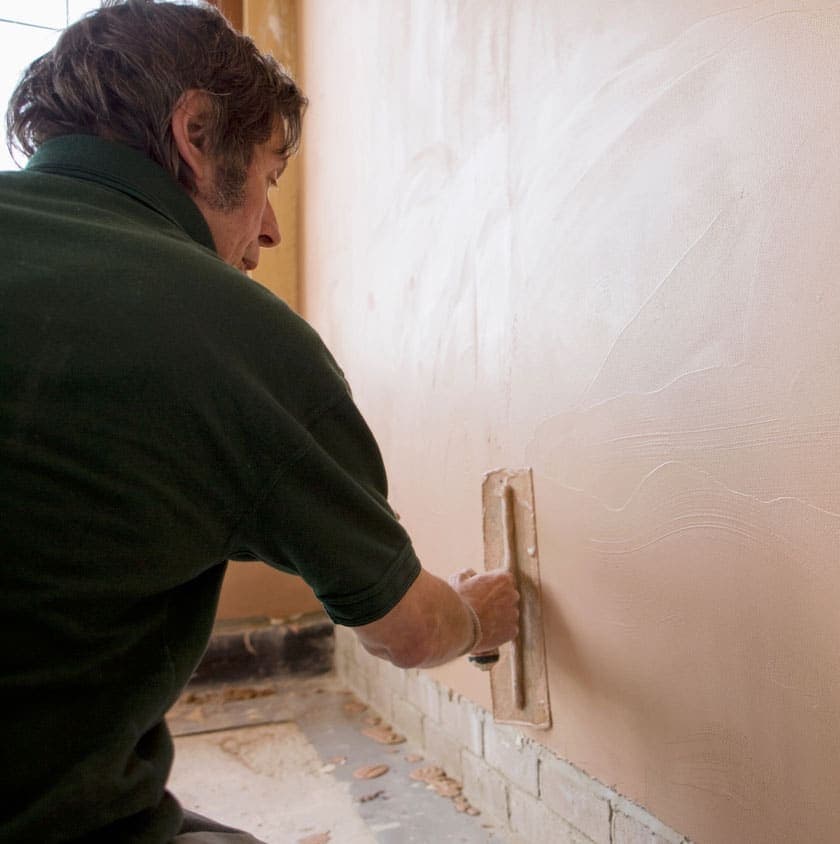
How To Compare Plasterer Insurance Quotes
You can compare plasterer insurance quotes from trusted UK insurers online in under five minutes.
Enter your trade and business details.
Share your trade type, annual turnover, number of employees, and the cover levels you need. The form takes around two minutes.
Compare quotes side by side.
We show you prices from multiple FCA-authorised UK insurers on one screen. Each quote shows what is covered, the excess, and the annual premium.
Check policy details before you buy.
Look beyond the headline price. Check the excess, claims process, and whether the policy covers your specific plastering activities like rendering or dry lining.
Buy online and get covered.
Once you have chosen, complete your application directly with the insurer. Some policies start the same day.
What Does Plasterer Insurance Cover?
A plasterer insurance policy typically combines several covers into one package, with public liability and tools cover forming the core for most plasterers.
Public liability insurance
Public liability insurance pays compensation and legal costs if a member of the public is injured or their property is damaged because of your work. Most plasterers choose between £1 million and £5 million of cover.
If you damage a customer’s flooring with spilled plaster or knock a light fitting while boarding a ceiling, your PLI covers the repair costs and any legal fees.
Employers’ liability insurance
Employers’ liability insurance covers claims from employees who are injured or become ill because of their work. It is a legal requirement if you employ anyone, including apprentices and labour-only subcontractors.
The Employers’ Liability (Compulsory Insurance) Act 1969 sets the minimum at £5 million, but most policies offer £10 million as standard.
Tools and equipment cover
Tools cover replaces or repairs your plastering equipment if it is stolen, lost, or damaged. This includes trowels, mixers, hawk boards, and laser levels whether in your van, on site, or at home.
Check whether your policy covers tools left in an unattended vehicle overnight. Some insurers exclude this without approved van security.
Personal accident insurance
Personal accident cover pays out if you are injured and cannot work. For self-employed plasterers with no sick pay, this cover replaces lost income while you recover.
Plastering involves repetitive overhead work that puts strain on shoulders and wrists. A muscle tear or fracture could keep you off work for weeks.
Legal expenses cover
Legal expenses cover helps pay for solicitors and court costs if you face a dispute, tax investigation, or employment tribunal. Typical policy limits range from £50,000 to £250,000.
| Cover type | What it protects | Typical limit | Required? |
| Public liability | Third-party injury or property damage | £1M to £10M | No, but often contractually required |
| Employers’ liability | Employee injury or illness | £5M to £10M | Yes, if you employ anyone |
| Tools & equipment | Theft, loss, or damage to tools | £1,500 to £10,000 | No |
| Personal accident | Lost income from injury | Weekly/lump sum | No |
| Legal expenses | Disputes, tax investigations | Up to £100K | No |
Compare Plasterer Insurance
Compare plasterer insurance quotes from UK insurers in minutes.
What Is Not Covered By Plasterer Insurance?
No plasterer insurance policy covers everything, so understanding the exclusions before you buy prevents surprises when you need to claim.
Faulty workmanship
If a customer is unhappy with the finish or the plaster cracks because the mix was wrong, that is a quality issue. Public liability covers accidental damage, not the cost of redoing poor work.
Tools left unsecured
If your plastering kit is stolen from an unlocked van or left unattended on site, most insurers will reject the claim. Approved locks and secure storage are usually a policy condition.
Read your policy wording carefully. Some insurers require specific lock types or alarm systems before they will pay out on a tools claim.
Work outside your declared trade
If your policy covers plastering but you take on tiling, painting, or joinery work without telling your insurer, those activities fall outside your cover.
Always update your insurer when your scope of work changes. Taking on undeclared activities could void your entire policy.
Gradual wear and deterioration
Damage that develops slowly over time is not covered. Trowels and mixers that break down through normal use are a maintenance cost, not an insurable event.
Undeclared subcontractors
If you bring in help but have not added them to your policy, any claims involving them could be rejected. Labour-only subcontractors are typically treated as employees by insurers.
Who Needs Plasterer Insurance?
Any plasterer working on UK sites needs insurance, whether you are a self-employed sole trader, a limited company, or a subcontractor working under a main contractor.
Self-employed plasterers
Self-employed plasterers typically need public liability and tools cover at a minimum. Even without employees, you are personally liable if someone is injured or their property is damaged by your work.
Most sole traders choose £1 million or £2 million of public liability for domestic work. Commercial contracts usually require £5 million.
Plasterers with employees
If you employ anyone, employers’ liability insurance is a legal requirement under the government’s guidance. Failing to comply carries a fine of up to £2,500 for each day without cover.
Labour-only subcontractors
If you work under a main contractor’s direction and use their tools, you may be classified as labour-only. The contractor should have employers’ liability covering you, but carrying your own public liability gives you an extra safety net.
Plasterers on commercial sites
Large construction projects and commercial sites almost always require proof of insurance before you are allowed on site. Most main contractors ask for at least £5 million of public liability.
| Business type | Public liability | Employers’ liability | Tools cover |
| Self-employed (domestic) | £1M to £2M | Not required | Recommended |
| Self-employed (commercial) | £5M minimum | Not required | Recommended |
| Small firm (1–4 employees) | £5M minimum | Legal requirement | Yes |
| Subcontractor on site | £5M minimum | Depends on status | Recommended |
How Much Does Plasterer Insurance Cost?
Most plasterers pay between £100 and £400 per year for a combined insurance package, depending on their work type, turnover, team size, and claims history.
| Cover type | Typical annual cost | Notes |
| Public liability (£1M) | £80–£180 | Sole traders doing domestic work |
| Public liability (£2M) | £80–£180 | Standard for most domestic contracts |
| Public liability (£5M) | £120–£300 | Required for commercial work |
| Employers’ liability (£10M) | £80–£200 | Depends on employee count |
| Tools cover (£3K) | £40–£90 | Higher for power tools and mixers |
| Personal accident | £50–£120 | Weekly benefit varies |
| Combined package | £100–£400 | Bundling saves 10 to 20% |
See our guide to public liability insurance costs for a wider breakdown of pricing across different trades and cover levels.
A self-employed plasterer doing domestic skimming with £2 million PLI and £3,000 tools cover might pay around £150 per year. A firm with three employees and £5 million PLI could pay closer to £400.
What affects your premium
Your trade activities are the biggest factor. Plasterers who stick to internal skimming pay less than those doing external rendering or working alongside scaffolders at height.
Your claims history, team size, and postcode also factor in. The HSE classifies construction as a high-risk industry, which affects base rates for all building trades.
Cost by work type
| Work type | Risk level | Typical combined premium |
| Internal skimming only | Low | £100–£200 |
| Dry lining and boarding | Low-medium | £120–£250 |
| External rendering | Medium | £150–£350 |
| New-build site work | Medium-high | £200–£400 |
| Mixed (domestic + commercial) | Medium-high | £180–£400 |
Plasterers who take on larger projects alongside builders or bricklayers on site typically face higher premiums because of the increased liability exposure.
How To Save Money On Plasterer Insurance
You can reduce the cost of plasterer insurance by comparing quotes, bundling covers, and keeping a clean claims record.
Bundle your covers
Buying public liability, tools cover, and personal accident as a combined package typically saves 10 to 20% compared to buying each one separately. Most insurers offer a discount for bundling.
Choose the right cover level
If most of your work is domestic, £1 million or £2 million of public liability is usually enough. Paying for £5 million when you do not need it adds unnecessary cost.
Secure your tools properly
Fitting approved locks on your van and using lockboxes on site can qualify you for lower premiums. Insurers reward plasterers who reduce theft risk.
Increase your voluntary excess
Raising your excess from £100 to £250 can cut your premium by 5 to 10%. Only do this if you can comfortably cover the excess from cash flow.
Keep a clean claims history
Five years without a claim can reduce your premium by 10 to 15%. Avoid making small claims where the premium increase would outweigh the payout.
Compare at every renewal
Loyalty rarely pays with insurance. Comparing quotes each year takes five minutes and can save you 10 to 20% on your renewal premium.
A £150 van safe could prevent a £2,000 tools claim and keep your premium down at renewal.
Compare Plasterer Insurance
Compare plasterer insurance quotes from UK insurers in minutes.

Frequently Asked Questions
Employers’ liability insurance is a legal requirement if you employ anyone, including apprentices and labour-only subcontractors. Public liability is not legally required, but most clients and main contractors demand proof of cover before letting you on site.
Most plasterers need £1 million or £2 million for domestic work. If you take on commercial contracts or work on larger construction sites, £5 million is usually the minimum requirement.
Yes, as long as you declare rendering as one of your trade activities when you set up your policy. External rendering often carries a slightly higher premium than internal skimming because of the height and weather risks involved.
It depends on how your insurer classifies them. Labour-only subcontractors who use your tools and work under your direction are usually treated as employees, and you need employers’ liability to cover them.
Yes, part-time plasterers can get insurance. Your premium is based on your turnover and the work you do, so working fewer hours usually means a lower cost.
Public liability covers injury claims from height-related accidents, but your insurer expects you to follow safe working practices. Declare any regular height work when you set up your policy.
Public liability covers third-party injury and property damage caused by your plastering work. It pays for legal fees and compensation whether the claim is from a homeowner, a passer-by, or another contractor on site.
You can compare quotes and buy a policy online in under ten minutes. Some insurers offer same-day cover, while others start from a date you choose.
You need to tell your insurer about any additional trade activities. If you take on work outside your declared trade without updating your policy, any claims from that work could be rejected.
Yes, public liability covers accidental damage to a customer’s property caused by your work. If you spill plaster on a carpet or crack a door frame while boarding, your policy covers the repair costs.
The fine is up to £2,500 for each day you trade without cover if you employ anyone. Inspectors from HMRC and the HSE can check your certificate at any time.
Public Liability Insurance Guides