
Does Drink Driving Affect Insurance?


Yes, a drink driving conviction typically doubles your car insurance premium and can increase it by three to five times for serious offences. Many mainstream insurers refuse to quote altogether, leaving you reliant on specialist convicted driver providers.
A DR10 endorsement (the code for driving with excess alcohol) stays on your DVLA licence for 11 years, and most insurers ask about it for at least five. During this period, your options are limited and expensive.
SimplyQuote offers convicted driver insurance specifically for drivers with drink driving convictions, motoring offences, and other endorsements.
Severely, and for years. A DR10 sits on your licence for 11 years, most insurers ask about it for at least five, and many mainstream ones simply decline you during that window.
Specialist convicted-driver brokers are where cover actually is, and the loading falls as the conviction ages. Never leave it undeclared — it will surface at the claims stage, when the policy is worth nothing to you.
Compare convicted driver insurance from specialist providers.
- How much does a drink driving conviction increase your insurance?
- How long does a drink driving conviction affect your insurance?
- What are the legal penalties for drink driving?
- Can you get car insurance with a drink driving conviction?
- How can you reduce your premium after a conviction?
- What happens if you do not declare a drink driving conviction?
- Frequently asked questions (FAQs)
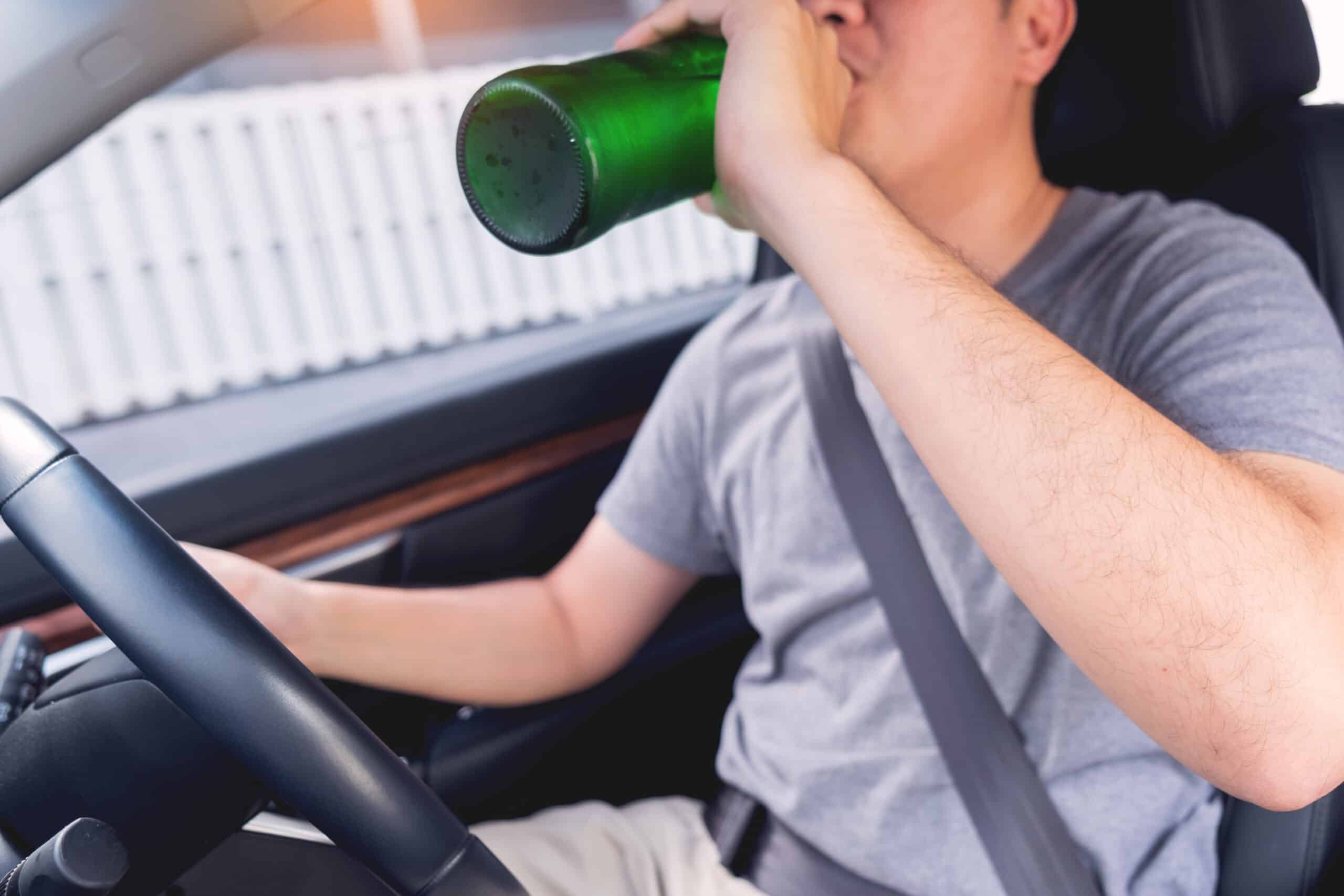
How much does a drink driving conviction increase your insurance?
Most convicted drivers pay between £800 and £3,000 per year, compared to £400 to £500 for a clean licence holder. The exact increase depends on the severity of your reading, your age, vehicle type, and whether you have any previous convictions.
What is the typical cost by conviction type?
| Conviction code | Offence | Typical premium range | Premium increase vs clean licence |
| DR10 | Driving with excess alcohol | £800-£1,500/year | 100-200% |
| DR20 | Driving while unfit through drink | £1,000-£2,000/year | 150-300% |
| DR30 | Driving then failing to provide a specimen | £1,200-£2,500/year | 200-400% |
| DR40 | In charge of vehicle with excess alcohol | £700-£1,200/year | 75-150% |
| DR50 | In charge while unfit through drink | £800-£1,500/year | 100-200% |
| DR80 | Causing death by careless driving with alcohol | £2,500-£5,000+/year | 500%+ |
The DVLA endorsement codes determine how insurers classify your conviction. DR10 is the most common code, but DR30 (refusing to provide a specimen) often carries a higher insurance loading because insurers assume a high reading was being concealed.
Does your breath reading level matter?
Yes, insurers distinguish between a borderline reading just over the legal limit and a reading two or three times above it. A reading of 40 micrograms (the legal limit is 35 in England and Wales) carries a lower loading than a reading of 80 or above.
Some specialist insurers ask for the specific reading as part of the quote process. Providing this accurately allows them to price the risk more precisely, which can result in a lower premium than a blanket convicted driver loading.
How long does a drink driving conviction affect your insurance?
You must declare the conviction for five years from the date of conviction, not the date of the offence. After five years, it becomes spent under the Rehabilitation of Offenders Act 1974 and most insurers no longer require disclosure.
What is the timeline for premium recovery?
| Time since conviction | What happens | Typical premium impact |
| 0-2 years | Full convicted driver loading applies | 100-300% above clean licence |
| 2-3 years | Some reduction if no further offences | 75-200% above clean licence |
| 3-5 years | More insurers willing to quote as conviction ages | 50-100% above clean licence |
| 5 years | Conviction becomes spent — no longer declared to most insurers | Near-normal premiums return |
| 5-11 years | Still on DVLA licence but not declared unless specifically asked | Minimal to no impact |
If an insurer specifically asks about unspent and spent convictions, you must answer honestly. However, most standard application forms only ask about unspent convictions within the last five years.
Does the conviction ever fully disappear?
The endorsement is removed from your DVLA licence after 11 years. The criminal record remains indefinitely but does not need to be disclosed to insurers after the five-year spent period unless the insurer specifically requests it.
What are the legal penalties for drink driving?
The drink driving penalties for a first offence include a minimum 12-month driving ban, an unlimited fine, a criminal record, and up to six months in prison for the most serious cases.
What are the legal alcohol limits?
In England and Wales, the legal limit is 35 micrograms of alcohol per 100 millilitres of breath, or 80 milligrams per 100 millilitres of blood. Scotland has a lower limit of 22 micrograms of breath or 50 milligrams of blood.
The Sentencing Council guidelines set the penalty based on how far above the limit your reading was, whether anyone was injured, and whether there are aggravating factors such as previous convictions or driving for hire.
What happens to your driving licence?
A minimum 12-month ban applies to all first offences. The ban increases to a minimum of three years if you have a previous conviction within the last 10 years, or if the court considers the offence particularly serious.
After your ban ends, you may need to pass an extended driving test before your full licence is restored. The DVLA may also require a medical examination if your reading was very high or if there are concerns about alcohol dependency.
Can you get car insurance with a drink driving conviction?
Yes, through specialist convicted driver insurers who specifically cover drivers with DR10 and other drink driving endorsements. Most mainstream comparison sites and high-street insurers will decline your application during the five-year declaration period.
How do you find specialist cover?
Specialist brokers who focus on convicted driver insurance have access to panels of insurers who accept drink driving convictions. They can compare rates across multiple providers and often negotiate better terms than you would find directly.
A black box policy can help reduce your premium by proving you drive safely. Telematics data demonstrates responsible driving behaviour, which gives insurers evidence to offset the risk associated with your conviction.
Should you complete a drink drive rehabilitation course?
If the court offers a drink drive rehabilitation course, completing it can reduce your driving ban by up to 25%. Some insurers also look favourably on course completion, though the direct premium impact is modest.
The course costs £150 to £250 and typically runs over 16 to 20 hours across two or three days. The ban reduction alone makes it worthwhile, and the insurance benefit is an additional advantage.
How can you reduce your premium after a conviction?
Compare quotes through specialist convicted driver comparison services rather than mainstream sites. Our tips to lower your premium include additional strategies that apply to all drivers, including those with convictions.
What practical steps can you take?
Choose a car in a low insurance group, because the vehicle itself is a major pricing factor. A group 5 car costs far less to insure than a group 30 car, and this difference is amplified when a conviction loading is applied on top.
Pay your premium as a lump sum rather than monthly instalments. Monthly payments include finance charges, and your credit may be affected by the conviction, which increases the finance cost further.
Our car insurance costs guide explains how payment method affects total cost.
Does building a no-claims discount help?
Yes, a clean claims record during your conviction period is the strongest signal to insurers that you are a responsible driver. Each claim-free year adds to your no-claims discount, and a comprehensive policy is often cheaper than third-party only for convicted drivers because TPO is associated with higher-risk drivers.
What happens if you do not declare a drink driving conviction?
Your insurer can void your policy from the date the conviction was obtained, refuse all claims, and report you for driving without insurance. This is treated as fraud and can result in prosecution.
How do insurers find undisclosed convictions?
Insurers can check your licence record directly with the DVLA, and they share claims history through the Claims and Underwriting Exchange. Undisclosed convictions are routinely discovered at the claims stage, when your insurer runs a full check before paying out.
If your claim is refused for non-disclosure, you pay for all damage yourself and receive no compensation for injuries. You may also face prosecution for driving without valid insurance, which carries six penalty points and an unlimited fine.
Frequently Asked Questions (FAQs)
Most convicted drivers pay between £800 and £1,500 per year for a standard DR10 offence, compared to £400 to £500 for a clean licence. More serious offences such as DR30 or DR80 can push premiums to £2,500 or above.
Five years from the date of conviction, not the date of the offence. After five years it becomes spent under the Rehabilitation of Offenders Act 1974, and most insurers no longer require disclosure.
Yes, and most do. During the five-year declaration period, you will likely need to use specialist convicted driver insurers who specifically accept DR10 and other drink driving endorsements.
Home insurance is generally unaffected. Travel insurance may be affected if your destination restricts entry for people with criminal convictions, and some employers’ liability policies exclude convicted drink drivers from company vehicle cover.
The direct premium impact is modest, but completing the course can reduce your driving ban by up to 25%. Some insurers view course completion favourably as evidence that you have addressed the underlying issue.
A second conviction within 10 years carries a minimum three-year driving ban and much higher insurance costs. Finding cover becomes much harder, and premiums can reach £3,000 to £5,000 or more per year.