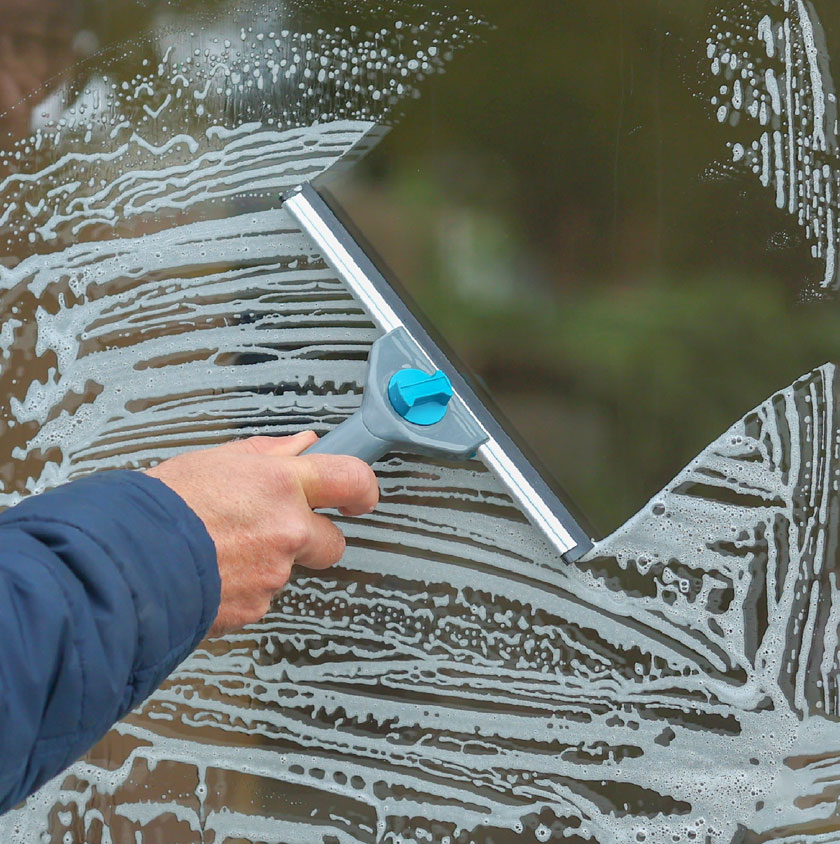
Public Liability for Window Cleaners
Compare Window Cleaner Insurance Quotes
- Complete one short form
- Quickly compare quotes
- Find a great deal today!

Compare insurance quotes from UK’s leading public liability insurers including:






























Why Compare Window Cleaner Insurance At SimplyQuote.co.uk?
Comparing window cleaner insurance helps you secure the right protection at a fair price by showing how different insurers assess the risks involved in your work. It gives you a clear view of what is available so you can choose cover that genuinely fits the type of jobs you take on.
Window cleaning carries a specific set of risks. Working at height, handling ladders or water fed poles, and cleaning fragile glass all increase the chance of accidents or damage. Insurers weigh these factors differently, which is why prices and policy details can vary so widely. When you compare through SimplyQuote, in partnership with Quotezone, you can see how each provider approaches these risks before making a decision.
Some insurers focus on height restrictions, while others put more emphasis on accidental damage or tools cover. Many also differ on whether they include water run off or dropped equipment within standard protection. Comparing options side by side helps you avoid choosing a policy that appears affordable but does not offer the level of support you need for the environments you work in.
The process itself is straightforward. You enter a few details about your business, review the policies available, and select the cover that aligns with your responsibilities. For a trade where most work takes place in public areas and at varying heights, comparison gives you confidence that your insurance matches the real risks of window cleaning.

What Do I Need to Get a Quote?
To get a window cleaner insurance quote, you only need to provide a few details about how you work. Insurers use this information to understand your risks and generate accurate pricing.
Most of the questions relate to the type of window cleaning you carry out and the equipment you use. These points help insurers tailor the cover to your working environment, whether you focus on domestic properties, commercial buildings, or a mix of both.
You will usually need to provide:
- Whether you operate as a sole trader, partnership, or limited company
- The type of window cleaning you do, such as domestic, commercial, or high level work
- Whether you work at height using ladders, water fed poles, or access equipment
- Whether you employ staff or use subcontractors
- The value of tools or equipment you want to insure
- Whether you use a van or transport equipment between jobs
- The areas or types of properties you typically work in
These details help insurers understand the level of exposure in your day to day work. A window cleaner who works mainly on domestic properties may require less cover than someone who handles commercial buildings or works at greater heights. Providing accurate information ensures you receive quotes that genuinely reflect your business.
Why Do I Need Window Cleaner Insurance Cover?
You need window cleaner insurance because your work involves height, fragile surfaces, public spaces, and equipment that can cause accidental damage or injury. Insurance protects you if something goes wrong while carrying out your work.
Window cleaning is one of the more physically exposed trades. Working at height introduces the risk of falls, and anything dropped from a ladder or water fed pole can cause injury or damage below. Public liability is essential because even a small mistake, such as a cracked window or slippery surface caused by water run off, can lead to costly claims.
There are also risks that arise from the equipment you use. Poles, hoses, buckets and cleaning solutions can all cause harm if they come into contact with vehicles, people, or property. If you rely on a van or carry expensive tools, losing them can disrupt your ability to work and lead to additional financial pressure.
If you employ staff or use occasional helpers, employers liability becomes necessary. It protects you if someone working for you is injured on a job and covers legal and compensation costs. Many commercial clients will also expect you to have suitable insurance before allowing you on their premises.
The right cover gives you reassurance when working in busy areas, moving between properties, and handling height related tasks. It ensures that a single accident does not jeopardise your income or your ability to take on future work.
What Does Window Cleaner Insurance Cover Include?
Window cleaner insurance typically includes public liability, protection for accidental damage, and cover for the tools and equipment you use. Optional extras can be added depending on where you work and how your business operates.
Policies are designed around the environments window cleaners work in, from domestic homes to commercial buildings. While public liability forms the core, insurers allow you to tailor the cover to the height you work at, the equipment you use, and whether you employ staff.
Typical cover includes:
- Public liability for injury to others or damage to property caused during your work
- Accidental damage or treatment risk protection for harm caused to glass, frames, vehicles or surrounding property
- Employers liability if you have staff or hire helpers
- Tools and equipment cover for ladders, poles, hoses and cleaning gear
- Legal expenses cover for defending claims or resolving disputes
- Personal accident cover for the cleaner if injured and unable to work
- Tools in transit cover for items transported between jobs
- Optional van cover if your vehicle stores or carries your working equipment
The right combination depends on whether you focus on domestic properties, commercial premises, high level work, or a mix of all three. Comparing policies helps you spot the features most relevant to the day to day risks of window cleaning and ensures you only pay for cover that fits your work.

What’s Not Covered?
Window cleaner insurance will not usually cover deliberate damage, unsafe working practices, or tasks outside the scope of standard window cleaning. Exclusions help define the limits of your policy and clarify what you are not insured for.
Although each insurer sets their own conditions, many exclusions are consistent across the trade. These reflect situations where the risks are too unpredictable or require specialist insurance.
Common exclusions include:
- Deliberate or reckless damage
- Work that was not declared when taking out the policy, such as specialist restoration or hazardous cleaning
- Working above the height limit specified in your policy
- Claims involving subcontractors who are not covered under your policy
- Theft of tools or equipment left unsecured, especially overnight
- Damage caused by chemicals or products not intended for the surface being cleaned
- Property damage outside agreed working areas or times
- Injuries resulting from ignored safety guidance or improper equipment use
These exclusions are not designed to restrict your work but to make sure your cover matches the risks you take on. Reviewing them before accepting new jobs or expanding your services helps avoid unexpected gaps in protection.
How Much Does Window Cleaner Insurance Cost?
Window cleaner insurance typically starts from around £8 to £10 per month for basic public liability cover. Costs increase when you add protection for tools, work at height, staff, or specialist equipment.
Insurers price window cleaning based on the type of work you do and the level of risk involved. A sole trader who focuses on standard domestic windows will sit at the lower end of the scale. Once you include commercial jobs, high level work, or water fed pole systems, the price rises to reflect the added exposure.
Typical cost ranges include:
- Around £100 to £120 per year for domestic window cleaners needing basic public liability
- Around £150 to £250 per year for window cleaners mixing domestic and small commercial work
- Around £250 to £400+ per year for cleaners working at height, carrying expensive equipment, or needing accidental damage and tools cover
- Higher premiums where employers liability is required for staff or subcontractors
These figures act as a guide because two window cleaners may receive different quotes even if they appear to offer similar services. Insurers consider your location, the height you work at, your claims history, and the value of the tools you rely on. Optional extras such as tools in transit or van cover can also influence your premium.
Comparing quotes helps you understand where your business fits within these ranges. Since insurers assess window cleaning risks differently, reviewing multiple options makes it easier to find suitable cover at a fair price.
How Can I Save Money On Window Cleaner Insurance?
You can save money on window cleaner insurance by choosing only the cover you need, comparing multiple insurers, and presenting a clear, low risk working profile. Small adjustments to how you operate can help reduce your premium.
Insurers base their pricing on the level of exposure in your day to day work. The height you operate at, the equipment you use, and the mix of domestic and commercial jobs all influence the cost of your policy. Keeping your cover aligned with the work you actually do ensures your premium remains accurate.
Ways to reduce costs include:
- Selecting a suitable public liability limit rather than defaulting to the highest option
- Declaring only the services you genuinely offer
- Avoiding unnecessary add ons such as tools cover if your equipment is low value
- Choosing a higher excess if appropriate for your budget
- Maintaining safe working practices to help reduce the likelihood of claims
- Keeping clear records if you hire staff or use subcontractors
- Reviewing your policy each year to ensure it reflects any changes in your business
Savings usually come from accuracy rather than cutting essential protection. If your work is mainly domestic, low height, or equipment light, insurers often reflect that lower risk. Comparing policies helps you find cover that matches your working style without paying for features you do not need.

How To Compare Window Cleaner Insurance Quotes At SimplyQuote
Comparing window cleaner insurance quotes is the quickest way to find suitable protection at a fair price. With SimplyQuote, the process is clear, straightforward, and designed around how window cleaners work.
How It Works:
- Enter Your Details – Provide basic information about your window cleaning business, including whether you work on domestic or commercial properties and the height you typically operate at.
- Choose Your Cover Requirements – Select your preferred level of public liability and add any extras you need, such as accidental damage, tools cover, employers liability or tools in transit.
- Compare Quotes from Multiple Insurers – Review tailored policy options side by side and compare the differences in cover limits, pricing and optional add ons.
- Select and Purchase Your Policy – Choose the policy that fits your work and complete the purchase online, receiving confirmation of cover immediately.
Because window cleaners often move between several jobs each day, SimplyQuote, working in partnership with Quotezone, allows you to obtain quotes in minutes. This helps you arrange or update your insurance quickly without interrupting your schedule.
Whether you focus on domestic work, commercial contracts, high level cleaning or a mix of all three, the platform provides a simple way to find cover that reflects the real risks of your trade.

Frequently Asked Questions
Insurance is not legally required unless you employ staff, in which case employers liability is mandatory. Most clients expect window cleaners to have public liability cover before allowing work on their property.
It can, but only within the height limits set by your policy. If you regularly use ladders or access equipment, you must ensure your policy includes this activity.
Yes, provided this method is declared when taking out your policy. Insurers may assess the risks differently but usually accommodate both traditional and water fed pole cleaning.
Only if your policy includes accidental damage or treatment risk cover. Public liability alone does not always extend to damage caused during the cleaning process.
Yes. You simply need to declare commercial work when applying for insurance so insurers can assess the associated risks accurately.
This usually requires tools or tools in transit cover. Standard policies rarely cover theft or damage to equipment stored in vehicles.
Only if subcontractors are included within your policy. If they are not declared or do not meet insurer criteria, claims involving their work may be declined.
Yes. Domestic work still carries risks such as cracked glass, water runoff, or accidents involving ladders. Public liability remains essential even for small scale work.
Public Liability Insurance Guides