Truck Insurance
Compare Truck Insurance Quotes
Cover for the truck, the load and the miles between.


Partnered with Quotezone
We’re partnered with Quotezone. As an Introducer Appointed Representative of Seopa Ltd (FCA FRN: 313860), we receive a commission if you purchase insurance products via SimplyQuote.co.uk.
We do not provide advice or make recommendations. Your choice of provider is entirely your own.





Compare insurance quotes from top truck insurers including;







What Is Truck Insurance?
Truck insurance is a specialist commercial vehicle policy that covers heavy goods vehicles, lorries and other large transport vehicles used for business or haulage work on UK roads.
Standard car insurance policies do not cover trucks or HGVs because these vehicles carry greater risk due to their size, weight and the goods they transport. Drivers also need a specific licence category (C or C+E) to operate them legally.
Like all motor insurance in the UK, truck cover is a legal requirement under the Road Traffic Act 1988. Operating an uninsured HGV on public roads can result in a fixed penalty, six points on your licence and vehicle seizure.
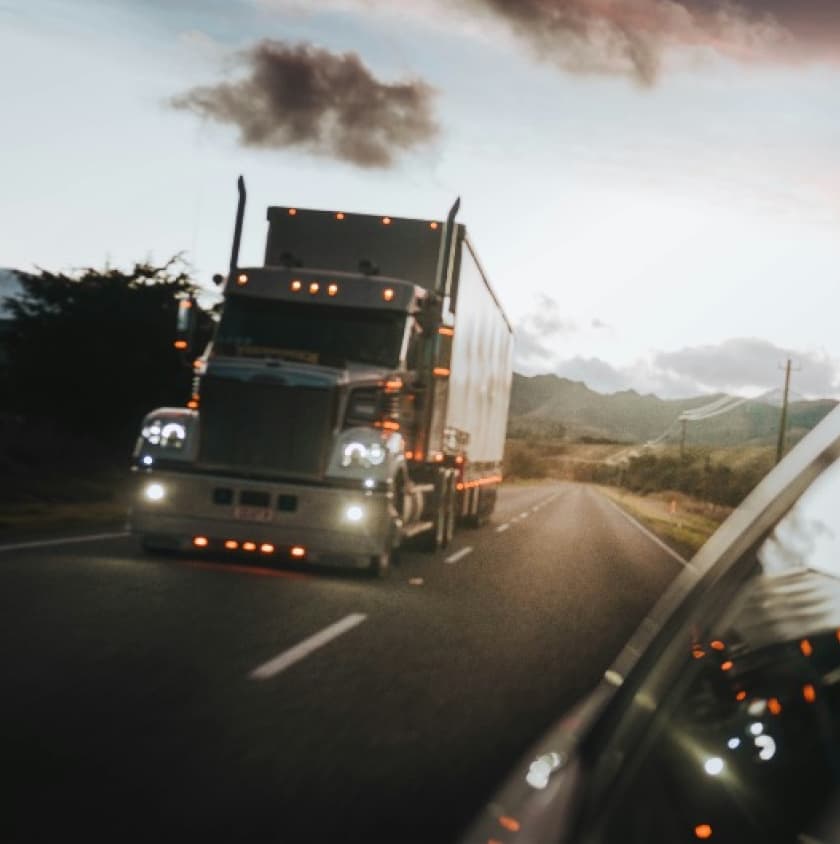
How To Compare Truck Insurance Quotes
Comparing quotes from multiple insurers is the fastest way to find the right balance of cover and cost for your truck or fleet.
Enter your vehicle details
Provide your truck’s make, model, weight class and registration. If you run more than one vehicle, you can add each one separately.
Add your driver information
Include details for every named driver: licence category, years of experience and claims history. Experienced drivers with clean records attract lower premiums.
Choose your cover level
Select from third-party only, third-party fire and theft, or comprehensive cover. You can also add optional extras such as goods-in-transit or breakdown assistance.
Review and buy
Compare the quotes side by side and check the excess, policy limits and any exclusions before you commit. Every insurer on our panel is authorised by the Financial Conduct Authority.
Do You Need Truck Insurance?
Yes. If your truck is driven on public roads in the UK, you are legally required to hold at least third-party motor insurance.
Legal Requirement for All Trucks on Public Roads
The Road Traffic Act 1988 makes it an offence to use any motor vehicle on a road or public place without insurance. Trucks, lorries and HGVs are no exception.
Penalties for driving an uninsured truck include a fixed penalty of £300 and six points on your licence. In more serious cases, the court can impose an unlimited fine and seize your vehicle.
Operator Licence Holders
If you hold a goods vehicle operator’s licence (O-licence), you must demonstrate that every vehicle on your licence disc is properly insured. Failing to maintain cover can lead to your licence being revoked.
When You Also Need Business Insurance
Truck insurance covers the vehicle, but your wider business insurance needs may include employers’ liability, public liability and goods-in-transit cover depending on the work you do.
What Does Truck Insurance Cover?
Cover varies by policy level, but all truck insurance provides at least third-party protection as required by UK law.
Third-Party Injury and Property Damage
Every policy covers your legal liability if your truck causes injury to another person or damages their property. This is the minimum cover you must hold.
Fire and Theft Protection
A third-party fire and theft policy adds cover for your own vehicle if it is stolen or damaged by fire. This is a popular mid-range option for older trucks.
Comprehensive Cover
Comprehensive insurance covers damage to your own truck in any accident, regardless of fault. It also includes fire, theft, windscreen damage and vandalism.
For trucks carrying high-value loads or operating on long-haul routes, comprehensive is almost always the most cost-effective option because repair bills for HGVs run into thousands.
Goods in Transit
Many comprehensive policies include cover for the goods you carry. If not, you can add goods-in-transit cover as a separate policy or add-on.
Goods-in-transit limits typically range from £10,000 to £100,000 per load. If you haul high-value freight, check that the limit matches the maximum value of a single consignment.
How Do The Cover Levels Compare?
The three cover levels differ in what they protect, and goods in transit is usually a separate decision again.
| Cover Level | Your Truck | Third-party Damage | Fire &Amp; Theft | Goods in Transit |
| Third-party only | Not covered | Covered | Not covered | Add-on only |
| Third-party, fire & theft | Fire/theft only | Covered | Covered | Add-on only |
| Comprehensive | Fully covered | Covered | Covered | Often included |
What Types Of Truck Insurance Are Available?
The right policy depends on how you use your truck, what you carry and whether you operate one vehicle or a fleet.
Haulage Insurance
Designed for operators who transport goods on behalf of other businesses. It typically bundles liability cover with goods-in-transit protection for each load.
Long-distance hauliers crossing county or national borders should check that the policy covers their full operating area, including any European routes.
Hire and Reward Insurance
Required if you carry other people’s goods for payment. Couriers, removals firms and delivery companies all fall into this category.
Without hire and reward cover, any claim made while carrying goods for a paying customer will be rejected, even if you hold a standard commercial policy.
Carriage of Own Goods
Covers businesses that use their own trucks to move stock, equipment or raw materials between sites. A builders’ merchant delivering to job sites is a typical example.
Fleet Truck Insurance
If you run two or more trucks, a fleet insurance policy lets you cover every vehicle under one renewal date and one premium. Dedicated HGV fleet insurance is available for larger operations.
Recovery Truck Insurance
A specialist policy for breakdown and recovery operators. It covers the recovery vehicle itself and can include liability for vehicles being towed or carried.
Refrigerated Truck Insurance
Refrigerated trucks carry perishable goods that can be ruined by a breakdown in the cooling system. Policies often include spoiled-goods cover alongside the standard motor insurance.
Flatbed, Tipper and Specialist Truck Insurance
Flatbeds, tippers and curtain-siders each carry distinct risks linked to the body type and cargo. Insurers adjust premiums based on the loading method and the materials you haul.
What Is Not Covered By Truck Insurance?
Standard truck policies have exclusions you should check before you buy. Knowing what is not covered helps you avoid gaps when you need to claim.
Driving Without the Correct Licence
If a driver does not hold a valid HGV licence in the correct category, the insurer can refuse the claim entirely. Category C covers rigid lorries over 3.5 tonnes and C+E covers articulated vehicles with heavy trailers.
Wear and Tear
Mechanical breakdown caused by age or lack of maintenance is not covered. Insurers expect trucks to hold a valid MOT and meet DVSA roadworthiness standards.
Unlicensed or Unqualified Drivers
Any driver not named on the policy or who does not meet the insurer’s minimum age and experience requirements will not be covered.
Deliberate or Criminal Acts
Claims resulting from deliberate damage, driving under the influence or using the vehicle for illegal purposes are excluded.
Overloading Beyond Legal Limits
Operating a truck above its maximum authorised mass voids most policies. Overloading is a criminal offence and a common reason for claim refusal.
How Much Does Truck Insurance Cost?
Truck insurance premiums vary widely depending on the vehicle type, use class and driver profile. The table below gives typical annual ranges for comprehensive cover.
| Vehicle Type | Typical Annual Premium | Key Cost Factor |
| 7.5-tonne rigid (local delivery) | £1,200–£2,500 | Mileage and urban risk |
| 18-tonne rigid (regional haulage) | £2,000–£4,000 | Goods value and routes |
| Articulated 44-tonne (long haul) | £3,500–£7,000 | Driver experience and claims |
| Recovery truck | £1,500–£3,500 | Towing liability exposure |
| Refrigerated truck | £2,500–£5,500 | Cargo temperature risk |
A new operator in Manchester running a single 18-tonne rigid on regional routes might pay around £3,200 a year for comprehensive cover. Adding a second named driver with five years’ clean history could bring that down to roughly £2,800.
Owner-operators running a single 7.5-tonne rigid for local deliveries often pay between £1,400 and £1,800 once they have two or more claim-free years behind them.
Paying monthly typically adds 8–11% to the total cost. If you run multiple trucks, a commercial fleet policy often works out cheaper per vehicle than insuring each one separately.
What Else Affects Your Truck Insurance Premium?
Insurers assess a range of factors beyond vehicle type when calculating your premium. Understanding these helps you present the lowest-risk profile.
Driver Age and Experience
Drivers under 25 attract higher premiums because they are statistically more likely to be involved in an accident. A driver with ten or more years’ HGV experience will pay noticeably less.
Claims and Convictions History
A clean claims record builds a no-claims bonus that can cut your premium by up to 30%. Driving convictions, particularly for speeding or using a mobile phone, push premiums up.
Where You Operate and Park
Trucks based in high-theft areas or those making frequent city-centre deliveries cost more to insure. Parking in a locked compound overnight rather than on the street reduces risk and premium.
Security and Tracking Devices
Fitting a Thatcham-approved tracker, dashcam or immobiliser can earn a discount. Some insurers offer telematics-based monitoring that rewards safe driving with lower renewal costs.
Fault claims stay on your record for five years with most insurers. Even a single at-fault claim can add several hundred pounds to your next renewal.
If you operate from a dedicated yard with CCTV and gated access, mention this when getting quotes. Insurers treat secure overnight parking as a strong risk-reduction factor.
How To Save Money On Truck Insurance
Truck insurance is one of the larger running costs for any haulage or logistics operation, but there are practical steps you can take to keep premiums down.
Compare Quotes from Multiple Insurers
Prices vary widely between providers. Getting at least three quotes and comparing cover levels side by side is the single most effective way to cut costs.
Pay Your Premium Annually
Monthly instalments include interest that adds 8–11% to the total. Paying the full amount upfront saves that markup.
Name Your Drivers Instead of Using Any-Driver Cover
An “any driver” policy costs more because the insurer cannot assess individual risk. Listing named drivers with clean records is almost always cheaper.
Increase Your Voluntary Excess
Accepting a higher excess reduces your premium. Set the excess at a level you could afford to pay if you needed to claim.
Invest in Security
Central locking, alarms, immobilisers and tracked parking all reduce theft risk. Insurers reward visible security measures with lower quotes.
Build and Protect Your No-Claims Bonus
Avoid small claims where the repair cost is close to your excess. Every claim-free year adds to your discount, which can reach 30% or more after five years.

Frequently Asked Questions
Yes, you need a category C licence for rigid trucks over 3.5 tonnes and a C+E licence for articulated vehicles. A standard car licence (category B) does not cover HGVs.
Yes, fleet insurance lets you cover two or more trucks under a single policy with one renewal date. This is usually cheaper than insuring each vehicle separately.
No, truck insurance is a specialist product for heavier vehicles (typically over 3.5 tonnes). Van insurance covers lighter commercial vehicles that can be driven on a standard car licence.
Third-party only is the legal minimum in the UK. It covers damage to other people and their property but not your own vehicle.
Not automatically on every policy. Goods-in-transit cover is often included with comprehensive policies or available as an add-on.
Basic third-party cover is included for most EU countries under UK motor insurance law. For wider cover abroad, ask your insurer about a European extension.
If you employ drivers or any other staff, employers’ liability insurance is a legal requirement. You must hold at least £5 million of cover, though most policies provide £10 million.
Public liability insurance is not a legal requirement, but most haulage contracts and logistics clients demand it. Cover of £1–£5 million is standard for truck operators.
Yes, but each vehicle type needs its own policy. Your truck insurer may offer a multi-vehicle discount, or you can compare taxi insurance separately through SimplyQuote.
HGV fleet insurance covers multiple vehicles under one policy and usually offers a per-vehicle discount. Single-vehicle cover is simpler but costs more per truck once you have two or more.
No, truck insurance is tied to the specific vehicle, not the driver. You would need to be added as a named driver on the owner’s policy before driving their truck.
Your insurer pays the market value of the vehicle at the time of the loss, minus your excess. If you owe more on finance than the truck is worth, GAP insurance covers the shortfall.