Van Impound Release Insurance
Impound Van Insurance Quotes
Get the cover you need to release your van from an impound.

Partnered with GoShorty





Compare van impound release insurance quotes from the UK’s leading specialist providers including:







What Is Impound Release Van Insurance?
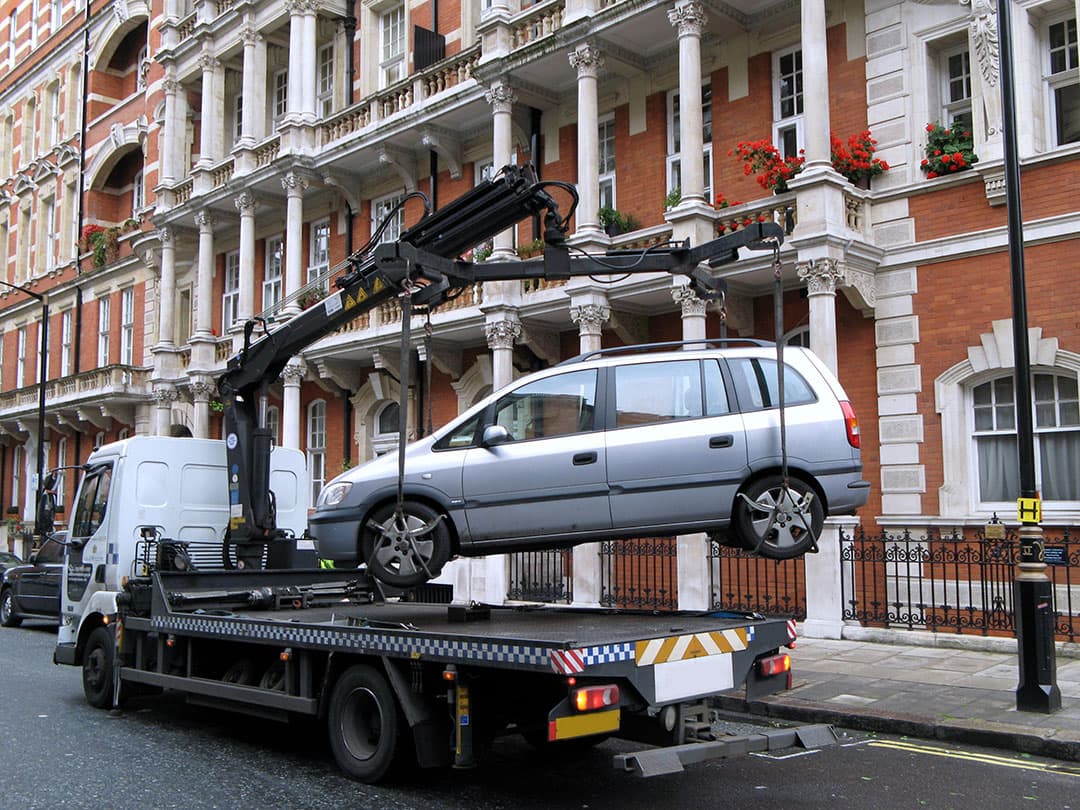
Impound release van insurance is a short-term policy that meets the legal requirements for collecting a seized van from a UK police compound.
When a van is impounded for driving without insurance, expired tax or a licence offence, you cannot reclaim it with a standard annual policy. The police require a dedicated 30-day policy issued in a format the compound will accept.
Most impound release policies provide third-party-only cover, which is the legal minimum under Section 165A of the Road Traffic Act 1988. Once purchased, you present the certificate alongside your ID and release paperwork at the pound.
For a detailed explanation of how the process works, see our guide to what is impound insurance.

How To Compare Impound Release Van Insurance Quotes
Comparing quotes takes only a few minutes and ensures you pay the lowest price for a policy the compound will accept.
Enter your details
Provide your name, date of birth, licence type and any driving convictions. Be accurate, because insurers verify this against DVLA records.
Add your van information
Enter the registration number, make and model. The insurer needs this to assess risk and confirm the vehicle type.
Choose your cover start date
Set the start date to the day you plan to collect. The 30-day period runs from this date, so do not leave a gap.
Review and buy online
Only insurers who meet the impound-release criteria are shown. Purchase online and your documents arrive by email, ready to present at the pound.
Check that any insurer you choose is FCA-authorised before buying. This protects you if something goes wrong with the policy or the claim.
Why Do You Need Impound Release Van Insurance?
Without a valid impound-specific policy, your van stays in the compound and daily storage fees keep rising.
Driving Without Insurance
This is the most common reason for seizure. If your van was caught without a valid policy, your existing cover is void for compound release purposes.
Police use automatic number plate recognition (ANPR) cameras linked to the Motor Insurance Database. An uninsured van is usually flagged within seconds.
Expired Tax or MOT
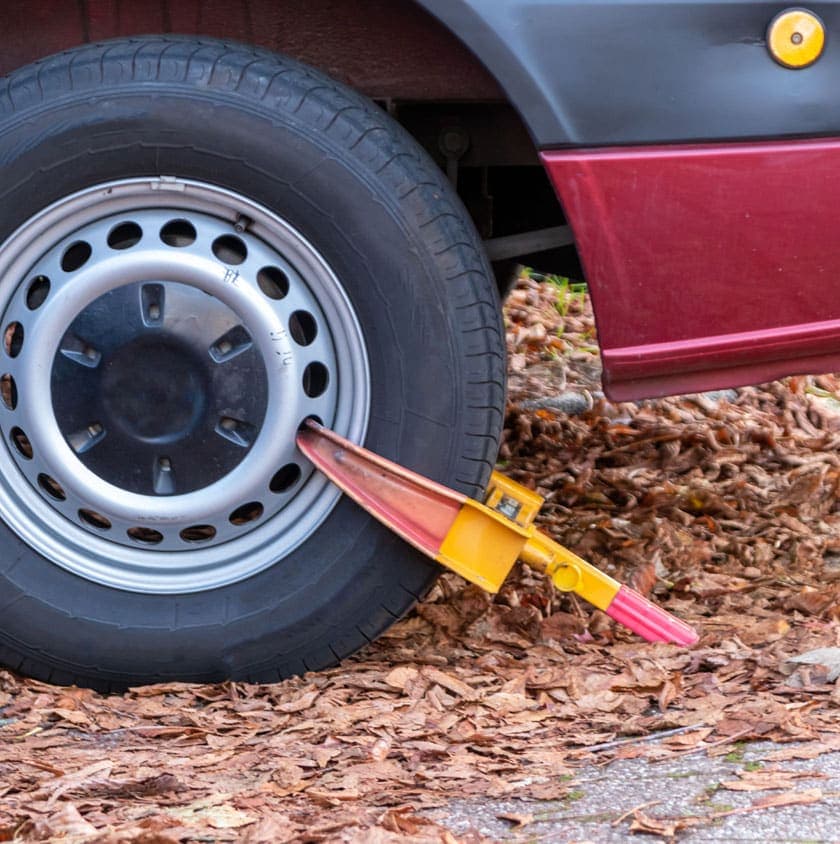
An untaxed van can be clamped or seized by the DVLA. Even if you have motor insurance, you still need a dedicated impound policy to get the van back.
A van with no MOT also fails the legal roadworthiness check. You will need a fresh MOT before driving it on public roads after release.
Licence Offences
Driving on a revoked or disqualified licence triggers automatic seizure. A named driver with a valid licence must be on the impound policy to collect the van.
Penalty points alone do not always lead to seizure. But if the points cause a disqualification, the vehicle can be impounded on the spot.
Employee or Third-Party Seizure
If an employee drove your work van outside the terms of your policy, the vehicle can be seized. As the registered keeper, you are responsible for arranging release cover.
This also applies if you lent the van to a family member or friend who was not named on your policy. The keeper, not the driver, must arrange the impound insurance.
What Does Impound Release Van Insurance Cover?
It provides the legal minimum cover needed to release a seized van and drive it away from the compound.
Third-Party Liability
Covers damage or injury you cause to other people or their property while driving the released van. This is the level required by law.
Third-party cover does not pay for repairs to your own van. If you need collision or theft cover, arrange a separate annual policy once the van is out of the compound.
30-Day Continuous Cover
UK police compounds require an unbroken 30-day policy. Shorter policies or those with a gap before the collection date are rejected.
The 30-day clock starts from the date you specify, not the purchase date. Set it to the day you plan to collect so there is no gap.
Compound-Accepted Documentation
The certificate is issued in a format that police compounds across the UK recognise. Standard annual policies often fail this check.
What Is Included In The Policy?
Impound release cover is third-party only by design, so the table below shows what the certificate does and does not carry.
| Cover Element | Included? | Notes |
| Third-party liability | Yes | Covers injury or damage to others |
| 30-day continuous cover | Yes | Non-negotiable legal requirement |
| Compound-accepted certificate | Yes | Correct format for police pounds |
| Own-vehicle damage | No | TPO only, no fire, theft or comprehensive |
| Additional drivers | Varies | Some insurers allow one extra named driver |
Compare Impound Van Insurance
Get the cover you need to release your van from an impound.
What Is Not Covered By Impound Release Van Insurance?
This is a single-purpose policy. It does not replace standard van insurance for everyday driving or business use.
Own-Vehicle Damage
Third-party-only cover means your van is not insured against fire, theft or accidental damage. You carry the full risk if it is damaged after release.
Foreign Use
The policy is valid in the UK only. You cannot drive the van abroad during the 30-day period.
Modified or High-Value Vans
Some insurers exclude heavily modified vehicles or those above a certain value. Declare all modifications when you apply.
Ongoing Business Use
Once the 30-day impound policy expires, you need standard van insurance or courier insurance if you carry goods for a living.
Common exclusions include engine remaps, lowered suspension and aftermarket body kits. Non-disclosure can invalidate the policy entirely.
Driving without cover after the policy lapses risks a second seizure and another round of compound fees.
How Much Does Impound Release Van Insurance Cost?
Most 30-day impound van policies cost between £200 and £400, depending on the driver, the van and the reason it was seized.
| Factor | Typical Impact on Cost |
| Driver age | Under-25s pay more due to higher accident risk |
| Driving history | Convictions and points raise premiums sharply |
| Reason for seizure | No-insurance seizures attract the highest quotes |
| Van type and size | Larger or modified vans cost more to insure |
| Postcode | Higher-crime areas increase the premium |
A 35-year-old self-employed driver reclaiming a standard Ford Transit might pay around £210 to £260. A 22-year-old with a no-insurance seizure could face £320 to £400.
Prices vary between insurers, so even a small amount of shopping around can reduce the total bill. Paying monthly is not usually an option for 30-day policies.
On top of the insurance, the compound charges a release fee of around £150 to £200 plus daily storage of £20 to £25. Acting quickly saves money because vehicles not collected within 14 days can be crushed or sold.
What Do You Need To Release Your Van From Impound?
You need four documents at the compound: a valid impound insurance certificate, photo ID, proof of vehicle ownership and a completed release form.
Valid Impound Insurance Certificate
The 30-day policy certificate must be in the correct format and show continuous cover from the collection date. Print it or have a digital copy ready.
Some compounds accept a digital certificate on your phone, but others insist on a paper copy. Check with the pound before you arrive.
Photo Identification
A driving licence or passport is accepted at most compounds. The name must match the policyholder on the insurance certificate.
Proof of Ownership
Bring the V5C registration document. If you do not have the original, a new keeper supplement or bill of sale may be accepted.
Seizure Notice and Release Form
The police issue a seizure notice (form 3708) when the van is impounded. This form lists the compound address, the reference number and the deadline for collection.
Some compounds also require you to complete their own release form on arrival. Bring all paperwork together to avoid a wasted trip.
Compare Impound Van Insurance
Get the cover you need to release your van from an impound.
How To Save Money On Impound Release Van Insurance
The biggest saving comes from acting fast. Every day your van sits in the compound adds £20 to £25 in storage fees.
Compare Quotes Online
Different specialist insurers price impound policies differently. Comparing two or three quotes can save £30 to £50 on the same cover.
Collect the Van as Soon as Possible
Storage fees are charged daily. Collecting on day two instead of day seven saves roughly £100 in storage alone.
Keep Your Licence Clean
Points and convictions push impound premiums higher. A clean licence with no lapses in cover gets the best rates.
Arrange Ongoing Cover Immediately
Once your van is released, switch to a standard annual policy before the 30-day impound cover expires. Letting it lapse risks another seizure and a second set of fees.
Check Eligibility Before Applying
Most impound insurers require you to be aged 21 to 75, hold a full UK licence and be the registered keeper. Checking these before you apply avoids wasted time on declined quotes.
Consider Temporary Cover If You Only Need the Van Short-Term
If you do not plan to keep the van long-term, temporary van insurance for one to 28 days may be cheaper than committing to a full annual policy after the impound period ends.
Online comparison tools return quotes within minutes. You do not need to call each insurer individually.
If you have points, disclose them upfront. Non-disclosure can void the policy and leave you stranded at the compound.

Frequently Asked Questions
No. Most standard policies do not meet the 30-day continuous cover requirement and are not issued in a format police compounds accept.
You can usually buy a policy and receive your certificate by email within minutes. Same-day collection from the compound is possible.
Yes. The policy covers you to drive the van on public roads for the full 30-day period after release.
Some insurers allow this if you can prove a legitimate reason for collecting, such as being a family member or employer of the registered keeper.
Almost all impound release policies are third-party only. This is the legal minimum needed for release.
Some providers allow one additional named driver. Check at the quote stage because not all insurers offer this.
The police can dispose of the vehicle after 14 days. This may mean the van is crushed or sold at auction.
Yes, most specialist insurers accept drivers with points. However, six or more points usually increase the premium and serious disqualifications may lead to a declined quote.
The process is identical, but the insurer needs to know the vehicle type. If you need to release a car, see impounded car insurance instead.
If you also need to insure a car, browse car insurance for annual policies or temporary car insurance for short-term cover of one to 28 days.
Yes. The impound policy is not a long-term solution, so arrange a standard annual van policy or short-term cover before the 30 days end.