
Are You Responsible For An Accident In A Borrowed Car?


If you caused the accident, yes. The key difference is that the claim goes through the car owner’s insurance policy, not yours.
In the UK, motor insurance follows the vehicle rather than the driver. When you borrow a car and have an accident, the owner’s car insurance handles the claim.
But if you were at fault, there are consequences for both you and the owner, including the owner’s no-claims discount, their premiums, and your own insurance history.
If you caused it, you are responsible, but the claim goes through the owner’s policy rather than yours. That means their no-claims discount takes the hit and their premium rises, which is why borrowing casually can cost a friendship as much as money. Get named on their policy or take out temporary cover before you drive, and never rely on a driving other cars clause without checking it exists.
Compare temporary car insurance before you borrow someone else’s car.
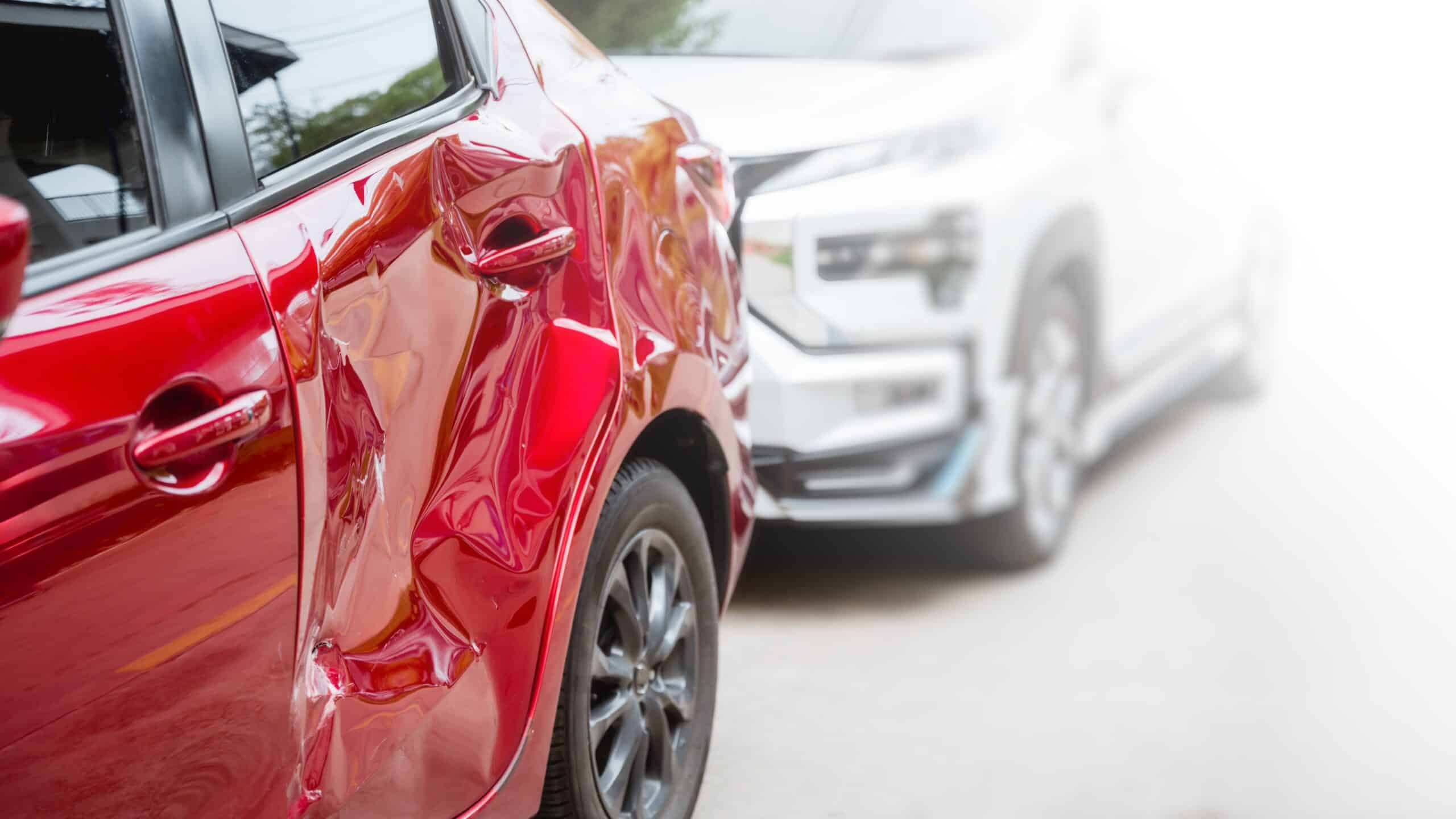
How is fault determined in a borrowed car accident?
Fault is determined exactly the same way as in any other road traffic accident. The fact that you were driving a borrowed car makes no difference to the investigation.
What evidence do insurers look at?
Insurers examine witness statements, police reports, dashcam footage, and vehicle damage patterns. They determine which driver was negligent and apportion liability accordingly.
Fault isn’t always 100% one way. If both drivers contributed to the accident, liability can be split, with each insurer paying their share of the total claim.
Does it matter who is named on the policy?
Being a named driver on the policy doesn’t change how fault is determined. It only confirms that you were insured to drive the vehicle at the time of the accident.
If you weren’t insured at all, the fault investigation still happens the same way, but you also face criminal charges for driving without insurance on top of any accident liability.
What happens if you caused the accident?
The car owner’s insurer pays the third-party claim and vehicle repair costs. But the accident is recorded against the owner’s policy, which can increase their premiums and reduce their no-claims discount.
What’s the impact on the car owner?
- The claim goes on the owner’s record because UK insurance records claims against the vehicle’s policy, not the driver
- The owner pays the policy excess as the policyholder, even though they weren’t driving
- Premiums may increase at renewal because a fault claim is now on their record
What’s the impact on you as the driver?
- You may be asked to reimburse the owner for the excess and any premium increase, though there’s no legal obligation to do so
- Your own insurance history may be affected if you were a named driver on the policy, as the claim can appear when you apply for your own cover
- Criminal liability applies to you personally if you caused the accident through dangerous or careless driving
The car owner could also sue you for financial losses you caused, including the excess and increased premiums. This is rare between friends and family but is a legal possibility.
To avoid awkward conversations afterwards, agree upfront who pays the excess if something goes wrong. Sorting this out before you drive avoids disputes later.
| Consequence | Car owner | Driver (you) |
| Insurance claim recorded | Yes, on their policy | May appear on your history |
| Excess payment | Owner pays (as policyholder) | Owner may ask you to reimburse |
| No-claims discount | May be reduced | Not directly affected |
| Premium increase | Likely at renewal | Not on this policy |
| Criminal liability | Only if they permitted uninsured driving | Yes, if driving was careless or dangerous |
What happens if the other driver was at fault?
The other driver’s insurer is liable for all damage. You’re not personally responsible for anything, and the car owner’s insurer recovers costs from the at-fault driver’s insurer.
What if the other driver was uninsured?
The car owner’s insurer handles the claim and may recover costs through the Motor Insurers’ Bureau (MIB). The owner may still need to pay their excess initially, but this can be recovered later if the at-fault party is identified.
How can you be insured to drive a borrowed car?
Under Section 143 of the Road Traffic Act 1988, it’s the driver’s legal responsibility to be insured on any vehicle they drive. You can’t legally assume a borrowed car is covered for you.
What are your options?
The safest option for regular use is being added as a named driver on the owner’s policy. This gives you the same level of cover as the main policyholder.
For one-off trips, temporary car insurance is available from one hour upwards. It covers you on the specific vehicle and keeps any claims off the owner’s policy.
Some policies include driving other cars (DOC) cover, but this only provides third-party protection. Damage to the borrowed car itself isn’t covered under DOC.
Don’t assume your comprehensive policy automatically includes DOC. Many insurers have removed it in recent years, so check your policy documents before driving.
Whichever option you choose, photograph the car before you drive it. Take photos showing the condition of the bodywork, wheels, and any existing scratches or dents.
This protects you from being blamed for pre-existing damage. It also gives the insurer a baseline if you need to make a claim.
| Cover type | Level of cover | Borrowed car damage covered? | Best for |
| Named driver | Same as policyholder | Yes | Regular use |
| Temporary insurance | Fully comprehensive | Yes | One-off trips |
| DOC cover | Third-party only | No | Emergency use only |
What are the consequences of driving a borrowed car uninsured?
Driving without insurance is a criminal offence. You face a £300 fixed penalty and six points on your licence, or an unlimited fine and disqualification if prosecuted in court.
You can check whether any vehicle is insured through the government’s vehicle insurance checker. Do this before borrowing any car.
What happens if you cause an accident while uninsured?
The owner’s insurer may refuse the claim entirely. The MIB will step in to compensate the innocent third party, but they’ll then pursue you personally to recover every penny.
The car can also be seized by police on the spot under Section 165A of the Road Traffic Act. If it isn’t recovered within 14 days, it can be crushed or sold.
Both you and the car owner could face charges. You’ll be prosecuted for driving without insurance, and the owner may be prosecuted for permitting uninsured driving.
Before borrowing anyone’s car, check your DOC cover status or arrange temporary insurance. It takes minutes and could save you from prosecution and personal liability.
Frequently Asked Questions (FAQs)
No, liability depends on fault. If the other driver caused the accident, their insurer is liable and you’re not personally responsible.
Only if you’re named on their policy or they have a policy that covers any driver with the owner’s permission. Being a friend or family member doesn’t make you an insured driver.
Yes. If you caused damage through negligence, the owner can pursue you for the excess, uninsured repair costs, and increased premiums.
Only if your policy includes DOC cover, and even then it provides third-party protection only. Damage to the borrowed car isn’t covered.
You face a £300 fixed penalty and six points, or an unlimited fine and disqualification in court. You’re also personally liable for all costs if you cause an accident.
Yes, if you were at fault. The claim is recorded against the owner’s policy, which can reduce their no-claims discount and increase their premiums at renewal.