Driving Other Cars Insurance
Driving Other Cars Insurance Quotes
You could save up to £535* on your car insurance in minutes.

Partnered with Quotezone
We’re partnered with Quotezone. As an Introducer Appointed Representative of Seopa Ltd (FCA FRN: 313860), we receive a commission if you purchase insurance products via SimplyQuote.co.uk.
We do not provide advice or make recommendations. Your choice of provider is entirely your own.





Compare insurance quotes from the UK’s leading driving other cars insurers including:











What Is Driving Other Cars Insurance?
Driving Other Cars (DOC) insurance is an extension found on some comprehensive car insurance policies that lets you drive a vehicle you don't own at third-party level only.
It is not a standalone product you can buy separately. If your comprehensive policy includes DOC, you can drive another person's car in an emergency without arranging separate cover.
The protection is limited to third-party liability, so any damage you cause to other vehicles or property is covered. Damage to the car you're borrowing is not.

How To Compare Driving Other Cars Insurance
Not every comprehensive policy includes DOC, so comparing car insurance quotes is the only reliable way to find a policy that does.
Enter Your Details
Provide your age, postcode, licence type, driving history, and your vehicle's registration number. These details shape your risk profile and determine whether DOC is available.
Select Comprehensive Cover
DOC is almost never available on third-party, fire and theft or third-party only policies. Selecting fully comprehensive cover is the baseline requirement.
Review the Policy Summary
Look for 'driving other vehicles' or 'DOC extension' in the insurer's documentation. Some providers list this on the certificate of motor insurance, while others confirm it only after purchase.
Buy and Confirm
Once you've found a comprehensive policy that includes DOC and fits your budget, complete the purchase. All UK motor insurance providers are regulated by the Financial Conduct Authority.
What Does Driving Other Cars Insurance Cover?
DOC cover provides third-party protection only, meaning it pays for damage you cause to other people, their vehicles, or their property while driving a car you don't own.
Many drivers assume that comprehensive cover on their own car means full protection on any vehicle. In reality, DOC provides only the legal minimum level of cover.
This misunderstanding is one of the most common reasons drivers end up uninsured on the road. Checking your certificate of motor insurance before borrowing any vehicle is the safest approach.
Third-Party Liability
If you reverse a borrowed car into another vehicle, DOC would cover the damage to that vehicle. It would not pay for any repairs to the car you were driving.
For example, if you borrow a friend's car and clip a parked vehicle, DOC covers the parked car's damage. Your friend's bumper repair, which could easily cost £800 or more, would come out of your own pocket.
Emergency and Occasional Use
DOC is intended for unplanned, short-term situations only. Borrowing a partner's car while yours is being serviced or helping a friend in an emergency are typical qualifying scenarios.
Some policies define 'occasional' loosely, while others set strict conditions. Always check your policy wording to understand exactly when DOC applies.
Vehicles Already Insured by Their Owner
The car you drive under DOC must already have its own active car insurance policy in place. If the vehicle is uninsured, your DOC cover will not apply.
Compare Driving Other Cars Insurance
You could save up to £535.17* on your car insurance in minutes
What Is Not Covered By Driving Other Cars Insurance?
DOC does not protect the car you're driving, and it excludes several common situations that many drivers wrongly assume are covered.
Damage to the Borrowed Vehicle
If you crash the car you're borrowing, you are personally liable for repairs. DOC provides third-party cover only, so the borrowed vehicle is never included.
Theft, Fire, or Vandalism
If the borrowed car is stolen or damaged by fire while in your care, your DOC cover will not pay out. Only the vehicle owner's own comprehensive policy would cover those risks.
Business or Commuting Use
Most DOC clauses exclude driving for work purposes. If you regularly use a colleague's car for meetings or commuting, you would need business car insurance or a temporary policy instead.
Regular Use of Another Vehicle
DOC is designed for occasional, unplanned use only. If you drive another car daily or weekly, you should be added as a named driver or arrange second car insurance.
Hired or Leased Vehicles
DOC does not apply to any vehicle you have hired, leased, or are buying on finance. These vehicles are covered under separate agreements with the hire or finance company.
If you need cover for a rental car while on holiday or for work, the hire company's own insurance or a standalone rental excess policy would be the correct option.
Compare Driving Other Cars Insurance
You could save up to £535.17* on your car insurance in minutes
Who Can Get Driving Other Cars Cover?
Eligibility for DOC depends on your age, driving record, and the cover level you hold, with most insurers restricting it to lower-risk drivers over 25.
These criteria vary between insurers, and some are stricter than others. What one provider excludes entirely, another may include with conditions.
| Factor | Typical Requirement |
| Age | Over 25 (most insurers) |
| Licence | Full UK driving licence held for 2+ years |
| Claims history | No at-fault claims in the past 3–5 years |
| Convictions | No unspent driving convictions |
| Policy type | Fully comprehensive only |
| Occupation | Excludes high-risk roles (couriers, delivery drivers) |
Age and Driving Experience
Drivers under 25 are almost always excluded from DOC, regardless of their record. If you're a younger driver looking for flexible cover, a first car insurance policy with a temporary add-on may be more practical.
Insurers view younger drivers as a higher risk when behind the wheel of an unfamiliar vehicle. Our guide to young drivers insurance costs explains how age affects premiums across the board.
Claims and Convictions
A clean driving record is the single strongest factor in getting DOC included on your policy. Even one at-fault claim or a speeding conviction can remove DOC eligibility entirely.
Insurers apply their own underwriting criteria, so DOC eligibility varies between providers. Comparing quotes from multiple insurers is the best way to find one that includes it.
What Happens If You Drive Without Insurance?
Driving a car without valid insurance is a criminal offence under the Road Traffic Act 1988, carrying a minimum penalty of six licence points and a £300 fixed fine.
The law requires every vehicle driven on UK roads to have at least third-party insurance. The government's vehicle insurance guidance confirms that driving without cover can lead to prosecution, fines, and vehicle seizure.
| Situation | Penalty |
| Fixed penalty (no court) | 6 points + £300 fine |
| Court prosecution | 6–8 points + unlimited fine |
| Repeat offence | Driving ban + vehicle seized |
| Keeping an uninsured vehicle | £100 continuous insurance enforcement fine |
Police Enforcement
Police can verify your insurance instantly using the Motor Insurance Database managed by the Motor Insurers' Bureau. If you're stopped driving a car you're not covered on, it can be seized at the roadside.
Since 2011, the continuous insurance enforcement scheme has also targeted vehicles that are registered but not insured. The DVLA cross-references its records with the MID to identify uninsured keepers automatically.
Impact on Future Premiums
An IN10 conviction for driving without insurance stays on your licence for four years. It typically increases future premiums by 50% or more and limits which insurers will accept you.
Vehicle Seizure
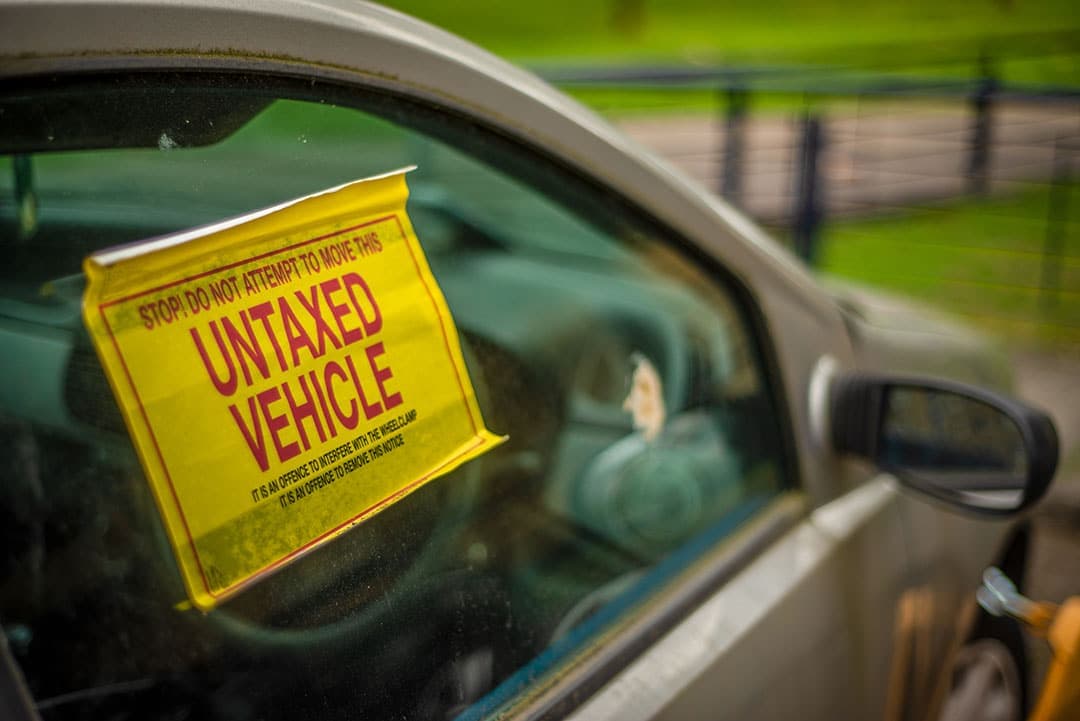
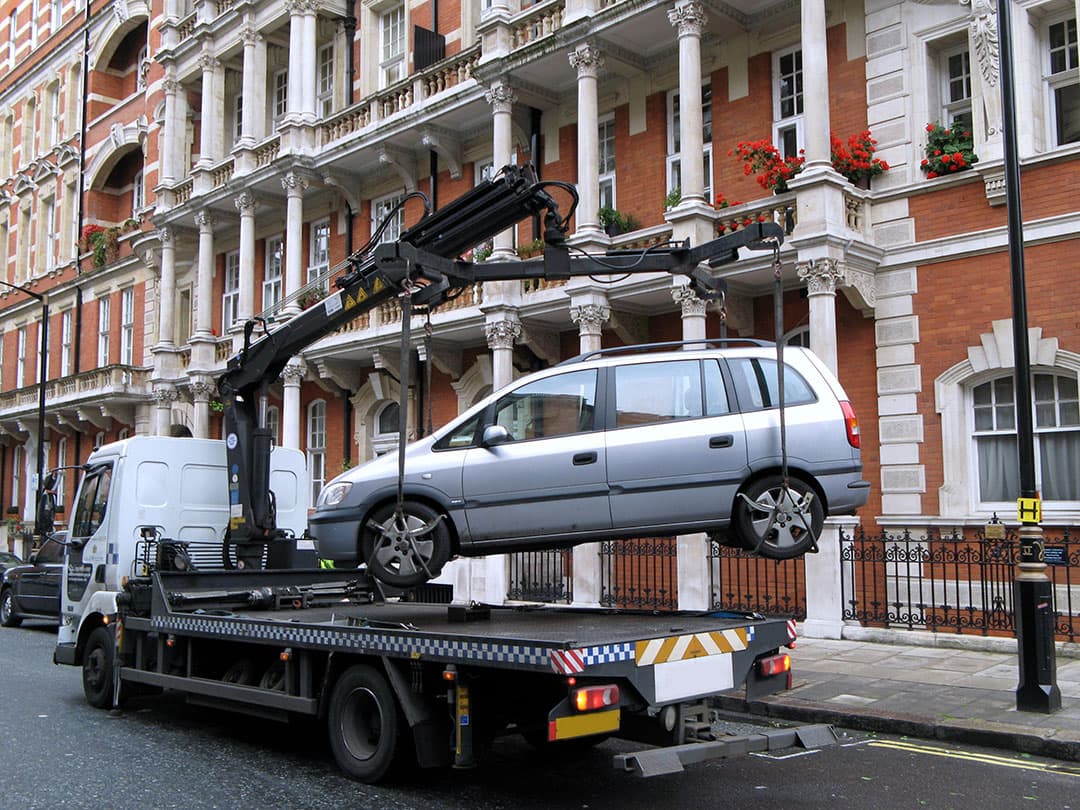
If police stop you driving an uninsured vehicle, they have the power to seize it on the spot under Section 165A of the Road Traffic Act 1988.
You then have seven working days to present valid insurance and pay a release fee. Unclaimed vehicles may be crushed or auctioned after 14 days, regardless of their value.
How Much Does Driving Other Cars Insurance Cost?
DOC cover is not priced as a standalone product. It comes bundled inside some comprehensive car insurance policies, with eligibility based on your risk profile rather than an extra premium.
You cannot buy DOC on its own. Instead, insurers selectively include it for drivers they consider lower-risk, usually at no additional cost within the comprehensive policy.
| Driver Profile | Cover Level | DOC Included? | Approx. Annual Cost |
| 35-year-old, 5+ years NCD, no claims | Comprehensive | Yes | £420–£600 |
| 28-year-old, 1 minor claim | Comprehensive | Sometimes | £550–£780 |
| 22-year-old, 2 years NCD | Comprehensive | Rarely | £750–£1,100 |
| Any age, any record | TPFT or TPO | No | Varies |
Most policyholders only discover whether DOC is included when they receive their certificate of motor insurance. That's why comparing quotes and reading the policy summary before buying is worth the extra few minutes.
Factors That Affect the Cost
Your premium depends on the same factors as any car insurance quote: age, postcode, vehicle type, claims history, and annual mileage. Our guide on how car insurance is calculated breaks these down in detail.
The key difference is that DOC eligibility is an underwriting decision, not a pricing one. Two drivers paying the same premium might find that one policy includes DOC and another does not.
Where you live also plays a role. Drivers in urban postcodes with higher theft and accident rates typically pay more for comprehensive cover, which can affect whether DOC is included.
How To Save Money On Driving Other Cars Insurance
The most effective way to access DOC cover affordably is to reduce your overall comprehensive car insurance premium, since DOC comes bundled inside qualifying policies.
Build Your No-Claims Bonus
Every claim-free year reduces your premium and improves your risk profile. Five or more years of no-claims bonus can cut costs by up to 70% and makes DOC inclusion far more likely.
Pay Annually If Possible
Paying your premium in one lump sum avoids the interest charges that monthly direct debits add. Our guide to paying car insurance monthly or annually explains the typical savings.
Lower Your Risk Profile
Parking on a driveway or in a garage rather than on the street can reduce your premium. Limiting your annual mileage also signals lower risk to insurers.
Consider Alternatives to DOC
If your policy does not include DOC, temporary car insurance offers comprehensive cover on a specific vehicle from one hour to 28 days. This is often cheaper and more flexible for occasional use.
Protecting your no-claims bonus with a policy add-on is also worth considering. It typically costs £20–£60 per year and prevents your discount from being affected if you need to claim.
Fitting an approved alarm or immobiliser is another simple step. Vehicles with higher security ratings attract lower premiums across most providers.
Being added as a named driver on the other person's policy is another option. It provides full cover for regular shared use and may not cost much if you have a clean driving record.
Compare Driving Other Cars Insurance
You could save up to £535.17* on your car insurance in minutes

Frequently Asked Questions
No. DOC only applies to cars you don't own and haven't hired, and the vehicle must already be insured in its own right. It is not a blanket permission to drive any vehicle.
No. Insurers decide whether to offer DOC based on your age, driving history, and risk profile. Always check the policy summary before buying.
No. DOC is third-party only, so you're covered for damage to other vehicles and property. You would be personally liable for any damage to the borrowed car.
Most policies exclude business and commuting use from DOC. If you need to drive another vehicle for work, you would need separate cover such as a business car insurance policy.
Yes. You must have the vehicle owner's consent before driving their car, even if your policy includes DOC cover.
Your DOC cover won't apply. The vehicle you drive must have its own active insurance policy for DOC to be valid.
Very rarely. Most insurers restrict DOC to drivers aged 25 and over with a clean driving record and several years of licence-holding.
No. DOC is a limited third-party extension on your own policy. Temporary car insurance is a separate, fully comprehensive policy on a specific vehicle for a set period.
Look at your certificate of motor insurance or the policy schedule document. If DOC is not mentioned, contact your insurer to confirm.
Some insurers allow mid-term adjustments, but many decide DOC eligibility at the underwriting stage. Contact your insurer to ask about your options.
The MID is a central record of every insured vehicle in the UK. It is managed by the Motor Insurers' Bureau and used by police to verify insurance status instantly.
No. Your no-claims discount applies only to your own vehicle's policy. Any claims made while driving another car under DOC would affect your own record and could reduce your bonus.
Car Insurance Guides