
Can I Claim For Car Repairs On My Insurance?


You can claim for car repairs if you have comprehensive insurance and the damage was caused by an accident, theft, vandalism, fire, or a natural event. Third-party only and TPFT policies do not cover damage to your own vehicle from collisions.
Car insurance covers sudden, unexpected damage, not routine maintenance, mechanical breakdowns, or wear and tear.
Whether it’s worth claiming depends on the repair cost, your excess, and the likely impact on your premium at renewal.
Comprehensive cover pays for accident, theft, vandalism, fire and flood damage. It never pays for mechanical breakdown, wear and tear, or the consequences of poor maintenance, which stay your responsibility. The deciding factor on smaller jobs is your excess: if the repair bill sits close to it, claiming costs you the excess and your no-claims discount for very little return.
Compare comprehensive car insurance and check your excess before you need it.
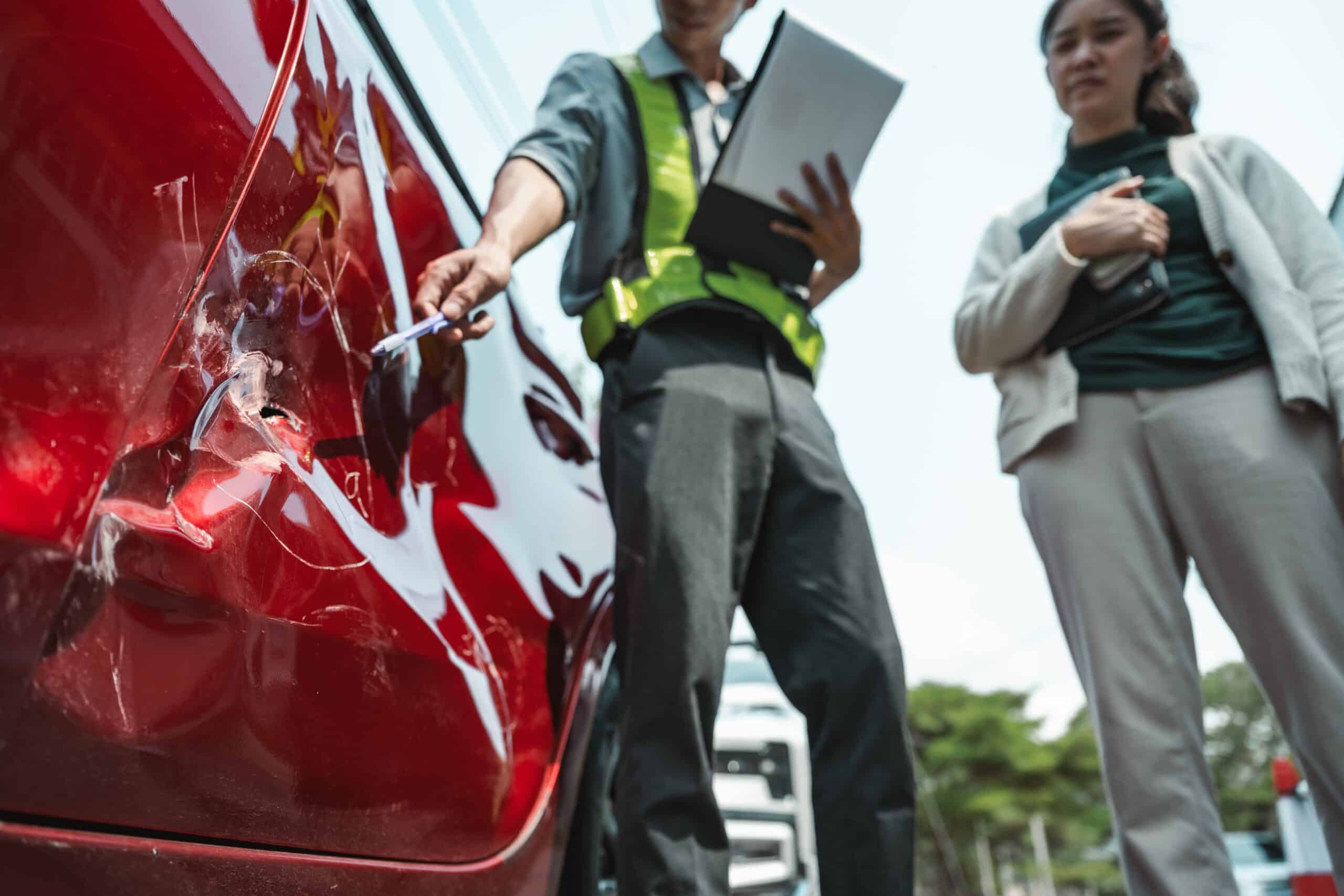
What types of damage can you claim for?
Comprehensive insurance covers a wide range of damage to your vehicle, including collisions, theft, vandalism, fire, flooding, and falling objects. The damage must result from a sudden event rather than gradual deterioration.
How do the three policy types compare?
| Policy type | Own vehicle repairs | Other driver’s vehicle | Fire and theft |
| Comprehensive | Yes | Yes | Yes |
| TPFT | No | Yes | Yes |
| Third-party only | No | Yes | No |
Third-party only is the minimum legal requirement and covers nothing on your own vehicle. TPFT adds fire and theft cover but still excludes collision damage to your car.
For a full breakdown of what’s included, see our guide to 15 things covered by car insurance.
What repairs are not covered by car insurance?
Car insurance does not cover mechanical breakdowns, wear and tear, or damage resulting from poor maintenance. These are your responsibility as the vehicle owner.
What are the main exclusions?
- Wear and tear: worn brake pads, faded paint, and deteriorating suspension are maintenance costs, not insurance claims
- Mechanical and electrical failures: a failed gearbox or dead alternator is a breakdown, not an insurable event
- Poor maintenance consequences: engine damage from skipping oil changes is treated as neglect and insurers can refuse the claim
- Undisclosed modifications: if you’ve modified your vehicle without telling your insurer, related damage may not be covered
Separate breakdown cover or a mechanical warranty handles failures that aren’t caused by an insurable event.
What about cosmetic damage?
Minor scratches and dents from car parks are covered under comprehensive policies, but the repair cost is often lower than your excess. In those cases, paying privately is cheaper.
Paintless dent removal typically costs £50 to £120, well below most excess levels. Claiming for cosmetic damage that costs less than your excess makes no financial sense.
How does your excess affect whether you should claim?
Your excess is the amount you pay towards any claim. If the repair cost is close to your excess, claiming isn’t worthwhile because you’d pay most of the cost yourself while still recording a claim.
How is your excess calculated?
Your total excess is the compulsory amount set by your insurer plus the voluntary amount you chose when buying the policy. Both are added together and deducted from any payout.
As a general rule, only claim for repairs costing at least £150 to £200 more than your total excess. The claim stays on the CUE database for six years and will likely increase your premium at renewal.
How do you make a repair claim?
Report the damage to your insurer, provide evidence, and wait for them to authorise the repairs before proceeding.
What steps should you follow?
- Report the damage promptly: provide your policy number, a description of the damage, and how it happened
- Document everything: take photos from multiple angles, including the scene if it was an accident
- Get repair quotes: your insurer may direct you to an approved repairer or ask for two to three competitive quotes
- Wait for authorisation: don’t begin repairs before your insurer approves the work, or your payout may be reduced
- Pay your excess: once repairs are complete, you pay your excess to the repairer and the insurer covers the rest
What if theft or vandalism caused the damage?
Report it to the police first and get a crime reference number before contacting your insurer. Most insurers won’t process a theft or vandalism claim without one.
Vandalism claims are usually treated as at-fault because there’s no third party to recover costs from. Your excess applies, and the claim will appear on your record.
The FCA requires insurers to handle claims fairly and promptly. If your claim is rejected, your insurer must give you a clear written reason.
Should you claim or pay for repairs yourself?
For expensive repairs, claiming is usually the right decision. For smaller repairs close to your excess, paying out of pocket often works out cheaper in the long run.
When does claiming make financial sense?
Making a claim records the incident on the CUE database for six years, and most insurers ask about claims from the past five years when you apply for cover. At-fault claims typically increase your premium at renewal.
Non-fault claims have less impact but may still cause a small increase with some insurers. Protecting your no-claims bonus can help offset this, but check your policy to see whether NCD protection is included.
If you’re unsure, ask your insurer for an indication of how your premium might change before committing. Some insurers provide this without opening a formal claim.
How much could your premium increase?
An at-fault claim typically adds £200 to £400 to your annual premium for three to five years. If the repair costs less than that cumulative increase, paying privately saves you money overall.
Keep receipts for any repairs you pay for yourself. If the damage later turns out to be more serious than expected, you can still open a claim within a reasonable timeframe.
If your claim is rejected and you’ve exhausted the insurer’s complaints process, you can escalate to the Financial Ombudsman Service for a free, independent investigation.
The ABI publishes guidance on understanding car insurance claims and what to expect throughout the process.
Frequently Asked Questions (FAQs)
Yes, you can claim through the at-fault driver’s insurer, which usually means no excess and no impact on your NCD. Alternatively, claim through your own comprehensive policy and your insurer recovers costs from the other driver’s insurer.
At-fault claims typically increase your premium at renewal, with the impact depending on the claim size and your history. Non-fault claims have less impact but may still cause a small increase with some insurers.
Yes, you have the legal right to choose your own repairer. Your insurer will need to approve the repair cost, and using their approved repairer is often faster because costs are pre-agreed.
No, mechanical and electrical failures are not covered by car insurance. You need separate breakdown cover or a mechanical warranty for these issues.
No, if you receive a cash settlement you can use the money as you choose. However, if the vehicle is unsafe to drive you must repair it before driving on public roads.