
Do You Need Special Insurance for Driving on Ferries?


No. Your standard UK car insurance covers your vehicle during a ferry crossing to EU and EEA countries.
You do not need a separate policy for the ferry journey itself.
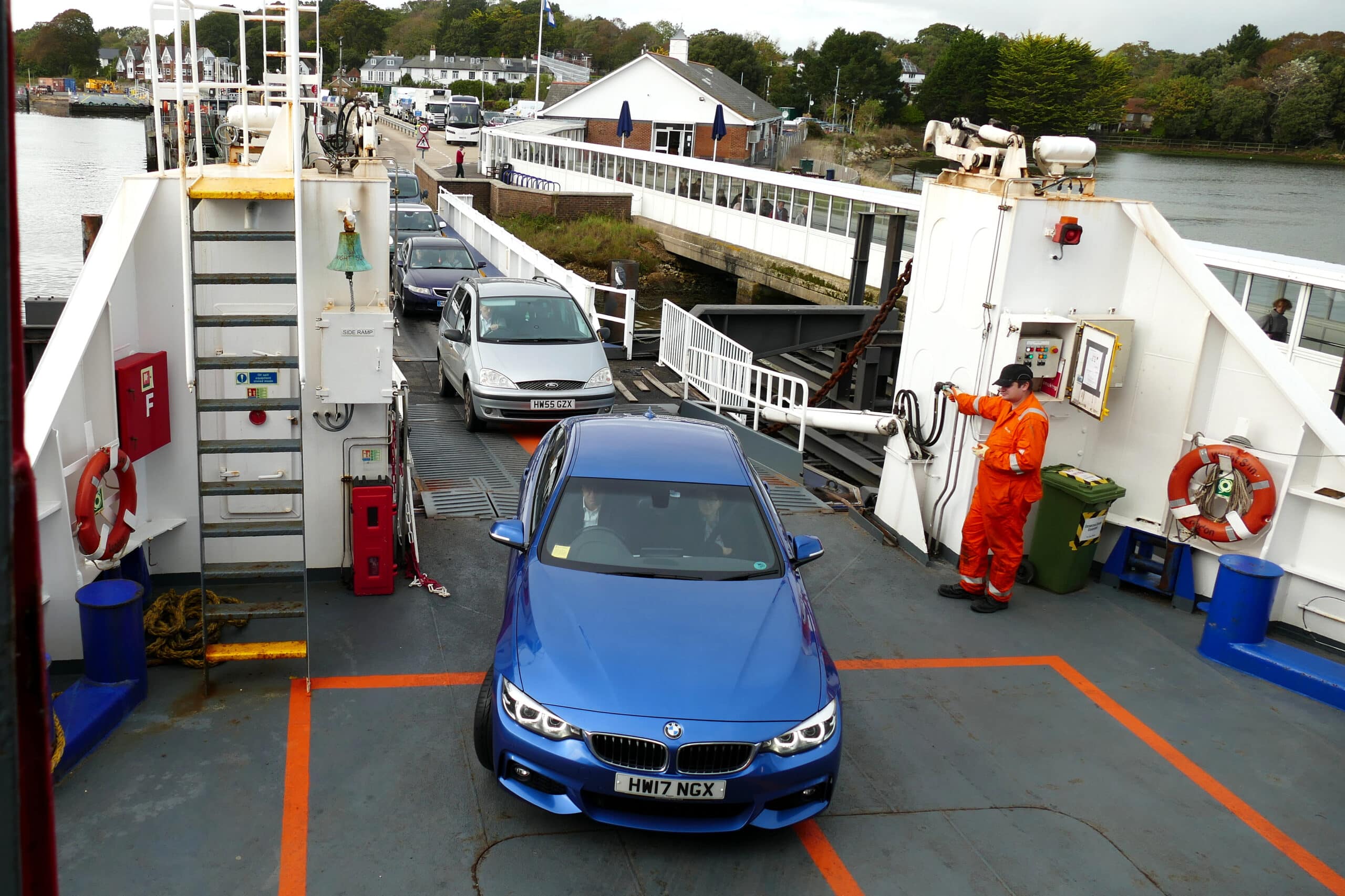
Your car sits stationary in the vehicle deck during the crossing, so your motor policy applies just as it would in a car park or driveway. The ferry operator carries its own liability insurance for damage caused during loading, transit, or unloading.
Where things get more complicated is what happens after you drive off the ferry. Our guide on driving abroad with UK car insurance covers the full picture, but the key point is this: many UK policies reduce your cover once you cross the Channel.
No. Your car sits stationary on the vehicle deck and your normal policy applies, with the operator carrying its own liability for loading and unloading. The question worth asking is about the other end: many UK policies drop to the third-party legal minimum once you are abroad, so the crossing is the easy part and the driving after it is where you can be underinsured.
Compare car insurance quotes and check your European cover level.
- What does your UK insurance actually cover during a ferry crossing?
- Does your cover level change when you drive abroad after the ferry?
- Do you still need a green card for European ferry crossings?
- Which ferry routes are covered by standard UK insurance?
- What extra cover should you consider before a ferry trip?
- How do you check your cover before booking a ferry?
- Frequently asked questions (FAQs)
What does your UK insurance actually cover during a ferry crossing?
Your vehicle remains insured throughout the crossing under the same policy terms that apply at home. The car is being transported, not driven, so your motor insurance treats it the same way as any other period when the vehicle is stationary.
Who is liable if your car is damaged on the ferry?
| Scenario | Who covers it | What to do |
| Ferry crew damages your car during loading or unloading | Ferry operator’s liability insurance | Report to crew immediately and photograph the damage before leaving the vehicle deck |
| Your car is damaged by movement during rough seas | Ferry operator if vehicle was properly secured | Report to the purser’s office during the crossing |
| You scratch your car while parking on the vehicle deck | Your own motor insurance (subject to excess) | Claim on your policy as you would for any accidental damage |
| Theft from your vehicle during the crossing | Your motor policy if comprehensive, or travel insurance for personal items | Report to ferry security and file a claim with your insurer |
Take photographs of your car before and after the crossing. If you notice new damage when returning to the vehicle deck, report it to the crew before you drive off.
Once you leave the ship, proving the damage happened on board is much harder. Ferry companies typically require claims to be lodged before disembarkation.
Does your cover level change when you drive abroad after the ferry?
Often, yes. Many UK fully comprehensive policies reduce to third-party only cover once you start driving in another country.
This is the part that catches most travellers off guard.
What is the practical difference?
With third-party only cover, you are insured for damage you cause to other people and their property. You are not covered for damage to your own vehicle, theft, or fire.
If you have an accident that is your fault while driving in France, your insurer pays the other driver’s costs but not yours. A repair bill for your own car comes out of your pocket.
Some policies drop to third-party fire and theft rather than TPO alone. This adds protection if your car is stolen or damaged by fire abroad, but still leaves you uncovered for accidental damage.
Check the territorial limits section of your policy before you travel. Some insurers maintain full comprehensive cover abroad for up to 90 days, while others drop to TPO the moment you leave the UK.
Do you still need a green card for European ferry crossings?
No. The UK government confirmed that green cards are not required for driving in EU or EEA countries.
The requirement was dropped in 2021 after a post-Brexit transition period.
When is a green card still needed?
You need one for non-EU destinations including Turkey, Albania, Moldova, Belarus, and Azerbaijan. If you take a ferry from Spain to Morocco, your UK insurance does not apply at all and you will need to buy local insurance at the border.
Since January 2025, UK motorists can use a digital green card shown on a mobile device. Contact your insurer to request one at least two weeks before your trip, and save a screenshot in case you lose signal at the border.
Which ferry routes are covered by standard UK insurance?
All crossings to EU and EEA countries are covered under the minimum legal requirements of your UK motor policy. This includes the Channel, North Sea, Irish Sea, and Atlantic routes.
What about the Channel Tunnel?
Eurotunnel crossings are covered in the same way as ferry crossings. Your vehicle is transported on a train rather than a ship, but the insurance position is identical.
UK domestic ferry routes are also covered. Crossings to Ireland, the Isle of Wight, Scottish islands, and the Channel Islands all fall within your policy’s standard territorial limits.
What about caravans and trailers?
If you are towing a caravan or trailer on the ferry, check whether your motor policy covers the trailer separately. Many policies do not, and you may need a standalone trailer insurance policy or a specific add-on.
The ferry operator’s liability extends to the trailer while it is on the vehicle deck, but your own motor policy may not cover accidental damage to the trailer once you start driving abroad.
What extra cover should you consider before a ferry trip?
European breakdown cover is the most important addition. Standard UK breakdown memberships from the RAC, AA, or Green Flag do not automatically include cover abroad.
What else is worth checking?
Legal expenses protection covers solicitor fees if you are involved in an accident abroad. Some comprehensive UK policies include this as standard, so check your documents before paying for an add-on.
Personal belongings cover is rarely included in motor policies. During a ferry crossing, your car is unattended on the vehicle deck for hours.
Take valuables with you to the passenger areas rather than leaving them in the car.
If you are borrowing a car for a trip abroad, temporary car insurance can provide short-term cover. Check that the policy includes European driving before you buy.
How do you check your cover before booking a ferry?
Call your insurer and ask three questions: does your policy cover your destination country, what level of cover applies abroad, and do you need a green card?
What documents should you carry?
- Insurance certificate showing European cover
- Green card if travelling to a non-EU country
- V5C registration certificate (logbook)
- Valid UK driving licence
- MOT certificate if the car is over three years old
- International Driving Permit if required by your destination
Some ferry companies ask for proof of insurance at check-in. Have your documents accessible in the car, not buried in the boot.
Our guide on UK car insurance and driving abroad covers the full documentation requirements for each European country.
Frequently Asked Questions (FAQs)
No. Both ferry crossings and Eurotunnel journeys to EU countries are covered by standard UK car insurance with no separate policy needed.
If the ferry operator causes the damage, their liability insurance covers it. If you cause damage yourself, your own motor policy applies subject to your excess.
Not always. Many UK comprehensive policies reduce to third-party only cover abroad, so check the territorial limits section of your policy before you travel.
No. Green cards are not required for EU or EEA countries and are only needed for non-EU destinations like Turkey, Albania, and Moldova.
Some hire companies allow ferry crossings, but many do not. Check your hire agreement before booking, as taking a hire car abroad without permission can void your cover.
Check with your insurer. Towing a caravan or trailer abroad may require additional cover or a separate policy for the trailer.