
Does Car Insurance Cover Pothole Damage?


Yes, if you have comprehensive insurance. Pothole damage is classified as accidental damage, so comprehensive policies cover it, and you can also claim compensation from your local council if they failed to maintain the road.
Third-party, fire and theft and third-party only policies do not cover pothole damage to your own vehicle. Only comprehensive insurance includes accidental damage cover.
The decision is not always simple. An insurance claim is fast but costs you in excess and no-claims discount, while a council claim is free but has a low success rate.
Yes on comprehensive, but that is often the worse of your two options. A council claim under the Highways Act costs you no excess and no no-claims discount, and it is worth trying first — provided you have photographs, measurements and a location. Councils win a lot of these by proving a reasonable inspection regime, so evidence is what decides it.
Compare comprehensive car insurance and keep the excess in reserve.
- How does a pothole insurance claim work?
- Can you claim compensation from the council instead?
- How do council claim success rates compare across the UK?
- Should you claim on insurance or the council?
- What types of pothole damage are covered?
- How can you reduce the risk of pothole damage?
- Frequently asked questions (FAQs)
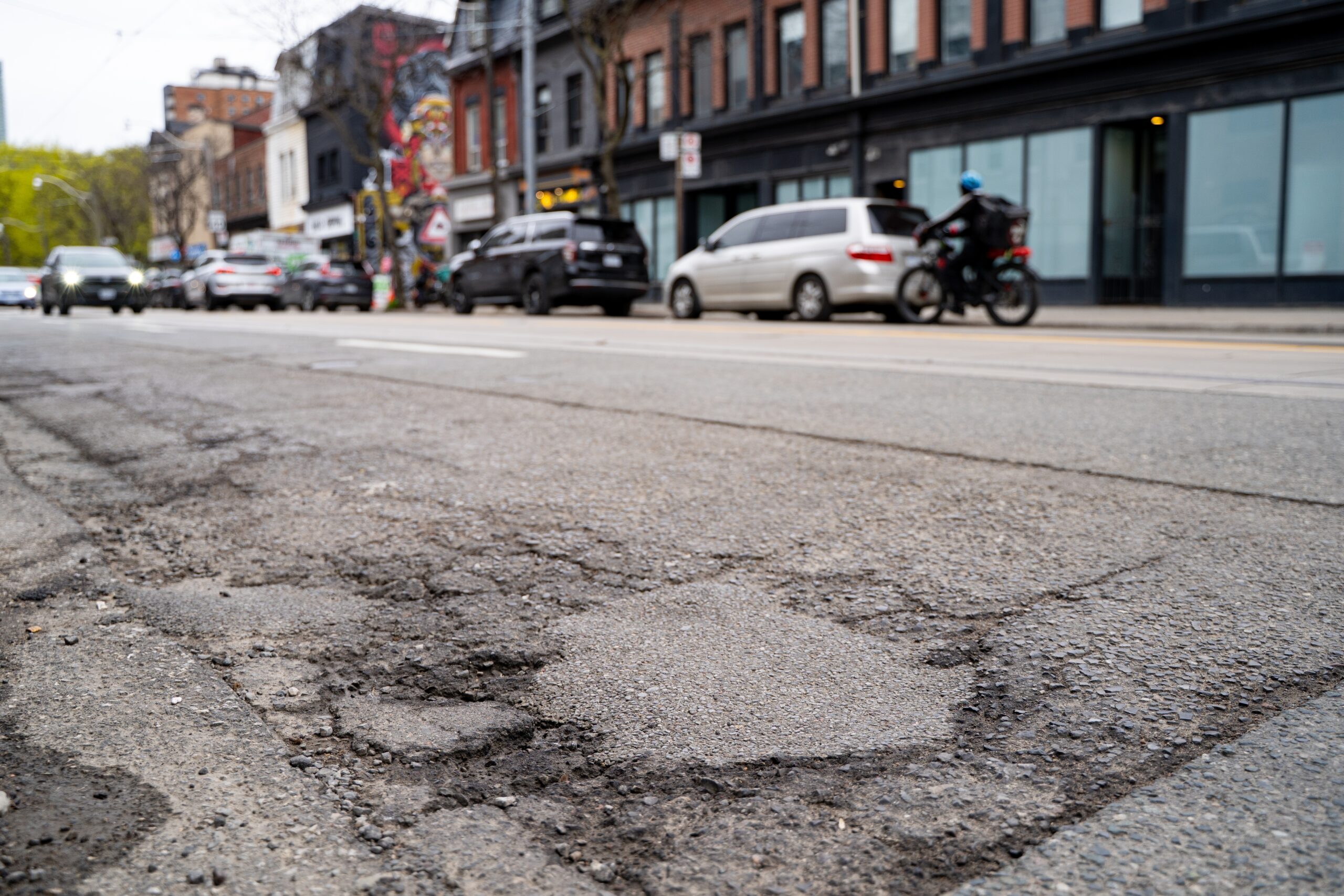
How does a pothole insurance claim work?
You report the damage to your insurer as accidental damage. Your comprehensive policy covers the repair minus your excess, but the claim is treated as at-fault because there is no third party to recover costs from.
What does the claim cost you?
You pay your policy excess, typically £200 to £500. Your no-claims discount is also reduced, which increases your renewal premium for up to five years.
For a £600 repair, a £300 excess means your insurer pays just £300. The NCD loss and premium increase over the following years can easily exceed that £300.
When is an insurance claim worth it?
| Repair cost | Excess (£300) | Insurer pays | Likely NCD impact | Better route |
| Under £300 | £300 | £0 (below excess) | None if no claim | Self-fund or council |
| £300-£600 | £300 | £0-£300 | NCD reduced, £400-£1,000+ over 3 yrs | Council claim first |
| £600-£1,500 | £300 | £300-£1,200 | NCD reduced, £400-£1,000+ over 3 yrs | Borderline |
| £1,500+ | £300 | £1,200+ | NCD reduced, £400-£1,000+ over 3 yrs | Insurance claim |
Can you claim compensation from the council instead?
Yes, and a council claim does not affect your insurance, NCD, or renewal premium. However, councils reject the large majority of pothole compensation claims.
What do you need to prove?
You must show the council was negligent, meaning they knew about the pothole (or should have known) and failed to repair it within a reasonable time.
Councils can use the Section 58 defence under the Highways Act 1980 to avoid liability if they can demonstrate a systematic inspection and repair programme. This is why many claims are rejected.
How do you build a strong claim?
Photograph the pothole with something for scale, noting the depth, width, and exact location using the road name or GPS coordinates. Photograph the vehicle damage from multiple angles on the same day.
Check whether the pothole has been reported before using the council’s reporting system or FixMyStreet. A history of complaints strengthens your case because it undermines the Section 58 defence.
Get repair quotes from at least two garages and submit a formal claim to the council’s highways department with all your evidence.
How do council claim success rates compare across the UK?
Success rates vary dramatically by region. Councils receive tens of thousands of pothole claims a year and settle only a minority of them.
Why is there such a wide gap?
Some authorities settle a majority of the claims they receive while others reject almost all of them, and the gap comes down to how well each council documents its inspection and repair regime. Where a council does pay, the offer is often below the full repair cost.
What if your council rejects the claim?
Escalate through the council’s formal complaints process. If that fails, you can take the claim to the small claims court for amounts under £10,000.
Small claims court fees range from £35 to £455 depending on the claim value. You do not need a solicitor, and the entire process is designed for individuals to represent themselves.
Should you claim on insurance or the council?
Try the council first for damage under £1,500. A council claim is free, does not affect your insurance record, and costs nothing if it fails.
What is the best strategy?
Document everything at the scene immediately, then submit a council claim. If the council rejects it or offers less than the repair cost, you can still claim on your insurance as a fallback.
For expensive damage above £1,500, consider claiming on insurance immediately while also submitting a council claim. Our car insurance costs guide explains how at-fault claims affect your renewal premium.
What types of pothole damage are covered?
Comprehensive insurance covers suspension damage, wheel damage, tyre blowouts, steering rack damage, and bodywork damage caused by potholes. Damage from a road defect is accidental damage, which sits within standard comprehensive cover.
Are there any exclusions?
Some insurers exclude tyre damage from pothole claims, treating punctures and sidewall bulges as wear and tear rather than accidental damage. Check your policy wording before assuming a tyre claim will be accepted.
Damage that results from poor vehicle maintenance, such as worn suspension components that fail when hitting a pothole, may also be rejected.
What about damage on private land?
Your car insurance covers pothole damage regardless of where it happens. If the pothole is on private land such as a supermarket car park, the landowner’s public liability insurance may be liable.
You can claim against the landowner separately through their insurer. This does not affect your car insurance.
How can you reduce the risk of pothole damage?
Slow down on roads in poor condition. The faster you hit a pothole, the more force is transferred to your wheels, tyres, and suspension.
What practical steps help?
Scan the road ahead for holes, cracks, and standing water, which often hides deep potholes. Maintain correct tyre pressures because under-inflated tyres are more vulnerable to sidewall damage.
Avoid swerving suddenly to dodge a pothole, as this can cause a collision or send you into oncoming traffic. Our tips to lower your premium include advice on managing your overall motoring costs.
Should you use a dashcam?
A forward-facing dashcam records the exact moment of impact and proves the pothole caused the damage. This strengthens both insurance and council claims.
Dashcam footage showing the size and depth of the pothole at the moment you hit it is difficult for a council to dispute. It also helps your insurer process the claim faster.
Frequently Asked Questions (FAQs)
Yes, because pothole damage is classified as accidental damage. However, the claim is treated as at-fault and will affect your no-claims discount and renewal premium.
Yes, if the council was negligent in maintaining the road. You need photographs, evidence the pothole was previously reported, and repair quotes from at least two garages.
Only a minority of council claims succeed, and payouts often fall short of the full repair bill. Success rates vary widely between councils.
Yes, because your insurer treats it as an at-fault claim. There is no third party to recover costs from, so your NCD is reduced and your renewal premium increases.
Beyond a simple tyre puncture, repairs commonly run into the hundreds. Suspension and wheel damage can cost £1,000 to £2,000 depending on the vehicle and components affected.
Try the council first for moderate damage, as it does not affect your insurance. Use your insurance for expensive damage where the repair cost substantially exceeds your excess.