
Does Car Insurance Cover Scratches?


Yes, if you have comprehensive insurance. Comprehensive cover includes accidental damage to your own vehicle, so scratches from parking incidents, vandalism, weather, and collisions are all covered.
Third-party, fire and theft and third-party only policies do not cover scratches to your own car. They only pay for damage you cause to other people’s vehicles and property.
However, claiming for a minor scratch is rarely worth it. The excess payment and the impact on your no-claims discount usually cost more than the repair itself.
Yes on comprehensive, and almost never worth it. A typical scratch repair sits close to a typical excess, so the insurer pays little while you lose a no-claims discount worth far more over the following years. Claim when the damage is deep enough to need panel work, or when someone else is identified and at fault.
Compare comprehensive car insurance and do the arithmetic first.
- Which types of car insurance cover scratches?
- Should you claim on insurance for a scratch?
- How much do scratch repairs cost?
- What should you do if someone else scratches your car?
- Does claiming for a scratch affect your no-claims discount?
- How can you reduce the risk of scratches?
- Frequently asked questions (FAQs)
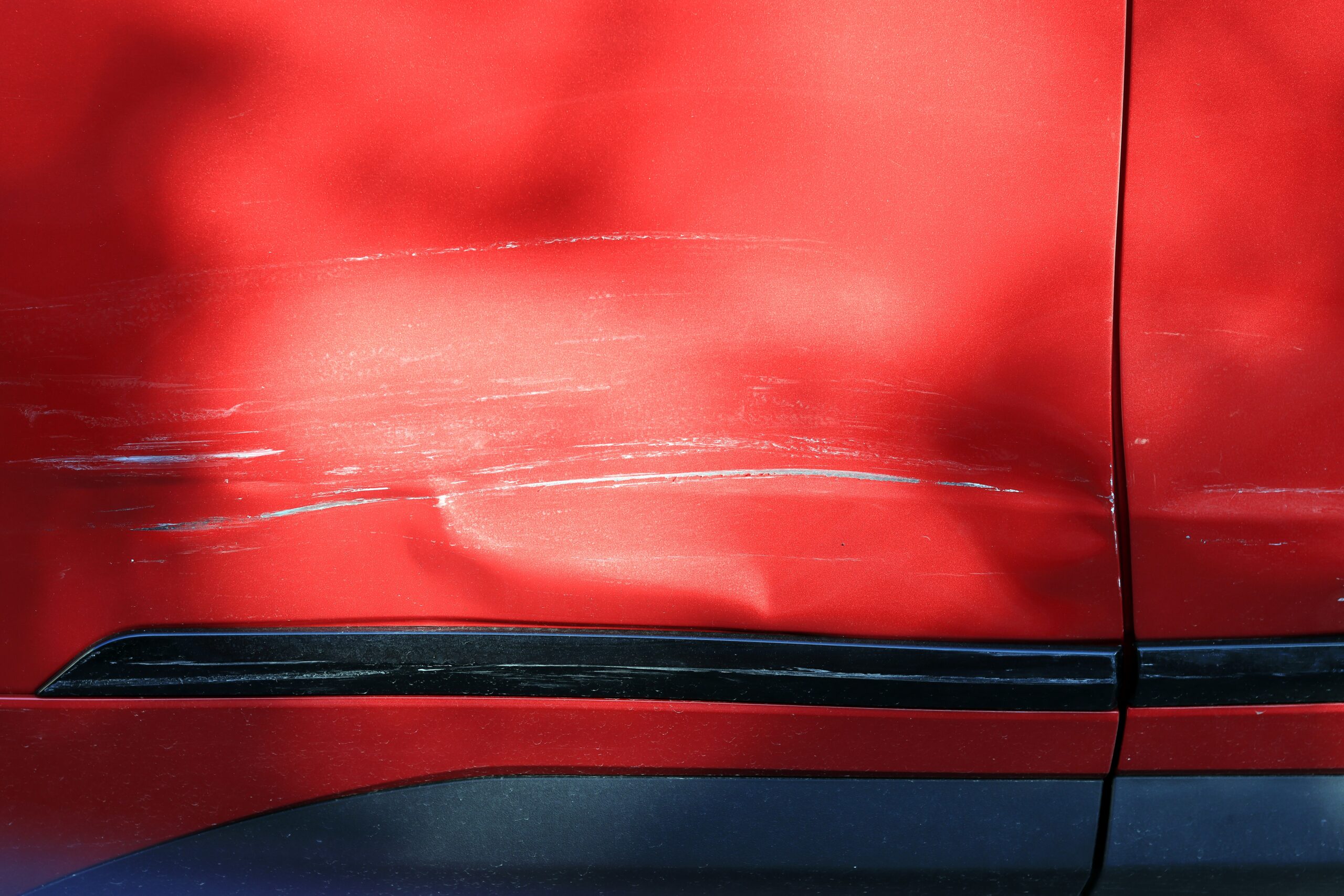
Which types of car insurance cover scratches?
Only comprehensive insurance covers scratches to your own vehicle. Accidental damage cover is built into every comprehensive policy and includes scratches from any cause.
What counts as accidental damage?
Scratches from car park incidents, collisions with bollards or posts, shopping trolley impacts, branch and hedge scrapes, and weather damage such as hailstones. All of these fall under accidental damage.
Vandalism scratches, including keying, are also covered under comprehensive policies. Most insurers classify vandalism as accidental damage because it was not caused by the policyholder.
What is not covered?
Wear and tear is excluded. Scratches from normal use, such as gradual paint fading, stone chips from regular driving, or minor scuffs that develop over time, are not insurable events.
Scratches you cause deliberately are also excluded. If your insurer suspects you damaged your own vehicle to make a fraudulent claim, they can void your policy entirely.
Should you claim on insurance for a scratch?
For most minor scratches, no. The excess payment plus the loss of your no-claims discount usually costs more than paying for the repair yourself.
How does the cost comparison work?
Your excess is the amount you pay before the insurer covers anything, typically £250 to £500 on a comprehensive policy. If a scratch costs £200 to fix, there is nothing to claim.
If the repair costs £400 and your excess is £300, the insurer pays just £100. But losing your no-claims discount could add £200 to £500 to your annual premium for up to five years.
When does claiming make sense?
| Repair cost | Excess (£300) | Insurer pays | NCD impact over 3 years | Better option |
| Under £300 | £300 | £0 | None if no claim made | Self-fund the repair |
| £300-£600 | £300 | Up to £300 | £400-£1,000+ | Self-fund unless over £500 |
| £600-£1,500 | £300 | £300-£1,200 | £400-£1,000+ | Claim worth considering |
| £1,500+ | £300 | £1,200+ | £400-£1,000+ | Claim on insurance |
The rule of thumb: if the repair costs less than double your excess, self-funding is almost always cheaper.
How much do scratch repairs cost?
Costs range from £50 for a surface polish to over £2,000 for deep scratches across multiple panels. The severity determines whether the scratch needs polishing, touch-up paint, or a full panel respray.
What do different repair types cost?
Surface scratches in the clear coat only can be removed by machine polishing for £50 to £150. These never penetrate the colour layer and are never worth claiming for.
Medium scratches through to the primer need touch-up paint or localised respraying. A single panel respray costs £150 to £400, with metallic and pearlescent paints at the higher end.
What about deep and vandalism scratches?
Deep scratches down to bare metal need filling, priming, and respraying at £300 to £800 per panel. Exposed metal also needs prompt attention to prevent rust forming.
Keying damage typically spans multiple panels and costs £500 to £2,000 or more to repair. These higher costs make vandalism scratches the most likely to justify an insurance claim.
The Motor Ombudsman can help resolve disputes with repair garages over quality or pricing.
What should you do if someone else scratches your car?
If you can identify the person who scratched your car, you claim against their insurance. This is a non-fault claim and does not affect your no-claims discount or premium.
What if the other driver is present or left a note?
Exchange details including name, address, registration, and insurer. Contact their insurer directly to start a third-party claim.
Keep photographs of both vehicles, the damage, and the location. Record the date, time, and any witnesses in case the other driver disputes liability.
What if they drove off or it was vandalism?
For hit-and-run damage, report the incident to the police and get a crime reference number. Claim on your own comprehensive insurance, but be aware this is treated as an at-fault claim.
For vandalism, report to the police on 101 and get a crime reference number before contacting your insurer. Check for CCTV footage from nearby cameras, as identifying the vandal lets you pursue a non-fault claim instead.
Does claiming for a scratch affect your no-claims discount?
Yes, because scratch claims are treated as at-fault when there is no third party to recover costs from. Insurers treat any claim where they cannot recover the payout from someone else as at-fault, regardless of whether you were to blame.
How much does it cost you long-term?
Losing your NCD can increase your annual premium by 30% to 75% depending on how many years of discount you had built up. Our car insurance costs guide explains how claims history affects your renewal price.
Protected no-claims discount policies allow you to make one or two claims per year without losing your discount. However, your insurer can still increase your base premium at renewal, even with NCD protection.
How can you reduce the risk of scratches?
Most scratches happen in car parks and on narrow streets. Simple parking habits reduce the risk and save money on both repairs and insurance premiums.
What practical steps help?
Park further from entrances where there are fewer cars and more space between vehicles. Choose end spaces where you only have one car alongside you.
Use your parking sensors and cameras when manoeuvring, and avoid tight spaces where other drivers opening their doors could scratch your paintwork.
Is paint protection worth the cost?
Paint protection film for bumpers and door edges costs £200 to £500 and prevents many minor scratches entirely. For high-value vehicles, this is cheaper than a single panel respray.
Ceramic coating at £300 to £1,000 adds a harder surface layer that resists light scratches. Neither product is a substitute for insurance but both reduce the frequency of cosmetic damage.
Frequently Asked Questions (FAQs)
Yes, because comprehensive insurance includes accidental damage cover. Scratches from parking incidents, collisions, vandalism, and weather are all covered, subject to your excess.
Usually not, because the excess payment plus the loss of your no-claims discount costs more than the repair. Self-fund repairs under £500 unless you have protected NCD.
Surface polishing costs £50 to £150, a single-panel respray costs £150 to £400, and deep scratches requiring filling and priming cost £300 to £800 per panel.
Yes, because scratch claims are treated as at-fault when there is no third party to recover costs from. Your NCD is reduced and your premium increases at renewal.
Report the vandalism to the police on 101 and get a crime reference number. If the repair cost is well above your excess, claim on your comprehensive insurance with the crime reference.
If the scratch has only affected the clear coat and not the colour layer underneath, machine polishing can remove it completely for £50 to £150. Deeper scratches need repainting.