
What Is Black Box Insurance?


Black box insurance is a type of car insurance that uses a small device or smartphone app to monitor your driving. Safe drivers pay less at renewal because the insurer prices your policy on how you actually drive, not just your age and postcode.
The technology is also called telematics insurance. It is most popular with young drivers and new drivers who face high premiums based on statistical risk alone. According to the ABI, around 78% of drivers aged 17 to 20 can get cheaper insurance with a telematics policy compared to a standard one.
This guide covers how the technology works, what data insurers collect, who saves the most, and what to consider before signing up.
Black box insurance monitors your driving and rewards safe habits with lower premiums. Young drivers save the most, with discounts of 20% to 40% common after a year of good scores.
Compare black box insurance quotes to see how much safe driving could save you.
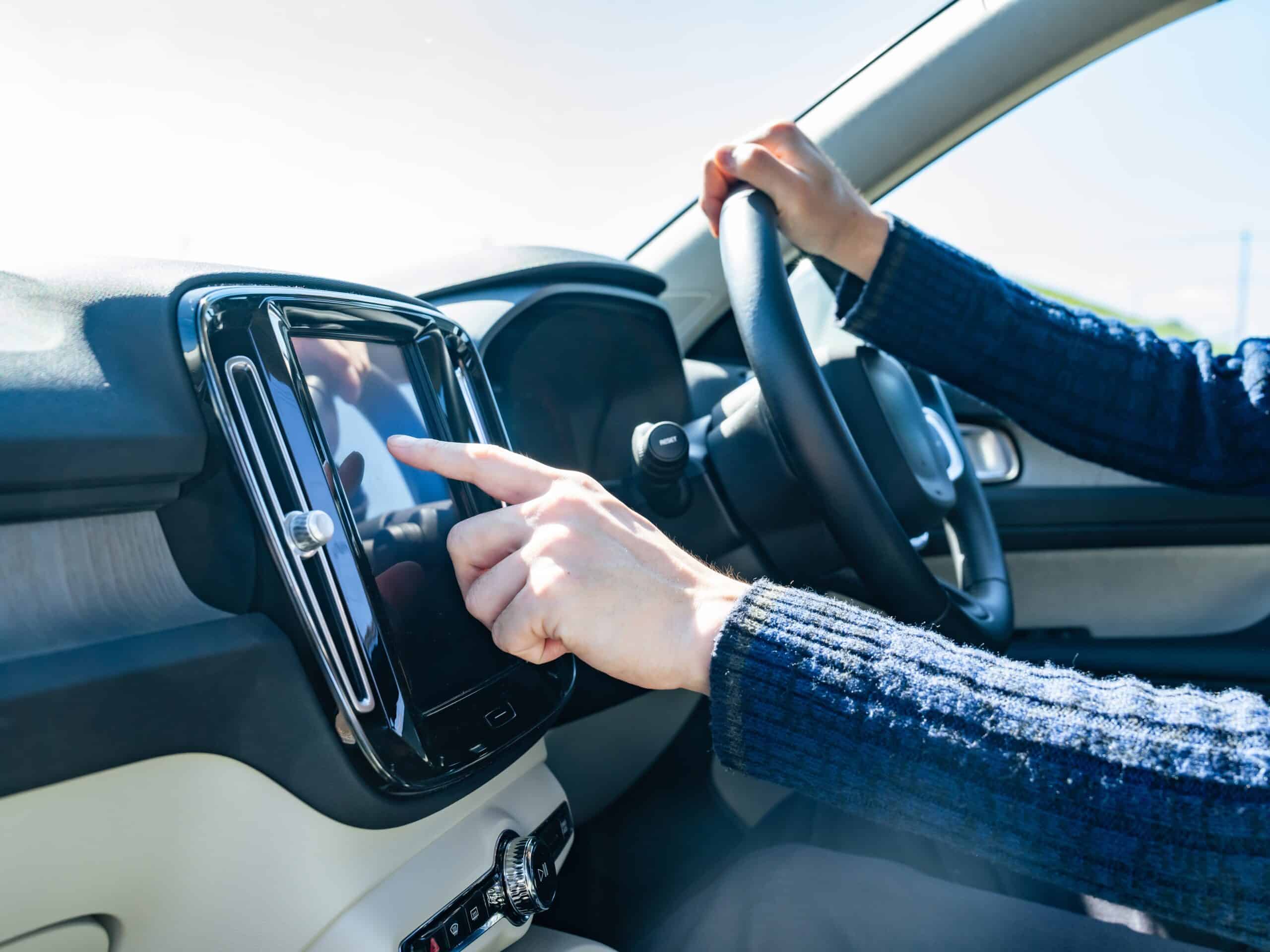
How does black box insurance work?
A black box records your driving behaviour and sends the data to your insurer, who scores your driving and adjusts your premium at renewal based on how safely you drive.
The device or app uses GPS and motion sensors to track speed, braking, acceleration, cornering, and the times you drive. Your insurer builds a driving profile over the policy term.
Physical device vs smartphone app
Some insurers fit a small box behind the dashboard or under the bonnet. Others use a smartphone app that runs in the background. Both track similar data points.
App-based telematics is growing because there is no installation appointment. Physical devices tend to be more accurate because they stay connected to the vehicle and are not affected by phone battery or signal.
What happens with your driving score?
Most providers give you a driving score through an app or online portal. A consistently good score earns a discount at renewal. A poor score may mean no discount, and some insurers can increase the renewal premium or cancel the policy for persistently dangerous driving.
What data does a black box collect?
Black boxes collect detailed driving behaviour data including speed, braking patterns, acceleration, cornering, journey times, distance, and sometimes location.
| Data point | What it measures | Impact on score |
| Speed | Whether you stay within limits consistently | High – speeding heavily penalised |
| Braking | How smoothly you slow down, including harsh braking | Medium – frequent harsh braking lowers score |
| Acceleration | How aggressively you pull away | Medium – smooth acceleration rewarded |
| Cornering | How sharply you take turns and roundabouts | Low to medium – varies by insurer |
| Time of driving | Late-night journeys (typically 11pm to 5am) | High – night driving is statistically riskier |
| Distance | Total miles driven over the policy term | Medium – lower mileage generally lowers risk |
Privacy and your data rights
Telematics data is personal information protected by the UK GDPR. Your insurer must tell you what data they collect, how they use it, and how long they keep it. You can request a copy of your data and ask for deletion when the policy ends.
The Data (Use and Access) Act 2025 strengthens consumer data rights further. Before taking out a telematics policy, read the insurer’s privacy notice carefully and check who has access to your driving data.
Who saves the most with black box insurance?
Young drivers aged 17 to 25 save the most because they face the highest standard premiums. A 17-year-old paying £2,200 or more for standard cover could cut that by 20% to 40% with consistently safe telematics scores.
| Driver profile | Typical annual premium (standard) | Estimated saving with telematics |
| 17-year-old, just passed | £2,200+ | £440 to £880 (20–40%) |
| 19-year-old, 1 year NCD | £1,500+ | £300 to £600 (20–40%) |
| 21-year-old, 2 years NCD | £900+ | £180 to £360 (20–40%) |
| 25-year-old, clean record | £600+ | £120 to £180 (20–30%) |
| 40-year-old, long NCD | £350+ | Minimal – standard premium already low |
Savings compound over time. A good first year of telematics data combined with a year of no claims means your second-year renewal drops further. After two or three years of safe driving data, some drivers move to standard policies at competitive rates.
Other drivers who benefit
New drivers with no claims history can prove safe driving from day one. Low-mileage drivers are rewarded because less time on the road means lower risk. Learner drivers practising in a parent’s car can also use telematics to build a track record before they pass their test.
What are the drawbacks of black box insurance?
Telematics is not right for everyone. The main trade-offs are privacy, driving restrictions, score anxiety, and cancellation costs.
Privacy concerns
Some drivers are uncomfortable with an insurer knowing where they drive and when. App-based systems require location permissions on your phone, which can feel intrusive.
Late-night driving penalties
Many telematics policies penalise driving between 11pm and 5am. If you regularly drive late for work or social reasons, your score will drop regardless of how safely you drive during those hours.
Score anxiety
Constantly checking a driving score creates stress for some people. A score drop after braking hard to avoid a hazard can feel unfair, even though the system is measuring overall patterns rather than individual events.
Early cancellation costs
Cancelling a telematics policy early may cost more than a standard policy, particularly if a physical device needs removing. Check the cancellation terms and excess details before committing.
Is black box insurance better than standard cover?
For most young and new drivers, yes. If you drive safely and do not regularly drive late at night, telematics will almost certainly save you money over a standard policy.
| Factor | Black box | Standard policy |
| Pricing basis | Your actual driving behaviour | Age, postcode, vehicle, claims history |
| Savings potential | 20–40% for safe young drivers | Limited to NCD and shopping around |
| Privacy | Insurer tracks driving data | No driving data collected |
| Late-night driving | May lower your score | No impact on premium |
| Cancellation | May include device removal fee | Standard cancellation terms |
| Best suited to | Young, new, or low-mileage drivers | Experienced drivers with long NCD |
If you are over 25 with a clean record and several years of no-claims bonus, a standard third-party or comprehensive policy is usually cheaper already. Compare both options with a car insurance quote to see which works out better for your situation.
How do you get black box insurance?
Getting a black box policy is the same as buying any car insurance. Compare quotes, choose a telematics option, and the insurer arranges the device fitting or app download after purchase.
When comparing quotes, look beyond the initial premium. Check what happens to your price at renewal if your score is good, what the cancellation terms are, and whether the insurer uses a physical device or an app. If you only need cover for a short period, temporary car insurance with telematics is also available from some providers.
Not all providers offer the same quality of telematics product. Some have better apps, fairer scoring algorithms, and clearer data dashboards than others. See our guide to the best black box insurers for new drivers for a detailed comparison.
You can also reduce your premium further by increasing your voluntary excess, adding a more experienced named driver, and keeping your annual mileage low.
Frequently asked questions (FAQs)
No. Most policies require the device to stay fitted for the full term. Removing it could breach your policy conditions and invalidate your cover. If you switch insurer at renewal, the new provider arranges removal or replacement.
It depends on the insurer. Some will not raise your premium mid-term but may withhold the renewal discount. Others can increase the renewal premium or, in extreme cases, cancel the policy. Check your specific policy terms before buying.
No. Your no-claims bonus works the same as a standard policy. You earn a year of NCD for each claim-free year. Telematics discounts are applied on top of any no-claims discount.
Under UK GDPR, you can request deletion of your personal data. Most insurers keep data for a limited period after the policy ends for regulatory and claims purposes. Contact your insurer to understand their retention policy.
Yes, if they are insured on your vehicle as a named driver. Their driving will be recorded and could affect your score. Some insurers let you flag when another driver is using the car so their journeys are excluded from your score.
No. There is no age restriction. Telematics is most popular with under-25s because they save the most, but any driver wanting to prove safe habits can benefit, particularly those with previous claims or convictions.
A physical device is usually fitted within one to three weeks of buying the policy. The appointment takes 30 to 60 minutes. App-based telematics requires no fitting. You download the app and it starts recording immediately.