
What Is Home Insurance?


Home insurance is a policy that protects your property and belongings against risks like fire, flood, storm damage, subsidence, theft, and vandalism. In the UK it comes in two forms: buildings insurance for the structure and contents insurance for what’s inside, and most homeowners buy both as a combined policy.
You don’t legally need home insurance in the UK, but mortgage lenders require buildings cover as a condition of the loan and most people with meaningful belongings add contents cover too.
This guide explains what home insurance covers, how claims work, what affects the price, and when you might need a specialist policy instead.
UK home insurance splits into buildings cover (the structure) and contents cover (your belongings), with most owner-occupiers buying both as a combined policy. It isn’t legally required, but mortgage lenders make buildings cover a condition of the loan.
Compare home insurance quotes to see where buildings and contents work out cheapest together.
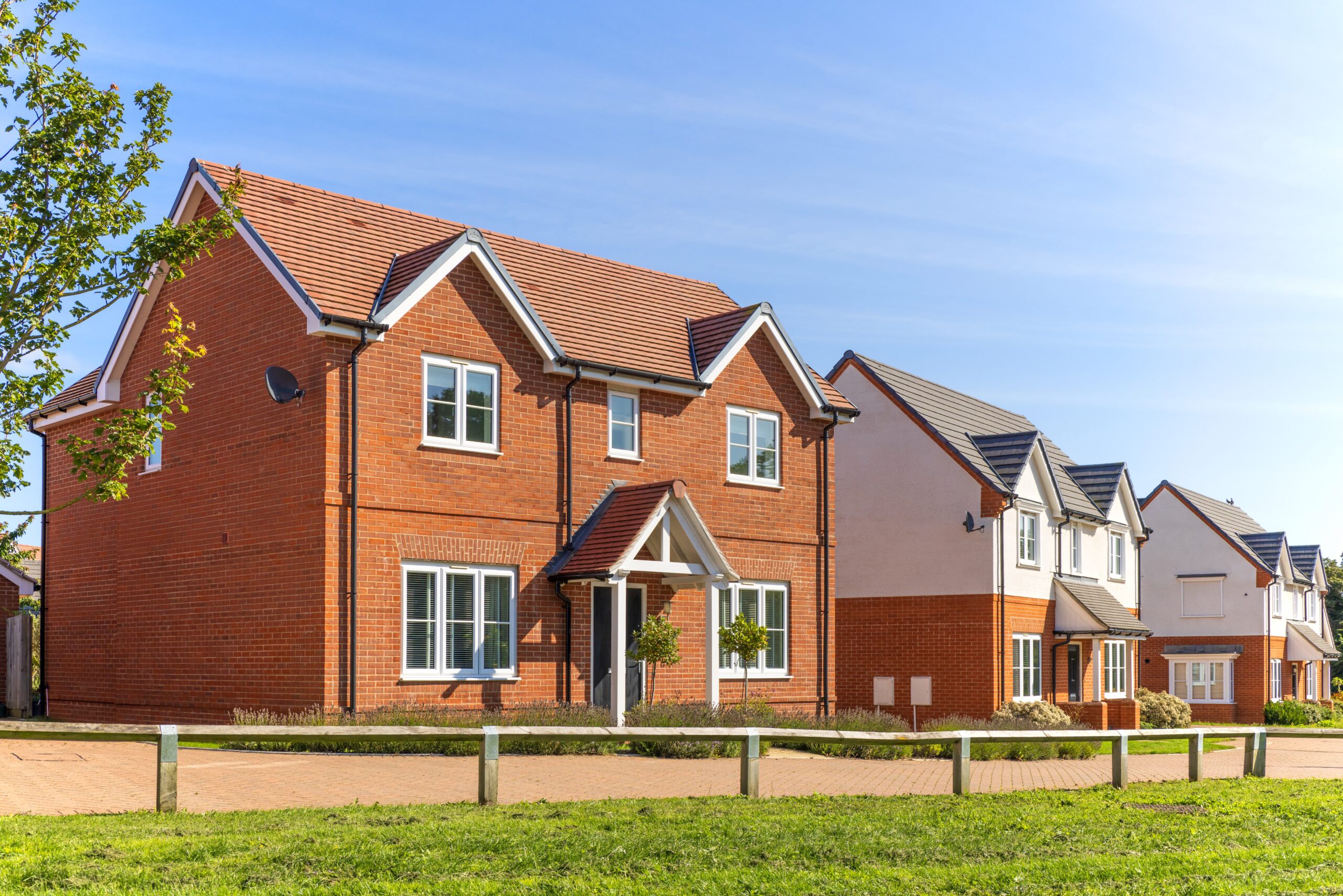
What does home insurance cover?
Home insurance covers physical loss or damage to your property and belongings from insured events. What’s protected depends on whether you hold buildings cover, contents cover, or both.
Buildings insurance
Buildings cover protects the permanent structure of your property: walls, roof, floors, fitted kitchens and bathrooms, plumbing, wiring, central heating, windows, and outbuildings like garages and sheds.
It pays for repair or rebuild costs after fire, flood, storm, subsidence, impact, burst pipes, and malicious damage. The sum insured should reflect the rebuild cost, not the market value.
Contents insurance
Contents cover protects moveable belongings inside the home: furniture, electronics, clothing, appliances, and kitchenware. It pays out for theft, fire, flood, and accidental damage where covered.
Standard contents cover doesn’t extend to items taken outside the home. For bikes, jewellery, phones, or laptops carried away from the property, you’ll need personal possessions or all-risks cover as an add-on.
Combined policies
Combined buildings and contents policies wrap both elements into a single product, usually with one excess and one renewal date. They tend to be cheaper than buying the two covers separately.
Combined cover is the default for most owner-occupiers. Tenants and leaseholders generally only need contents because the freeholder or landlord insures the structure.
| What’s covered | Buildings | Contents | Combined |
| Structure (walls, roof, floors) | Yes | No | Yes |
| Fitted kitchens and bathrooms | Yes | No | Yes |
| Furniture, electronics, clothing | No | Yes | Yes |
| Theft of belongings | No | Yes | Yes |
| Storm, flood, fire damage | Yes | Partial | Yes |
| Items taken outside the home | No | Add-on | Add-on |
Is home insurance a legal requirement in the UK?
No, there is no UK law requiring home insurance. If you have a mortgage, though, the lender will require buildings insurance as a condition of the loan.
Why mortgage lenders require it
Your lender has a financial interest in the property because it secures the loan. If fire or subsidence destroys the building without cover in place, the lender’s security disappears.
Some lenders will accept cover through their own insurance arm. Most let you arrange cover with any FCA-regulated insurer that meets their minimum terms.
When landlords need different cover
If you let the property out, standard home insurance won’t cover you. You’ll need landlord insurance, and if you have a mortgage you’ll usually need a buy-to-let policy that reflects the let status.
Letting on a standard home policy without telling your insurer is a material non-disclosure. It can void cover entirely at the point of a claim.
If you rent as a tenant
Buildings insurance is your landlord’s responsibility. You don’t need to insure the structure, but you should take renters contents cover to protect your own belongings against theft, fire, and escape of water.
How does claiming on home insurance work?
You notify the insurer, provide evidence of the loss, and they assess and settle by arranging repairs, replacing items, or paying the cash value minus your excess.
Step 1: Report the incident
Contact your insurer as soon as possible after the event. For theft, vandalism, or malicious damage you also report to the police and obtain a crime reference number.
Most policies require notification within 30 days. Delaying can complicate the claim or, in some cases, invalidate it entirely.
Step 2: Provide evidence
- Photos or video of the damage taken before any emergency repair
- Receipts, bank statements, or photos proving ownership of stolen or damaged items
- Repair estimates from qualified tradespeople for buildings claims
- Police crime reference number for theft or vandalism
Step 3: Loss adjuster for larger claims
For bigger buildings claims, your insurer may send a loss adjuster to inspect the damage, confirm the cause, and verify the rebuild or repair cost. Smaller contents claims are usually handled remotely.
Step 4: Settlement
The insurer either arranges the repairs directly, reimburses costs you’ve already paid, or pays the replacement value of lost items. Your excess is deducted from every payment.
What is not covered by home insurance?
Standard policies exclude gradual damage, poor maintenance, wear and tear, accidental damage (as standard), business use, unoccupied periods, and high-value items above single-item limits.
Common exclusions
| Exclusion | What it means | How to cover it |
| Wear and tear | Gradual deterioration from normal use | Not insurable, budget for it |
| Poor maintenance | Damage from neglected upkeep | Keep records of servicing and repairs |
| Gradual damage | Slow processes like rising damp | Address early, not an insured event |
| Accidental damage | Unintentional one-off damage | Optional add-on, usually 10-20% extra |
| Unoccupied property | Usually excluded after 30-60 days empty | Unoccupied property cover |
| Business use | Stock or equipment used for work | Business contents or commercial cover |
| High-value single items | Items above single-item limit (often £1,500) | List them separately on the policy |
Non-standard properties
Thatched roofs, flat roofs, timber frames, grade-listed buildings, and homes in flood zones often sit outside mainstream underwriting. A non-standard home insurance policy is usually the right fit for these cases.
Your duty to answer honestly
Under the Consumer Insurance (Disclosure and Representations) Act 2012, you must answer an insurer’s questions honestly and take reasonable care not to misrepresent your circumstances.
Careless or deliberate misrepresentation gives the insurer grounds to reduce, refuse, or void a claim, so always disclose previous claims, convictions, and material changes like business use or a tenant moving in.
What affects the cost of home insurance?
Premiums are based on the insurer’s view of claim risk. Location, property type, rebuild cost, security, claims history, excess level, and payment method are the main drivers.
Risk-based rating factors
- Location: postcode affects burglary, flood, subsidence, and weather risk
- Property type and age: older homes and non-standard construction cost more
- Rebuild cost and contents sum insured: higher sums mean higher premiums
- Claims history: claims sit on the CUE database for six years
- Security: approved locks, alarms, and smoke detectors cut the risk
Choices you can control
- Voluntary excess: raising it lowers the premium, but you pay more per claim
- Annual vs monthly: annual avoids the interest charge on monthly plans
- Add-ons: accidental damage, home emergency, and legal cover all increase the price
- Sum insured: don’t under-insure to save money, it can lead to proportional payouts
Flood risk and Flood Re
If your home is in a flood zone, check your risk level on gov.uk before buying. Most insurers price flood-zone homes through the Flood Re scheme, which caps the flood element of the premium by council tax band.
Renewal pricing rules
Since January 2022, the FCA’s General Insurance Pricing Practices rules have stopped insurers charging renewing customers more than an equivalent new customer for the same policy.
That doesn’t mean you shouldn’t shop around at renewal. Different insurers still price the same risk very differently, and switching can still save money.
When do you need specialist home insurance?
You need specialist cover if the property or your use of it falls outside a standard insurer’s appetite. The main cases are non-standard construction, listed properties, unoccupied homes, lets, and homes with a business use.
Non-standard construction
Thatched, timber-framed, flat-roofed, or concrete-built homes often need non-standard home cover, as mainstream insurers either decline the risk or load the premium heavily.
Listed buildings
Grade-listed properties need cover that accounts for like-for-like repair using traditional materials, which can push rebuild costs far above market value. Specialist heritage insurers handle this.
Landlords and buy-to-let
Letting a property needs landlord insurance, not home insurance. Buildings cover is usually included, plus loss of rent, property owner’s liability, and optional landlord contents cover for fixtures and furnishings you provide.
Unoccupied properties
If a home will sit empty for more than 30 or 60 days, cover usually lapses on a standard policy. Unoccupied property insurance handles extended voids for probate, renovations, or second homes.
Frequently asked questions (FAQs)
No, there is no UK law requiring home insurance. However, mortgage lenders require buildings insurance as a condition of the loan, and most buy-to-let lenders require it for rental properties.
Buildings insurance is your landlord’s responsibility. If you want to protect your belongings against theft, fire, or flood damage, you need your own contents insurance, because your landlord’s policy doesn’t cover your possessions.
Accidental damage is an optional add-on for unintentional one-off damage not covered as standard, like spilling wine on a carpet or drilling through a pipe. It typically adds 10-20% to the premium.
At least once a year at renewal, and again after changes like home improvements, major purchases, letting a room, starting a home business, or a change of address.
The excess is the amount you pay towards any claim before the insurer covers the rest. It has two parts, compulsory excess set by the insurer and voluntary excess you choose, and a higher voluntary excess lowers the premium.
Market value is what your home would sell for. Rebuild cost is what it would cost to reconstruct from scratch, and insurers rate buildings cover on the rebuild cost because that’s what they’d pay out after a total loss.
Standard contents insurance usually excludes business stock or equipment. If you work from home you’ll need a business use extension or dedicated business contents cover.
The Claims and Underwriting Exchange is a shared industry database where insurers record home and motor claims. Records sit on CUE for six years and you must declare them when asked on a quote.
Yes, though it may cost more and some insurers will exclude flood. Most flood-zone homes are priced through the Flood Re scheme, which caps the flood element of the premium by council tax band.
Usually yes. A claim on the CUE record typically increases premiums at renewal, even with the same insurer, and can restrict the insurers willing to quote you for the next six years.