
Is Home Insurance Mandatory In The UK?


No, home insurance is not a legal requirement in the UK. If you have a mortgage, your lender will require buildings insurance as a contractual condition of the loan, but it is not required by law.
UK home insurance splits into buildings cover (the structure) and contents cover (your belongings). Each is treated differently depending on whether you own outright, have a mortgage, rent, lease, or let the property.
This guide explains when cover is genuinely required, when it is only strongly advisable, and what happens if you go without.
Home insurance isn’t a legal requirement in the UK, but it is a contractual one if you have a mortgage: lenders demand buildings cover at full rebuild value for the life of the loan. Contents cover stays optional.
Compare home insurance quotes to lock in buildings cover at the rebuild value your lender requires.
- Do mortgage lenders require home insurance?
- Is contents insurance required?
- Do renters need home insurance?
- Do leaseholders need home insurance?
- Do landlords need home insurance?
- What happens if you don’t have home insurance?
- When is home insurance genuinely optional?
- Frequently asked questions (FAQs)
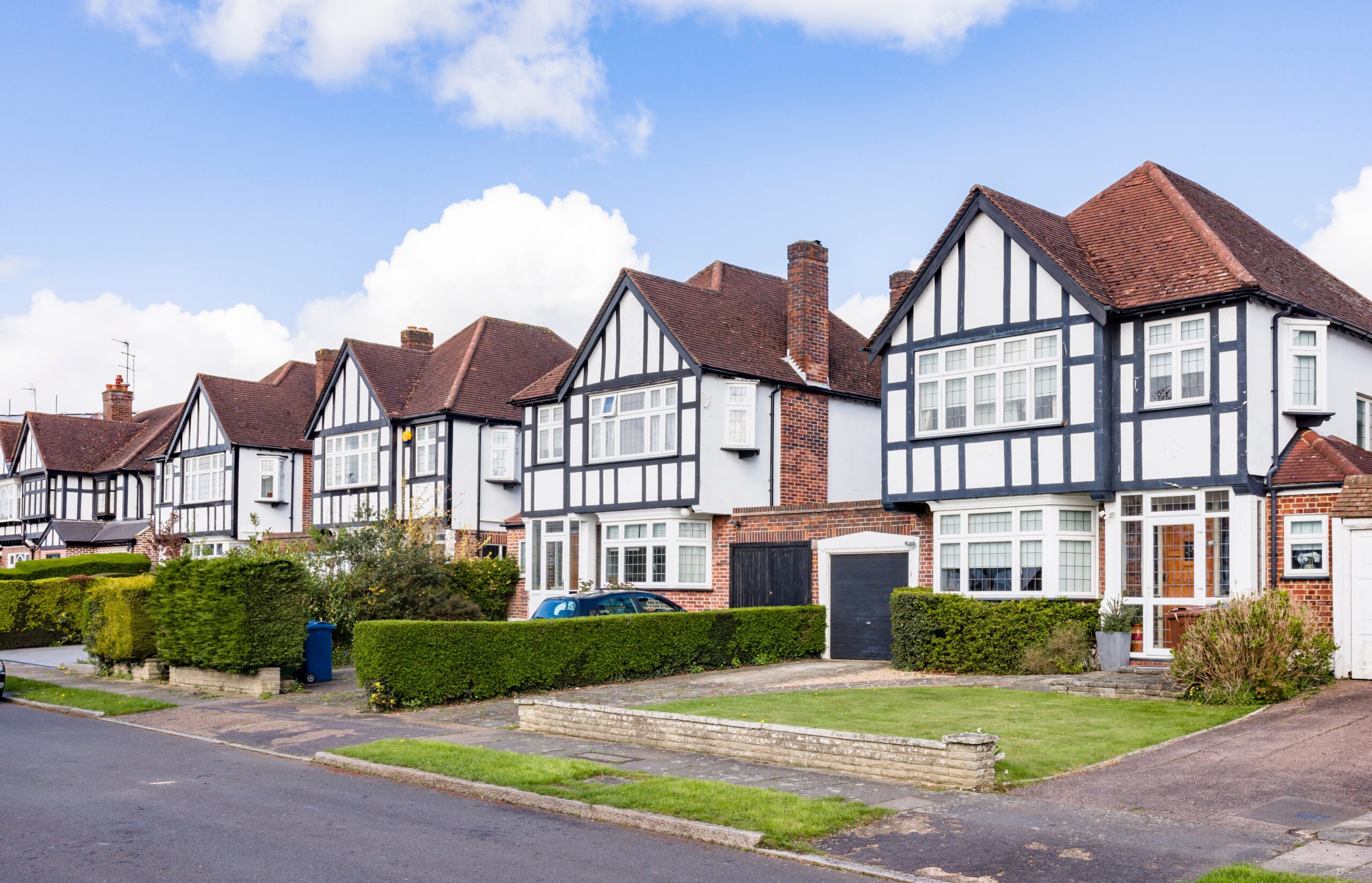
Do mortgage lenders require home insurance?
Yes. Virtually all UK mortgage lenders require buildings insurance as a condition of the loan, with cover in place before funds are released on completion.
Why lenders insist on buildings cover
The property is the lender’s security for the loan. If it is damaged or destroyed and there is no buildings insurance in place, the lender’s collateral is exposed.
Your mortgage deed will specify buildings cover for at least the full rebuild value, on a continuous basis, for the duration of the loan.
Rebuild value vs market value
Lenders care about the rebuild cost, not the market value. Rebuild is the estimated cost to reconstruct your home from scratch, including materials, labour, and professional fees, and it is usually lower than the market price because it excludes the land.
You can check your rebuild cost using the free ABI rebuilding cost calculator or by commissioning a RICS surveyor for bespoke properties.
What happens if your cover lapses
If your buildings insurance lapses during an active mortgage, your lender can arrange force-placed cover on your behalf and add the premium to your mortgage account. This cover is typically more expensive and narrower than a policy you choose yourself.
Is contents insurance required?
No, contents insurance is not required by law or by any UK mortgage lender. It is entirely optional for owners, tenants, and leaseholders.
Why most people still buy it
Buildings insurance does not cover your belongings. Contents insurance covers furniture, electronics, clothing, kitchenware, and everything else inside the home against fire, theft, flood, and escape of water.
Most households badly underestimate what their possessions are worth. Walking through room by room typically produces a replacement figure in the tens of thousands of pounds.
When contents cover is effectively required
Some tenancy agreements ask tenants to carry contents insurance, though this is uncommon. Social housing providers and specialist lets (student housing, serviced apartments) are more likely to include a contents clause.
Do renters need home insurance?
No, renters are not legally required to have home insurance, and buildings cover is the landlord’s responsibility. Tenants only need to think about contents insurance for their own belongings.
What your landlord’s policy covers
Your landlord’s insurance covers the structure, the communal parts, and any fixtures or furnishings the landlord owns. It does not cover your personal belongings under any circumstances.
Why tenants often take contents cover
If there is a fire, flood, or burglary, your possessions are only protected if you hold a tenant’s policy. Renters insurance is typically cheaper than owner-occupier contents cover because it excludes the structure.
Do leaseholders need home insurance?
No, leaseholders are not legally required to have home insurance. The freeholder or management company arranges buildings insurance for the whole building, and the cost is recovered through service charges.
Check the communal policy first
The communal buildings policy normally covers the structure, the external fabric, and the communal areas. It may not cover internal fixtures, decorations, or improvements inside your flat, so read the policy schedule in full.
The gov.uk leasehold guidance sets out your rights and obligations on insurance as a leaseholder.
What leaseholders usually buy themselves
You will need your own contents insurance for your belongings and, in many cases, additional cover for internal fixtures and fittings that sit outside the communal policy. Your lease sets out exactly where the freeholder’s cover ends and yours begins.
Do landlords need home insurance?
No, there is no legal requirement for landlords to carry landlord insurance. In practice, standard home insurance voids the moment a property is let, so specialist landlord cover is effectively required.
Buy-to-let mortgages require buildings cover
If you have a buy-to-let mortgage, your lender will almost certainly require buildings insurance as a condition of the loan, in the same way residential lenders do.
Why standard home cover won’t protect a let
Letting a property changes the risk profile entirely and triggers a policy exclusion on most residential home policies. Landlord insurance bundles buildings cover, landlord contents (for furnishings you provide), landlord liability, and loss of rent protection into a single policy.
What happens if you don’t have home insurance?
There is no legal penalty for going uninsured, but the financial consequences of an uninsured event can be severe. The biggest risks depend on whether you own outright, have a mortgage, or rent.
The main risks at a glance
| Scenario | Consequence without cover |
| Fire, storm, flood | You pay for rebuilding or repair out of pocket; costs typically £10,000 to £100,000+ |
| Burglary or theft | No financial recovery for stolen belongings unless you hold contents cover |
| Liability claims | You pay any compensation awarded if someone is injured on your property |
| Alternative accommodation | You pay hotel or rental costs while your home is uninhabitable |
| Mortgage default | Your lender can force-place cover or treat the breach as a default |
Unoccupied properties carry extra risk
If your home is empty for more than 30-60 consecutive days, standard cover often pauses or voids. An unoccupied property insurance policy closes that gap for probate, renovation, and extended absences.
When is home insurance genuinely optional?
Home insurance is only genuinely optional when you own your property outright, are not letting it to tenants, and your policy does not otherwise require cover.
The numbers still favour buying cover
Even without a legal or contractual obligation, the cost of buildings cover is modest next to the exposure. MoneyHelper and Citizens Advice both recommend maintaining cover for outright owners.
For most outright owners the question is not whether to insure but how much cover to arrange and which add-ons to include.
Non-standard homes need specialist cover
Thatched roofs, listed buildings, timber frames, and flood-prone homes are often declined by mainstream insurers. A specialist non-standard home insurance broker can usually place cover where comparison sites return no quotes.
Frequently asked questions (FAQs)
No, there is no UK legislation requiring homeowners, tenants, or landlords to hold home insurance. The only requirement comes from mortgage lenders, and that is a contractual condition rather than a legal one.
Yes, standard UK mortgage agreements require you to maintain buildings insurance for the duration of the loan. If your cover lapses, the lender can arrange force-placed insurance on your behalf and add the cost to your mortgage account.
It is not required, but it is strongly advisable because you would otherwise pay the full cost of rebuilding, repairs, or replacing belongings after a major event. Most outright owners continue to insure their property for this reason.
No, your landlord’s policy covers the structure and anything the landlord owns. Your personal belongings are only covered if you hold your own tenant’s contents policy.
Force-placed insurance is cover a mortgage lender arranges when the borrower’s policy lapses. It protects the lender’s interest in the property, usually costs more than a policy you arrange yourself, and typically offers narrower cover.
No, the freeholder arranges the buildings policy for the whole building and recovers the cost through your service charge. You should not buy a second buildings policy, but you do need your own contents cover.
No, going without home insurance is not illegal anywhere in the UK. The only risk is breaching a contract, such as your mortgage agreement or a tenancy clause, rather than breaking the law.
No, standard residential home insurance usually voids the moment the property is let to tenants, including short-term lets. You need specialist landlord insurance for any let property.