
7 Car Modifications That Increase Insurance Costs


The car modifications most likely to increase your insurance are engine tuning, lowered suspension, alloy wheels, body kits, aftermarket exhausts, audio upgrades, and window tinting.
Performance changes carry the steepest increases because they raise accident severity. Cosmetic changes add cost through higher replacement values and theft risk.
Insurers price policies based on three factors: how fast the car goes, how expensive it is to repair, and how attractive it is to thieves. Any modification that pushes one of these factors up will increase the premium.
This guide explains how each modification affects your premium, how much extra you can expect to pay, and what to do before fitting any aftermarket parts.
Every modification must be declared, no matter how minor. Failing to disclose even a cosmetic change can void your entire policy, and the Financial Ombudsman has ruled against drivers even when the undeclared mod had nothing to do with the claim.
Compare specialist modified car insurance quotes to find a fair price without the non-disclosure risk.
- Which car modifications increase insurance costs the most?
- How do engine and performance modifications affect insurance?
- Does lowered suspension increase car insurance?
- Do cosmetic modifications increase car insurance?
- How do audio and interior upgrades affect insurance?
- Do you have to declare modifications to your insurer?
- Frequently asked questions (FAQs)
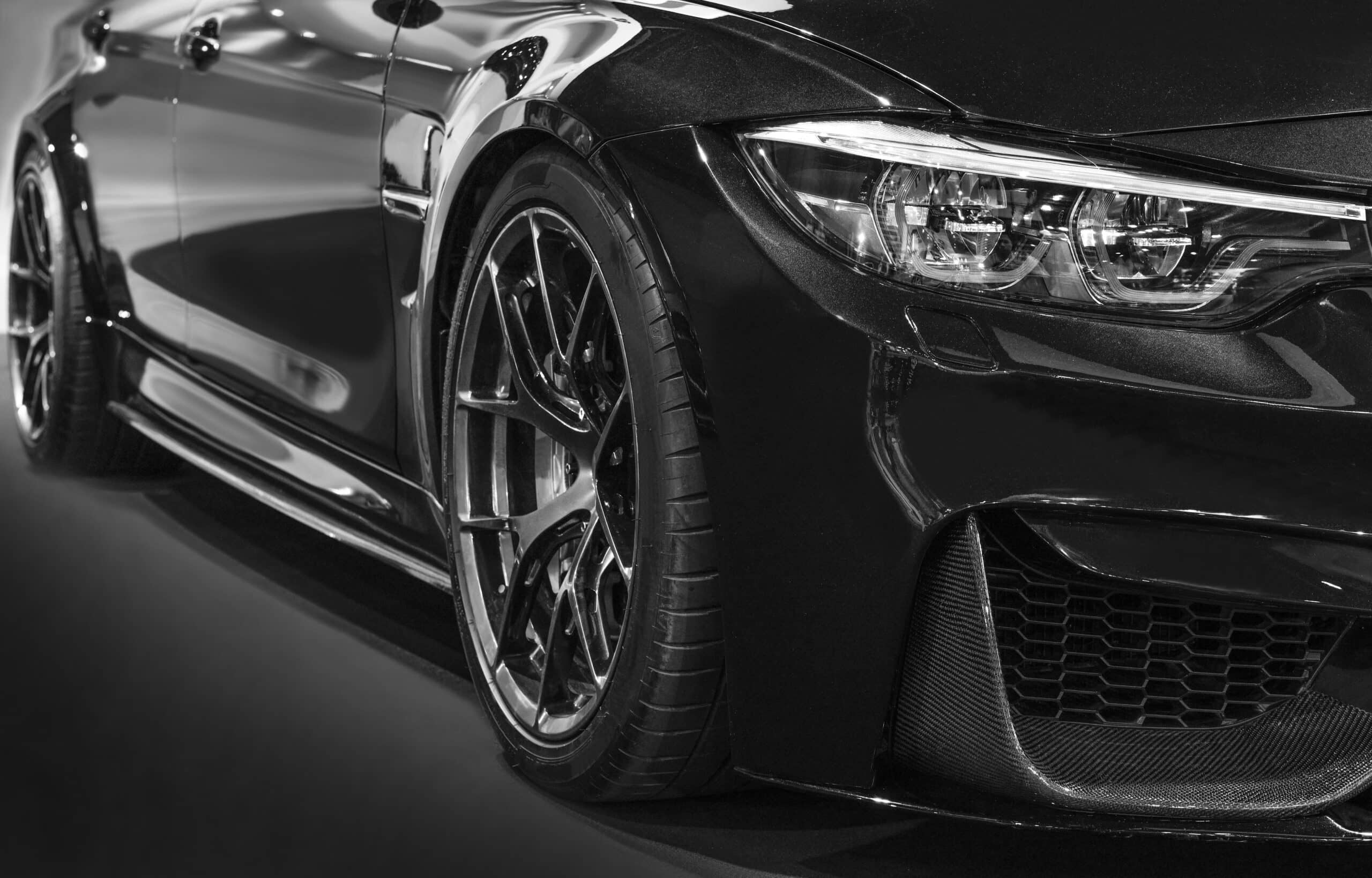
Which car modifications increase insurance costs the most?
Engine tuning and performance upgrades carry the largest premium increases, often 20 per cent or more depending on the power gain. Cosmetic and exhaust modifications typically add 10 to 20 per cent, while audio and interior upgrades add 5 to 10 per cent.
| Modification | Typical premium increase | Main risk factor |
| Engine tuning / ECU remap | 20%+ (varies with power gain) | Accident severity |
| Lowered suspension | 10–20% | Undercarriage damage, repair cost |
| Alloy wheels | Small (varies by insurer) | Theft, replacement cost |
| Body kits and custom paintwork | 10–15% | Repair cost, theft appeal |
| Aftermarket exhaust | 10–20% | Performance signal, attention |
| Audio and interior upgrades | 5–10% | Theft, replacement cost |
| Window tinting | Minimal (legal) / policy void (illegal) | Visibility, legality |
Increases are not fixed. They vary between insurers and depend on the vehicle, the driver’s age, and the number of modifications combined.
How do insurers assess modifications?
Insurers use the vehicle’s original Group Rating Panel classification as a starting point, then apply a loading for each declared modification. Understanding how car insurance is calculated helps you see why a single engine remap can move your effective risk rating by several groups.
The Association of British Insurers sets the framework for how vehicles are rated, and modifications that change power output, repair cost, or theft risk all push the rating higher.
How do engine and performance modifications affect insurance?
Engine modifications have the biggest impact on insurance costs, with a standard ECU remap adding around 20 per cent or more to the premium. More aggressive upgrades like turbochargers can push the increase higher still.
ECU remaps and turbocharger upgrades
An ECU remap reprograms the engine’s computer to increase power, often adding 20 to 40 per cent more horsepower from the same engine. Turbocharger and supercharger upgrades have an even larger effect.
Insurers associate higher power with higher accident severity. A car that accelerates faster is statistically more likely to be involved in a serious collision, which is one reason young driver insurance is so expensive even before modifications are declared.
Aftermarket exhaust systems
Performance exhausts, including cat-back systems, decat pipes, and sports exhausts, signal a performance-oriented vehicle. Even a cosmetic exhaust upgrade that adds no power must be declared.
A louder exhaust also draws attention to the vehicle, increasing the chance of targeted theft or break-ins. Expect a premium increase of 10 to 20 per cent for most exhaust modifications.
Cold air intakes and performance air filters
A cold air intake or high-flow air filter adds modest power but is still classed as a modification. Even a £50 panel filter must be disclosed to your insurer.
The premium increase is smaller than for a remap or turbo upgrade, but it compounds when stacked with other modifications on the same vehicle. Young drivers face the steepest penalties because performance modifications are applied on top of an already high base premium.
Does lowered suspension increase car insurance?
Yes. Lowering your car’s suspension typically adds 10 to 20 per cent to the premium. Coilovers, lowering springs, and air suspension systems all count as modifications that must be declared.
Why insurers penalise lowered cars
A lower ride height increases the risk of undercarriage damage from speed bumps, potholes, and uneven road surfaces. The suspension components themselves are specialist parts that cost significantly more to replace than standard items.
Lowered cars also tend to sit in higher insurance groups once the modification loading is applied, because the combination of altered handling and higher repair costs increases the insurer’s expected payout.
Do cosmetic modifications increase car insurance?
Alloy wheels, body kits, custom paintwork, and vinyl wraps all increase insurance costs. They raise the vehicle’s replacement value and make it more attractive to thieves.
Alloy wheels and tyre upgrades
Aftermarket alloy wheels are one of the most popular modifications and one of the most commonly targeted by thieves. A set of premium alloys can cost two to three times more than standard wheels.
Larger diameter wheels with lower-profile tyres are also more vulnerable to pothole and kerb damage. The premium increase for alloys alone is often small, but it compounds when combined with other cosmetic changes on the same vehicle.
Body kits, paintwork, and wraps
Spoilers, side skirts, front splitters, wide arches, and bumper replacements change the car’s appearance and increase repair costs. Modified body panels require specialist sourcing and fitting after an accident.
Custom paintwork and vinyl wraps also fall into this category. Any cosmetic change that makes the vehicle more distinctive increases theft appeal and must be declared. Expect a combined increase of 10 to 15 per cent for significant cosmetic work.
Window tinting
Aftermarket window tinting must be declared even when it is within legal limits. GOV.UK sets out the rules: the front windscreen must allow at least 75 per cent of light through, and the front side windows at least 70 per cent. Rear windows can be tinted to any level.
Legal tinting typically has a minimal effect on the premium, and some insurers charge nothing at all. Tinting that exceeds the legal limits on the front windscreen or front side windows can invalidate your comprehensive cover entirely, leaving you uninsured.
How do audio and interior upgrades affect insurance?
Custom audio systems, upgraded seats, and specialist interior trim add value to the vehicle, and that increased value means higher insurance costs. A high-end audio system worth £2,000 or more is a theft target in its own right.
Theft risk and replacement costs
If the vehicle is broken into, the insurer pays to replace both the stolen equipment and any damage caused during the theft. Custom electronics integrated with the vehicle’s systems also require specialist technicians, increasing labour costs.
The premium increase for audio and interior modifications is typically 5 to 10 per cent. If a claim does arise, understanding how much your insurance goes up after a claim helps you weigh the long-term cost of fitting expensive aftermarket equipment.
Do you have to declare modifications to your insurer?
Yes, every modification must be declared. Under UK law, the Consumer Insurance (Disclosure and Representations) Act 2012 requires you to take reasonable care not to misrepresent your vehicle’s condition. GOV.UK sets out the requirement to have valid insurance that accurately reflects the vehicle you drive.
What counts as a modification?
Anything that changes the vehicle from its standard factory specification counts as a modification. This includes performance parts, cosmetic changes, audio upgrades, suspension alterations, wheel changes, and even non-standard paint colours.
Factory-fitted options ordered when the car was new are part of the standard specification and do not need to be declared separately. Dealer-fitted accessories added after manufacture do.
What happens if you do not declare modifications?
Failing to declare a modification can void your policy, meaning any claim will be refused. The Financial Ombudsman Service has ruled against drivers who failed to disclose modifications, even when the modification had no bearing on the claim itself.
Drivers with voided policies are recorded on industry databases, which makes future insurance more expensive and can damage your no-claims bonus. Declaring upfront is always cheaper than dealing with the consequences of non-disclosure.
How to reduce the insurance impact of modifications
Specialist modified car insurance providers understand the market and often offer better rates than mainstream insurers for vehicles with multiple modifications. They may also offer agreed value policies that reflect the true cost of your build.
Fitting a Thatcham-approved alarm, immobiliser, or GPS tracker can offset some of the premium increase. Keeping the car garaged overnight further reduces theft risk. Comparing car insurance quotes from multiple providers is the most effective way to find a competitive price for a modified vehicle.
Frequently Asked Questions (FAQs)
Engine tuning and ECU remaps carry the largest premium increases, often 20 per cent or more for a standard remap. Turbocharger and supercharger upgrades push increases higher still because they significantly change the vehicle’s power output and risk profile.
Yes. Aftermarket alloy wheels increase the premium because they cost more to replace and are a common target for thieves. The increase is often small on its own but compounds with other modifications. Factory-fitted alloys that came as standard on your model do not need to be declared separately.
Yes. A vinyl wrap changes the vehicle’s appearance and must be declared as a modification. The premium increase is usually modest (5 to 10 per cent) unless the wrap is combined with other cosmetic modifications.
Yes. Some mainstream insurers do not cover heavily modified vehicles, particularly those with significant engine upgrades. Specialist modified car insurance providers are more likely to offer cover and may provide more competitive rates.
Yes. If you buy a car that was already modified by the previous owner, you must declare every non-standard component to your insurer. Have the vehicle inspected before purchase if you are unsure what has been changed.
Most insurers do not consider a dashcam a modification. Some offer a small discount for having one fitted. It is still worth mentioning it when you take out or renew your policy.
Yes. Reverting to standard parts and informing your insurer should reduce the premium. You may need to provide evidence that the vehicle is back to factory specification.
No. Options fitted by the manufacturer at the factory are part of the standard specification for that model variant. Dealer-fitted accessories added after manufacture are treated as modifications.
Every car sold in the UK is assigned an insurance group from 1 (cheapest) to 50 (most expensive) by the Group Rating Panel. Our guide to car insurance groups explains how the system works and how modifications affect your effective group rating.
Yes. Fitting Thatcham-approved security devices, increasing your voluntary excess, paying annually instead of monthly, and building your no-claims discount all help. Our tips to lower your car insurance premium covers the full list of options.