
Do I Need Car Insurance for a SORN Vehicle?


No, if your vehicle has a valid SORN you are not legally required to insure it. A SORN exempts your vehicle from both Vehicle Excise Duty and the Continuous Insurance Enforcement rules, provided the vehicle is kept off the public road at all times.
However, some owners choose to maintain insurance on a SORNed vehicle to protect against theft, fire, or vandalism while it is stored. This optional cover is relatively inexpensive and can make financial sense for valuable or classic vehicles.
The legal position is clear: either insure your vehicle or declare SORN. Under Continuous Insurance Enforcement, a registered vehicle without either valid insurance or a SORN can attract penalties from the DVLA.
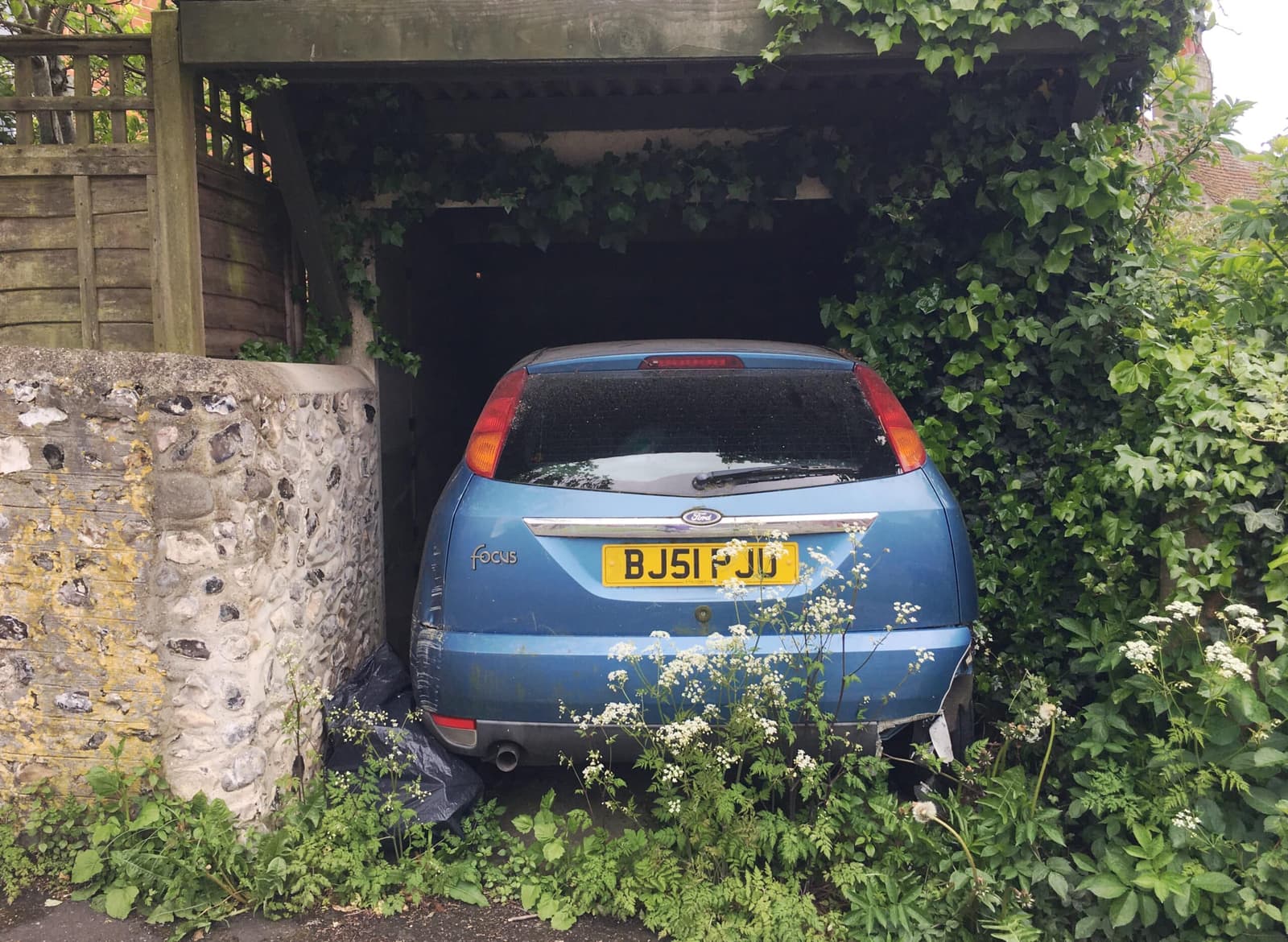
Not legally. A valid SORN takes the vehicle outside both Vehicle Excise Duty and the Continuous Insurance Enforcement rules, provided it is kept off the public road on a drive, in a garage or on private land. Whether you should insure it anyway is a separate question — an uninsured SORNed car is still exposed to fire, theft and storm damage while it sits there, and laid-up cover is cheap.
Compare car insurance quotes before you bring a SORNed car back on the road.
How does SORN affect insurance requirements?
Declaring SORN removes the legal requirement to insure your vehicle for as long as the SORN remains in place. Under CIE, every registered vehicle must either be insured or have a valid SORN, and a SORN satisfies this obligation.
What penalties apply without insurance or SORN?
| Situation | Penalty | Additional consequences |
|---|---|---|
| No insurance and no SORN | £100 DVLA fixed penalty | Can rise to £1,000 at court |
| SORN vehicle on public road | £80 late licensing penalty | Vehicle may be clamped or impounded |
| Driving SORNed vehicle without insurance | £300 fixed penalty + 6 points | Unlimited fine at court, vehicle seizure |
| Driving without MOT (if required) | Up to £1,000 fine | No penalty points |
A SORN lasts indefinitely and does not need to be renewed annually. It remains in effect until you tax the vehicle again or the vehicle is scrapped, sold, or exported.
Before 2014, drivers had to renew their SORN every year or face a fine. The current system is simpler, but many owners still mistakenly believe annual renewal is required. Save up to £535.17* on your car insurance in minutes.
Compare Car Insurance
Where must a SORNed vehicle be kept?
A SORNed vehicle must be kept off the public road at all times. This means on private land such as a driveway, garage, or private car park owned or rented by you.
What counts as private land?
Your driveway, a locked garage, a private car park, or land you have permission to use all qualify. Grass verges, laybys, and any road maintained at public expense are public roads, even if they look like quiet residential streets.
If you do not have access to private parking, you cannot legally declare SORN. The vehicle must remain taxed and insured until you have a suitable off-road storage location.
Shared driveways and communal parking areas can be more complicated. If the land is privately owned and you have the right to park there, it should qualify, but check with the landowner first.
Should you insure a SORNed vehicle?
It depends on the vehicle’s value and your storage situation. Insurance is not required, but laid-up cover protects against risks that exist even when the car is not being driven.
Classic car owners and those with high-value vehicles often find laid-up cover worthwhile because the cost of replacing a stored vehicle would far exceed the annual premium.
What does laid-up cover include?
Laid-up insurance covers risks to a stationary vehicle, typically including theft, fire, explosion, and malicious damage. Some policies also cover natural perils like flood or storm damage, which is worth checking if the vehicle is stored outdoors.
The cost is a fraction of a standard comprehensive policy because all driving-related risks are excluded. Exact pricing depends on the vehicle’s value, location, and the security of your storage arrangements.
As a general guide, laid-up cover makes financial sense if the vehicle is worth more than a few thousand pounds. The annual premium is typically low enough that it pays for itself if anything happens to the vehicle while stored.
Even in a locked garage, vehicles are exposed to fire risk and water damage. A garage fire that destroys an uninsured vehicle leaves the owner with no cover at all, which is a particularly painful loss for owners of rare or modified vehicles.
Can you drive a SORNed vehicle to an MOT?
Yes, but only to a pre-booked MOT appointment at a testing station, and you must have valid insurance for the journey. There is no exemption from the insurance requirement, even for this specific trip.
How do you arrange cover for the MOT journey?
The simplest option is temporary car insurance for the day of the MOT appointment. Short-term policies can be arranged online in minutes and provide comprehensive cover for the specific vehicle.
Alternatively, if the vehicle passes the MOT and you plan to start driving it again, you can tax and insure it before the test. Our guide on taxing a car without an MOT explains the rules for vehicles that need both.
Driving a SORNed vehicle without insurance is an offence regardless of the reason for the journey. The fixed penalty is £300 and six penalty points, with the vehicle liable to seizure under section 165A of the Road Traffic Act 1988.
If the vehicle fails the MOT, you cannot legally drive it home unless you have a pre-booked retest. In practice, most owners arrange a mobile mechanic or recovery service to transport a failed vehicle back to their property.
How do you declare SORN?
You can declare SORN online at GOV.UK, by phone on 0300 123 4321, or by post using form V890. The SORN takes effect immediately, and any remaining Vehicle Excise Duty is automatically refunded for complete remaining months.
How do you get the vehicle back on the road?
Tax the vehicle online or by phone, which automatically cancels the SORN. You will also need valid insurance and a current MOT before driving on public roads.
The order matters: arrange insurance first, then tax the vehicle, then book the MOT if needed. You cannot tax a vehicle without insurance, and you cannot legally drive to the MOT without both insurance and tax.
When you are ready to get the vehicle back on the road, comparing car insurance quotes from multiple providers will help you find the best rate. Premiums can vary considerably for vehicles that have been off the road, so shopping around is particularly worthwhile.
Frequently Asked Questions (FAQs)
No, a SORNed vehicle must be kept on private land at all times. Parking on a public road with a SORN is an offence and the vehicle can be clamped or impounded regardless of whether it is insured.
No, since 2014 a SORN lasts indefinitely until you tax the vehicle again or the vehicle is scrapped, sold, or exported. There is no annual renewal requirement.
Under Continuous Insurance Enforcement, a vehicle that is neither insured nor SORNed can attract a £100 fixed penalty from the DVLA, rising to £1,000 at court. The vehicle may also be clamped or crushed.
Usually yes, but check your finance agreement first. Some lenders require the vehicle to remain insured at all times, even when SORNed, and failing to comply could breach your finance terms.
Not directly, but most insurers only accept a no-claims bonus that is less than two years old. If your vehicle is SORNed for a long period and you do not have another insured vehicle, your bonus may lapse.