
Do Young Drivers Need Black Box Insurance?


No, black box insurance is not a legal requirement. But for most drivers aged 17 to 24, a telematics policy is the cheapest way to get covered.
The average comprehensive quote for a 17-year-old is around £1,600 per year. Safe drivers on telematics policies can cut that by 20% to 25%, keeping roughly £400 in their pocket.
The trade-off is sharing your driving data with your insurer. Our black box insurance page explains the basics.
This article covers whether the monitoring is worth the saving for your situation.
Not legally, and not for everyone — but for most 17 to 24 year olds it is the cheapest cover available, and a careful driver can take a meaningful chunk off an already painful premium. The trade is real: you are sharing braking, speed, cornering and often time-of-day data, and a policy that rewards good driving can equally penalise late-night shifts. Judge it against how and when you actually drive.
Compare black box insurance against a standard quote.
How does black box insurance work?
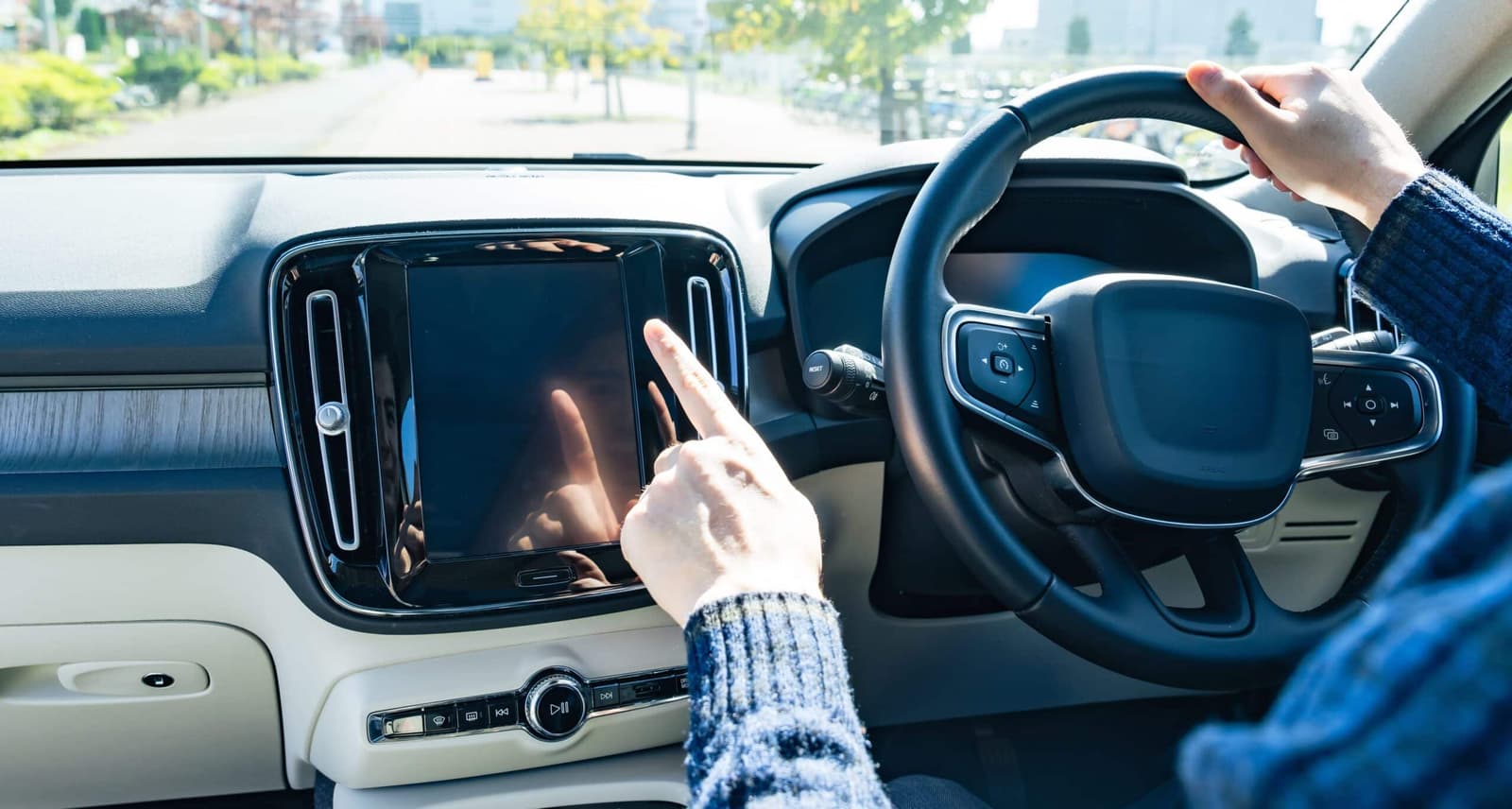
Your insurer monitors your driving through a fitted device, a plug-in dongle, or a smartphone app. It scores you on speed, braking, cornering, time of day, and mileage.
What are the three device types?
| Device type | How it works | Pros | Cons |
|---|---|---|---|
| Fitted box | Installed under your dashboard by a technician or self-fitted | Runs independently, no phone needed, most accurate GPS | Removal fee if you switch insurer, cannot move between cars |
| OBD plug-in | Plugs into the diagnostic port under your steering column | Easy to fit and remove yourself, no technician needed | Not all cars have an accessible OBD port, less common with insurers |
| Smartphone app | Uses your phone’s GPS, accelerometer, and gyroscope | No installation, works in any car, easy to switch vehicles | Must have your phone charged and in the car, slightly less accurate |
App-based telematics is increasingly the default for new policies. Fitted boxes are still offered but are becoming less common as phone sensors improve. Save up to £535.17* on your car insurance in minutes.
Compare Car Insurance
How much can young drivers save with telematics?
The Association of British Insurers reports that a telematics policy can bring the cost down if your driving data shows you to be a lower risk, though it does not publish a set percentage saving. The biggest savings go to the youngest drivers because they start with the highest base premiums.
Why do younger drivers benefit most?
A 17-year-old paying £1,600 who saves 25% keeps £400. A 24-year-old paying £800 saves £200 from the same percentage.
Our guide on car insurance costs shows how premiums fall sharply with each year of age and no-claims history.
Over two or three years of building a no-claims discount alongside good telematics data, the cumulative saving runs into the thousands.
How are discounts applied?
Some insurers give an upfront discount for agreeing to monitoring. Others start at a standard rate and offer cash-back or premium reductions based on your score during the policy term.
At renewal, your driving data feeds directly into your new quote. A strong driving score combined with one year of no-claims discount can produce a sharp drop in price.
What do insurers actually measure?
Five factors determine your driving score: speed compliance, braking and acceleration smoothness, cornering, time of day, and total mileage. Each one is weighted differently.
Which factors matter most?
Speed carries the heaviest weight. Consistently exceeding limits, even by small amounts, damages your score more than any other factor.
Braking and acceleration smoothness is the second biggest factor. Harsh inputs suggest distracted or aggressive driving, even if you never break the speed limit.
Does driving at night affect your score?
Yes. Most telematics policies treat driving between roughly 11pm and 5am as higher risk.
Occasional late-night trips have a small impact, but frequent night driving can noticeably reduce your score.
If you work night shifts or regularly drive late, telematics may not deliver the savings you expect. Factor this into your decision before buying.
What are the downsides of black box insurance?
The main drawbacks are constant monitoring, potential penalties for night driving, and the possibility that a poor driving score increases your premium instead of reducing it.
Can your insurer cancel your policy?
Some telematics policies include terms allowing mid-term cancellation if your driving is consistently dangerous. This is uncommon but worth checking in your policy document before you sign up.
What about privacy?
Your insurer knows where you drive, when, and how. The data is encrypted and handled under UK data protection law.
It is not sold to third parties for marketing, but you are sharing detailed location and behaviour data with a commercial company.
If constant monitoring feels uncomfortable, standard insurance avoids it entirely. The premium will be higher, but your driving stays private.
Some drivers start with telematics to get the lower premium in year one, then switch to a standard policy once they have a year of no-claims discount.
Is black box insurance the right choice for you?
It depends on how you drive, when you drive, and how you feel about monitoring. Telematics works best for young drivers who stick to speed limits, drive mainly during the day, and are comfortable sharing their data.
Who benefits most?
Drivers aged 17 to 20 with no claims history see the largest savings because their standard premiums are the highest. Careful, low-mileage daytime drivers are the ideal profile for a telematics policy.
If you are still learning, learner driver insurance is a separate product. Telematics policies are for drivers who have passed their test.
Who should consider alternatives?
Frequent night drivers, high-mileage commuters, and anyone who values privacy over savings may get better value from a standard policy.
Adding a parent or experienced driver as a named driver is another way to lower your premium without monitoring.
How do you compare black box insurance quotes?
Get quotes for both telematics and standard policies side by side. If the telematics quote is noticeably cheaper and the monitoring conditions suit your driving, it is worth trying for a year.
What should you check before buying?
Read the night driving terms carefully. Check whether there is a curfew or a score penalty for late-night trips.
Ask about removal or cancellation fees if you decide telematics is not for you.
Compare the excess amounts too. Some telematics policies have higher excess to offset the lower premium, which shifts the risk back to you if you need to claim.
How long should you keep a black box policy?
Most drivers benefit from telematics for the first one to two years while they build a no-claims discount. After two years of clean driving history, standard policies often become competitive without monitoring.
Review your quotes at each renewal. Once the gap between telematics and standard quotes narrows to under £50, the convenience of switching to a standard policy may outweigh the small saving.
Frequently Asked Questions (FAQs)
No, it is entirely optional. You can choose standard car insurance instead, but telematics policies are often the cheapest option available to drivers under 25.
Safe drivers aged 17 to 20 can save up to 25% on their premiums. On an average quote of £1,600, that is roughly £400 per year.
Yes, but some insurers charge a removal fee. If you switch to a standard policy at renewal, the fitted device will need to be removed or deactivated.
No, your telematics score is separate from your claims history. A black box policy builds your no-claims discount in the same way as any other motor insurance policy.
Your premium may increase at renewal. In rare cases, insurers can cancel the policy mid-term if your driving is consistently dangerous.
Your data is shared with your insurer and may be used in anonymised form for research. It is not sold to third parties for marketing and is handled under UK data protection law.