
Does a Dashcam Reduce Insurance?


Some insurers offer 5-15% discounts for dashcam users, but the bigger financial value is in protecting your no-claims bonus. Clear footage that proves you were not at fault in a disputed accident can save you hundreds of pounds per year in lost NCD.
Not all insurers offer a direct dashcam discount, and those that do typically require specific features like 1080p resolution and GPS. The real case for owning a dashcam is the evidence it provides during claims.
Our guide to car insurance costs explains how premiums are calculated, but a dashcam addresses one factor that no other saving strategy covers: disputed liability.
Rarely as a direct discount — most insurers offer nothing for having one.
Where a dashcam earns its money is in a disputed claim. Clear footage settles liability quickly, keeps a non-fault claim from being recorded as split, and protects the no-claims discount that actually drives your price.
Compare car insurance quotes and ask who rewards one.
- What features do insurers require from a dashcam?
- How much can a dashcam save on your premium?
- How does dashcam footage help during a claim?
- Is a dashcam better than a black box for reducing premiums?
- What are the disadvantages of a dashcam?
- How can you maximise the insurance value of a dashcam?
- Frequently asked questions (FAQs)
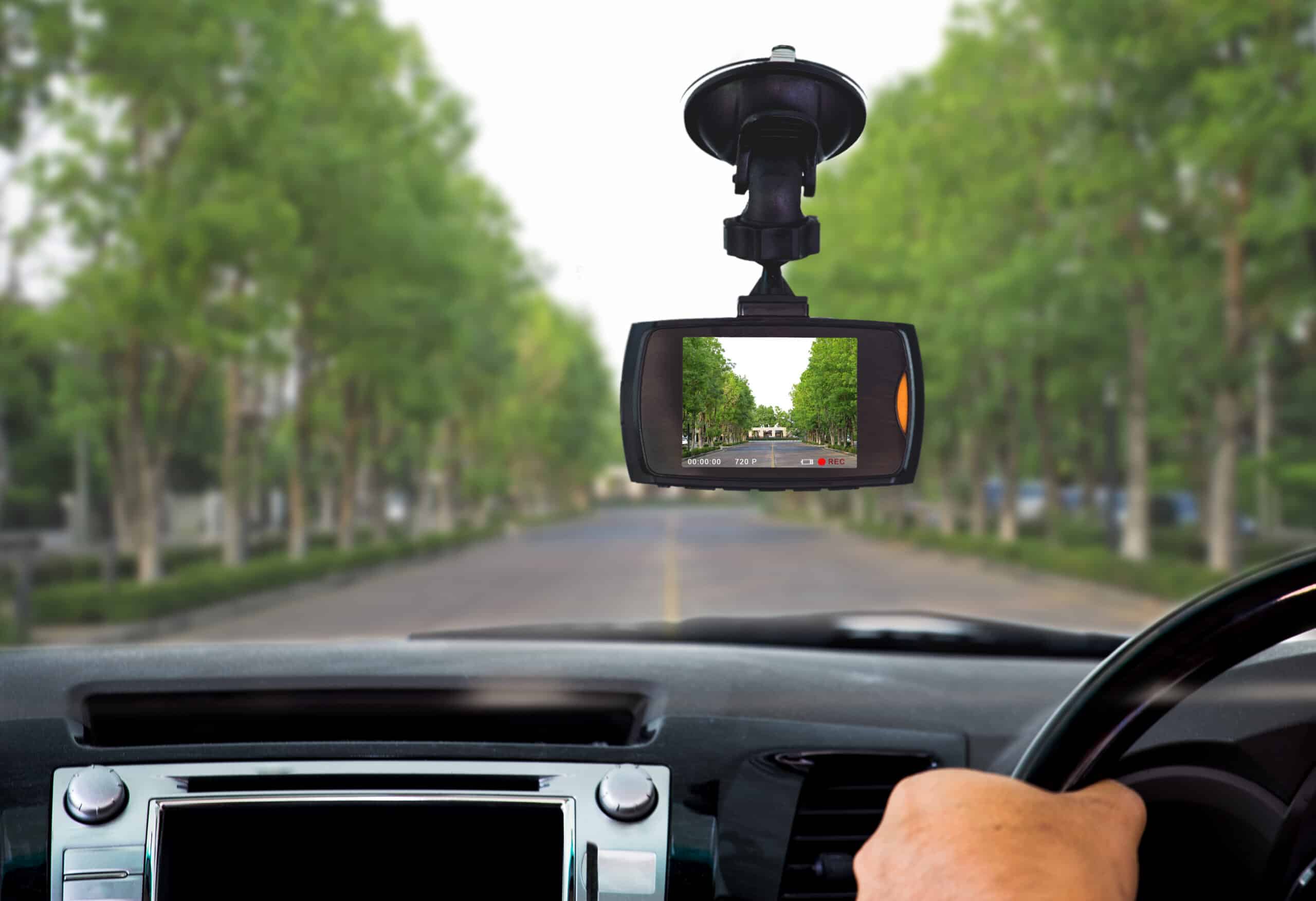
What features do insurers require from a dashcam?
Insurers that offer discounts or accept footage as evidence typically expect specific technical features. The table below shows what matters and why.
What are the minimum specifications?
| Feature | Minimum standard | Why it matters |
| Resolution | 1080p Full HD | Must be clear enough to read number plates at 20 metres |
| Recording mode | Continuous loop | Ensures the camera is always recording, even if you forget to start it |
| GPS | Built-in GPS logging | Records speed and location, corroborating your account of the incident |
| Timestamp | Automatic date and time | Matches footage to your incident report and insurer’s timeline |
| Low-light capability | Night vision or HDR | Many accidents happen in poor light, dawn, or dusk conditions |
| G-force sensor | Automatic incident detection | Locks and saves collision footage so it is not overwritten by loop recording |
Does the brand matter?
Nextbase, Viofo, and Thinkware are widely recognised by UK insurers. Thatcham Research tests vehicle security products, and insurers that reference Thatcham-approved devices may extend this to dashcam specifications.
Check whether your insurer maintains an approved list. If they do not, any dashcam meeting the specifications above should be accepted as evidence.
How much can a dashcam save on your premium?
Direct discounts range from 5-15% where offered, but many mainstream insurers offer no explicit dashcam discount at all. The saving depends entirely on which insurer you use.
What does the maths look like?
On a £600 annual premium, a 10% discount saves £60 per year. A quality dashcam costs £100-£250, so it pays for itself within two to four years through the discount alone.
However, a single disputed at-fault claim that a dashcam could have resolved in your favour is worth far more. Losing a five-year NCD can add £300-£500 to your annual premium for the next five years.
Why is the NCD protection more valuable?
A fully comprehensive policy with five or more years of NCD typically includes a 50-65% discount. Losing that bonus in a disputed 50/50 liability split could cost you £1,500-£2,500 over the next five years.
Clear dashcam footage that proves you were not at fault prevents this entirely. This is the real financial case for owning a dashcam.
How does dashcam footage help during a claim?
Footage can prove liability instantly, eliminating months of dispute. Under UK insurance law, both insurers must agree on fault before settling a claim, and video evidence speeds this process dramatically.
What types of incidents benefit most?
Disputed junction right-of-way situations are the most common scenario. Without footage, these often result in a 50/50 split even when one driver was clearly at fault.
Crash-for-cash fraud is another major benefit. The Insurance Fraud Bureau reports that staged collisions cost the industry hundreds of millions per year, and dashcam footage is the most effective deterrent.
Can you submit footage to the police?
Yes, through the National Dash Cam Safety Portal run by Nextbase in partnership with UK police forces. Over 135,000 clips have been submitted, with 7 in 10 resulting in further police action.
Is a dashcam better than a black box for reducing premiums?
They serve different purposes. A black box policy actively reduces your premium based on driving behaviour, while a dashcam primarily protects you during claims.
Can you use both?
Yes, and combining them is the strongest approach. Telematics rewards safe driving with lower premiums at renewal, while a dashcam provides evidence protection that telematics cannot offer.
For young drivers who already face high premiums, combining a black box with a dashcam addresses both the pricing and the claims-protection angle.
What are the disadvantages of a dashcam?
The main risk is that your footage could work against you. If the dashcam shows you were at fault, your insurer may use it as evidence when settling the claim.
Do you have to submit footage that hurts your case?
You are not legally required to volunteer footage to your insurer. However, if your insurer asks for it and you refuse, this may raise suspicion and complicate your claim.
In court proceedings, dashcam footage is admissible as evidence and can be requested by the other party. Our guide to excess explains how claim costs work, but the key point is that footage cuts both ways.
How can you maximise the insurance value of a dashcam?
Start by checking whether your current insurer offers a discount. Our tips to lower your premium cover the full range of savings, but several apply directly to dashcam owners.
What practical steps help?
Declare your dashcam to your insurer when arranging or renewing cover. Some insurers only apply the discount if you actively declare it as a modification or additional feature.
Choose a dual-camera system with front and rear coverage. Rear-end collisions are common, and a rear camera proves the other driver hit you from behind.
When comparing car insurance quotes, ask specifically whether each insurer offers a dashcam discount and what specifications they require.
Frequently Asked Questions (FAQs)
No, many mainstream insurers offer no explicit discount. Always ask when arranging cover, and try specialist providers if a dashcam discount is important to you.
Yes, dashcam footage is generally admissible as evidence in UK court proceedings and can be critical in proving liability in accident disputes.
You are not required to volunteer footage that works against you, but your insurer may request it and refusing could complicate your claim. In court proceedings, the other party can request it.
Technically yes, but most insurers require a dedicated device to qualify for discounts. A phone is less reliable for continuous recording and may overheat during long journeys.
Yes, a dual-camera system provides more complete coverage. Rear cameras are particularly valuable for proving liability in rear-end collisions and capturing hit-and-run vehicles.
Save the relevant footage separately and keep it for at least three years. UK personal injury claims can be brought up to three years after an accident, and your footage may be needed as evidence.