
Does a Roof Rack Affect Insurance?


A roof rack rarely increases your premium, but you must declare it to your insurer as a vehicle modification. Most UK insurers note it on your policy at no extra cost, though failing to declare can give them grounds to reduce or refuse a claim.
Roof racks are one of the most common vehicle modifications in the UK, yet many drivers do not realise they count as a modification at all. Our guide to modified car insurance explains how insurers treat aftermarket changes, and a roof rack sits at the low-risk end of the scale.
It has to be declared, but a manufacturer-approved rack usually costs little or nothing on the premium.
Compare car insurance quotes and declare the rack at quote stage rather than after a claim.
- Why do you need to declare a roof rack?
- Does a roof rack increase your premium?
- What are the weight limits for roof loads?
- How do you declare a roof rack to your insurer?
- Does your insurance cover damage to the roof rack itself?
- Should you remove a roof rack when not in use?
- Frequently asked questions (FAQs)
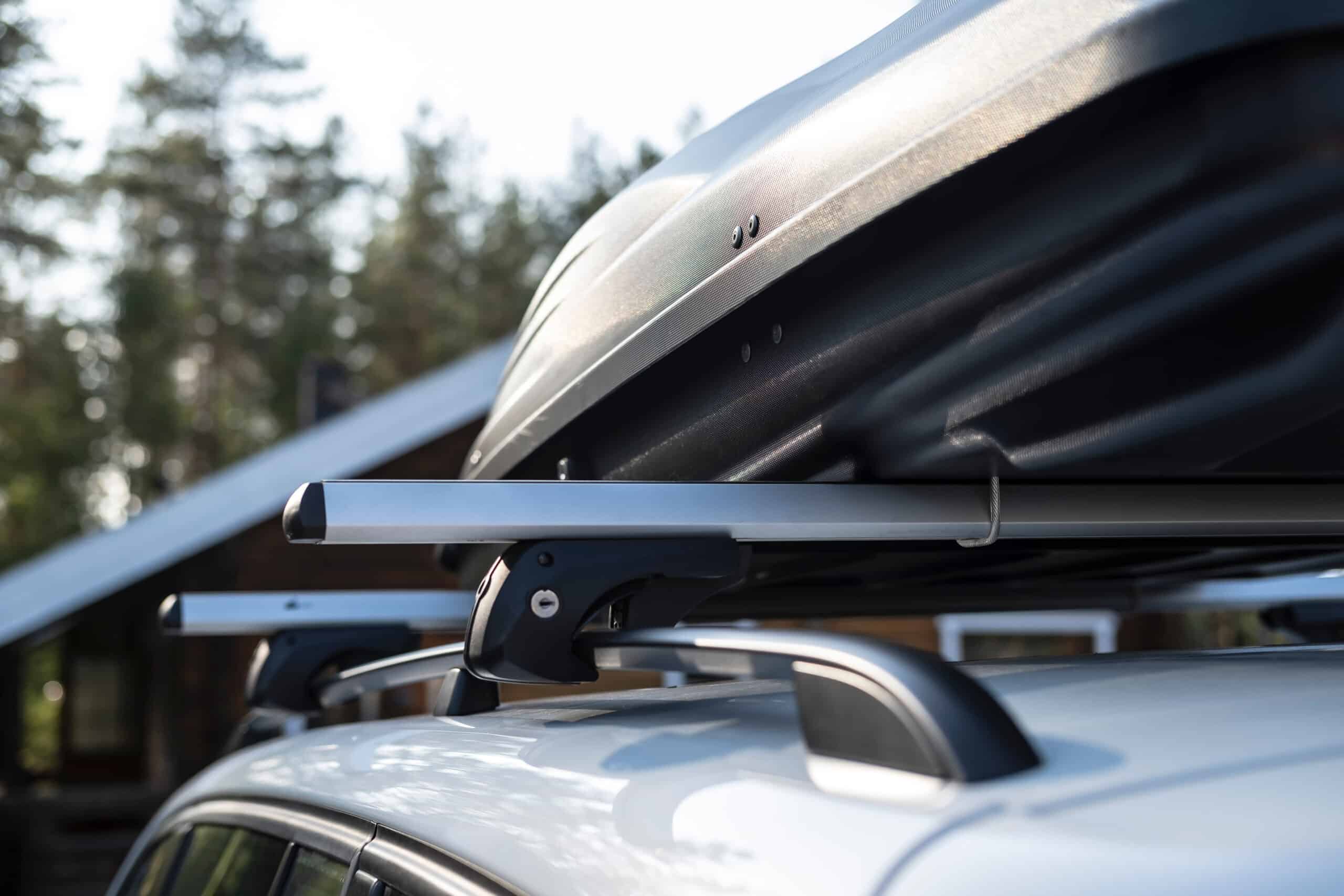
Why do you need to declare a roof rack?
The Consumer Insurance (Disclosure and Representations) Act 2012 requires you to give your insurer accurate information about your vehicle. A roof rack is a modification, and failing to disclose it counts as misrepresentation.
What happens if you do not declare?
If your insurer discovers an undeclared modification during a claim, they can reduce the payout or refuse it entirely. Even if the roof rack had nothing to do with the accident, an undeclared change gives them a technical basis to dispute your claim.
If you have already fitted a rack without declaring it, contact your insurer now. Most will backdate the declaration to the fitting date at no cost.
What counts as a roof rack modification?
Any roof-mounted equipment not factory-fitted as standard counts as a modification. If your car came with integrated roof rails from the factory, those are part of the original specification and do not need a separate declaration.
Does a roof rack increase your premium?
In most cases, no. A basic roof rack or roof bars will not increase your premium because insurers view them as low-risk modifications that do not affect engine performance, braking, or handling.
How do insurers treat different roof modifications?
| Modification | Typical premium impact | Declaration required? |
| Roof bars (aftermarket) | None in most cases | Yes |
| Roof box (temporary) | None to minimal | Yes, while fitted |
| Roof box (permanent) | Small increase possible (£10-£50/year) | Yes |
| Bike rack (roof-mounted) | None in most cases | Yes |
| Roof basket or cargo tray | None in most cases | Yes |
| Roof-mounted lights or aerials | Small increase possible | Yes |
Why does a roof box sometimes cost more than bars?
A roof box changes the vehicle’s aerodynamics and height profile more noticeably than flat bars. Some insurers treat it as a separate declaration.
Even so, any premium impact is typically negligible compared to mechanical modifications covered in our car insurance cost guide.
What are the weight limits for roof loads?
Your vehicle’s dynamic roof load limit is set by the manufacturer and typically ranges from 50kg to 100kg. You can find yours in the vehicle handbook or on a plate inside the driver’s door frame.
Does the weight limit include the rack itself?
Yes, the limit covers everything on the roof, including the rack or bars. A typical roof bar set weighs 5-10kg, reducing your available cargo capacity accordingly.
Highway Code Rule 98 requires all loads to be properly secured and not protruding dangerously. Overloading can result in fines of up to £300 and affects vehicle handling, particularly at speed and in crosswinds.
Can overloading affect an insurance claim?
An overloaded vehicle involved in an accident may face closer scrutiny from insurers investigating the claim. If the excess weight contributed to the accident, your insurer could argue you were driving unsafely and reduce the payout.
How do you declare a roof rack to your insurer?
Contact your insurer by phone, online chat, or app before fitting the rack if possible. Ask whether they charge for the modification and request written confirmation that the change has been noted on your policy.
What information do you need to provide?
Describe the type of rack (bars, box, basket), the make and model if known, and whether it is a permanent or temporary fitting. Your insurer may also ask for the approximate value of the equipment.
If you switch insurers at renewal, declare the rack on your new policy too. Our tips to lower your premium explain how to keep costs down even with declared modifications.
Should you tell your insurer when you remove it?
Yes, because keeping your vehicle record accurate works in your favour. Removing a modification means one fewer declared change, which some insurers view positively at renewal.
Does your insurance cover damage to the roof rack itself?
A fully comprehensive policy typically covers aftermarket accessories damaged in an insured event, but check your policy wording. Some policies exclude or limit cover for aftermarket accessories unless you have declared them and added their value to the insured amount.
What about theft of a roof box or contents?
Theft of a roof box is usually covered under comprehensive insurance if the vehicle was locked and the box was secured. Contents inside the box may fall under your home contents insurance rather than your car policy.
Check your excess before claiming for a stolen roof box. If the box is worth less than your excess, claiming makes no financial sense and adds a claim to your record.
Should you remove a roof rack when not in use?
Removing a rack when you do not need it reduces fuel consumption, wind noise, and wear on the roof mounting points. It also removes a declared modification from your policy if you notify your insurer.
How much fuel does a roof rack waste?
An empty roof rack increases aerodynamic drag by roughly 2-5%, depending on the vehicle and speed. At motorway speeds, this can add £50-£100 per year in fuel costs.
If you only need extra storage for occasional trips, temporary car insurance on a larger vehicle may work out cheaper than fitting and insuring a permanent roof setup on your regular car.
When shopping for cover with any declared modifications, comparing car insurance quotes from multiple providers is the best way to find an insurer that treats your setup favourably.
Frequently Asked Questions (FAQs)
Yes, inform your insurer while it is fitted. If the box is on your car when you have an accident, an undeclared modification could complicate your claim.
Full voidance is unlikely for something as minor as a roof rack. However, your insurer could reduce a claim payout or add conditions, so declaring removes this risk entirely.
If the rack is damaged in an insured accident and you have comprehensive cover, it should be included in the claim. Check your policy, as some exclude aftermarket accessories unless separately declared.
A roof rack is not specifically tested during an MOT. However, if it is insecure or obstructs the driver’s view, it could be flagged as a safety concern.
There is no specific height limit in UK law for standard vehicles. However, excessively tall loads affect stability and may catch on height barriers in car parks and under bridges.
Our guide to vehicle insurance requirements covers the legal basics of keeping your car properly insured and declared.
No, factory-fitted roof rails are part of the vehicle’s original specification and do not count as a modification. Only aftermarket additions need to be declared to your insurer.