
How Do You Get a Car Out of an Impound Lot?


Contact the impound facility listed on your seizure notice, arrange valid insurance and MOT for the vehicle, gather your documents (V5C, photo ID, insurance certificate, seizure notice), pay the £192 release fee plus £26 per day storage, and collect within seven working days.
Acting quickly matters. Storage charges start from noon the day after seizure, and if you do not collect within seven working days the police can crush or sell your vehicle.
If the car was seized for being uninsured, you will need impounded car insurance before the facility will release it.
You need cover in place before you arrive — the pound will not release a car to an uninsured driver.
Get impounded car insurance and collect the vehicle before storage fees mount up.
- What documents do you need to collect an impounded car?
- How much does it cost to release an impounded car?
- Why do police seize vehicles?
- What insurance do you need to release an impounded car?
- What happens if you do not collect the car?
- How does an impound affect your insurance?
- Frequently asked questions (FAQs)
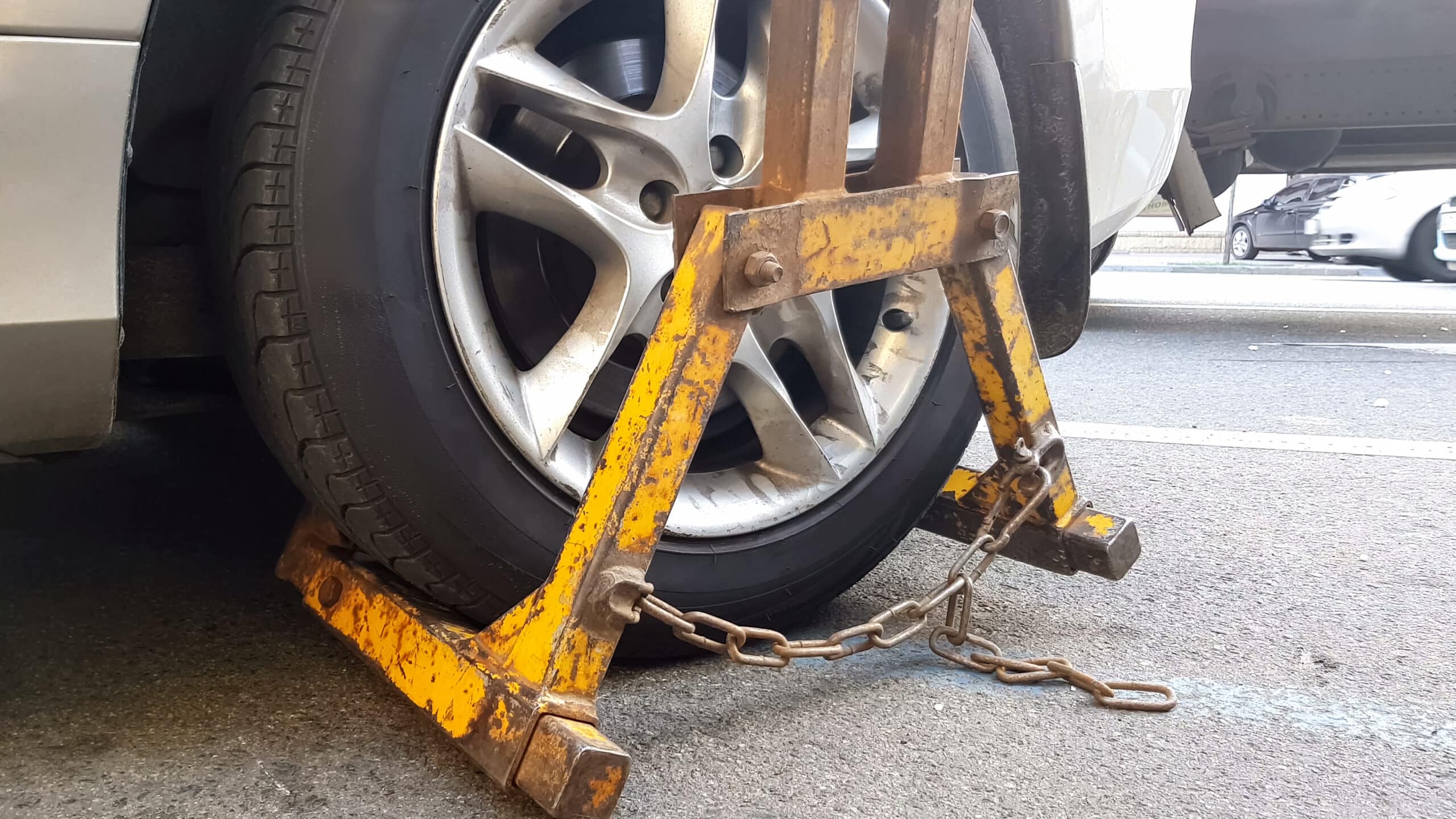
What documents do you need to collect an impounded car?
You need the V5C registration document, valid photo ID, a certificate of motor insurance, a valid MOT certificate, and the seizure notice given to you at the roadside.
What if you do not have the V5C?
Apply for a replacement from the DVLA online or by post. Some facilities accept alternative proof of ownership such as a bill of sale, but check with the impound before visiting.
Storage fees continue to accumulate while you wait for replacement documents, so apply as soon as possible after seizure.
Can someone else collect the car on your behalf?
Yes, with a signed letter of authority from you plus all the required documents. They will also need their own photo ID.
How much does it cost to release an impounded car?
The government sets release fees based on vehicle type. Storage is £26 per day for cars and £35 per day for HGVs, starting from noon the day after seizure.
What are the fees by vehicle type?
| Vehicle type | Release fee | Daily storage | Disposal fee |
| Car (under 3.5 tonnes) | £192 | £26 | £96 |
| Motorcycle | £115 | £16 | £96 |
| HGV (over 3.5 tonnes) | £650 | £35 | £192 |
How quickly do fees add up?
A car left for the full seven working days costs £192 plus up to £182 in storage (£26 × 7 days), totalling £374. If the vehicle is worth less than the accumulated fees, it may not be worth collecting.
Why do police seize vehicles?
Police can seize a vehicle under Section 165A of the Road Traffic Act 1988 if the driver cannot produce valid insurance or is driving whilst disqualified.
What are the most common reasons?
Driving without insurance is by far the most common reason. Police check insurance automatically using ANPR cameras and the Motor Insurance Database (MID).
Other reasons include driving whilst disqualified, driving an untaxed vehicle, and vehicles involved in criminal activity.
Can the DVLA also seize vehicles?
Yes, the DVLA can clamp and remove untaxed vehicles from the road. The release process and fees differ from police seizures, and you deal with the DVLA directly rather than a police impound facility.
What insurance do you need to release an impounded car?
You need a valid insurance policy that covers the specific vehicle being released. If the car was seized for being uninsured, temporary car insurance can be arranged online in minutes and provides the certificate you need for collection.
Is impound insurance different from standard cover?
Some insurers offer specialist impound release policies designed specifically for this situation. Standard car insurance will also work as long as it covers the vehicle and is valid from the collection date.
The key requirement is that you can produce a certificate of motor insurance at the facility. Without it, the impound will not release the vehicle.
Does the car need a valid MOT?
If the MOT has expired, you cannot legally drive the car away. Arrange flatbed recovery to transport it to a garage for testing.
Check the GOV.UK MOT history service to confirm your vehicle’s current status before visiting.
What happens if you do not collect the car?
After seven working days from the date on your seizure notice, the police can crush or sell the vehicle at auction. You will still be liable for any outstanding fees.
Can you appeal a seizure?
If you believe the seizure was unlawful, you can appeal through the police force’s complaints process. Fees continue to accumulate during any appeal, so act quickly.
What if you cannot afford the fees?
There is no payment plan for police impound fees. If you cannot pay within seven working days, the vehicle will be disposed of and a disposal fee of £96 applies.
How does an impound affect your insurance?
If the vehicle was seized for uninsured driving, you receive an IN10 endorsement that stays on your licence for four years and must be declared to insurers for five years.
Convicted driver insurance is available from specialist providers for drivers with endorsements.
How much will premiums increase?
An IN10 endorsement typically adds 20-50% to your premium depending on the insurer, and six penalty points are also added to your licence.
Our tips to lower your premium cover strategies for managing costs after a conviction.
Does it affect your no-claims bonus?
An impound itself does not affect your no-claims bonus because no insurance claim is made. However, if you were driving without insurance, the gap in cover means you cannot build no-claims during that period.
Understanding how car insurance costs work helps you plan for the premium impact before renewal.
Frequently Asked Questions (FAQs)
Seven working days from the date on your seizure notice. After this, the police can crush or sell the vehicle at auction.
Only if you have valid insurance and a current MOT. If either has expired, arrange flatbed recovery to transport the vehicle.
If you received an IN10 endorsement for uninsured driving, expect a 20-50% increase. The endorsement must be declared to insurers for five years.
Yes, with a signed letter of authority from you plus all required documents including V5C, insurance certificate, MOT, and their own photo ID.
Ask the impound facility whether you can access the vehicle to retrieve it. Some facilities allow supervised access, while others require you to apply for a replacement from the DVLA.
Yes, after seven working days police can dispose of the vehicle by crushing or selling at auction. You remain liable for any outstanding fees.