
What Cars Are In Car Insurance Group 1?


Group 1 includes the Hyundai i10, Volkswagen Up, Kia Picanto, Citroën C1, and Fiat Panda, making them the cheapest cars to insure in the UK.
The UK uses an insurance group system from 1 to 50, set by the Association of British Insurers and Thatcham Research. Group 1 is the lowest risk bracket, so these cars attract the smallest premiums.
Group 1 is the cheapest insurance bracket, but it only applies to the base spec. A Volkswagen Up is group 1; the GTi is group 17. Always check the group for the exact variant, not just the model name.
Confirm the group before you buy, then compare car insurance quotes for that specific trim.
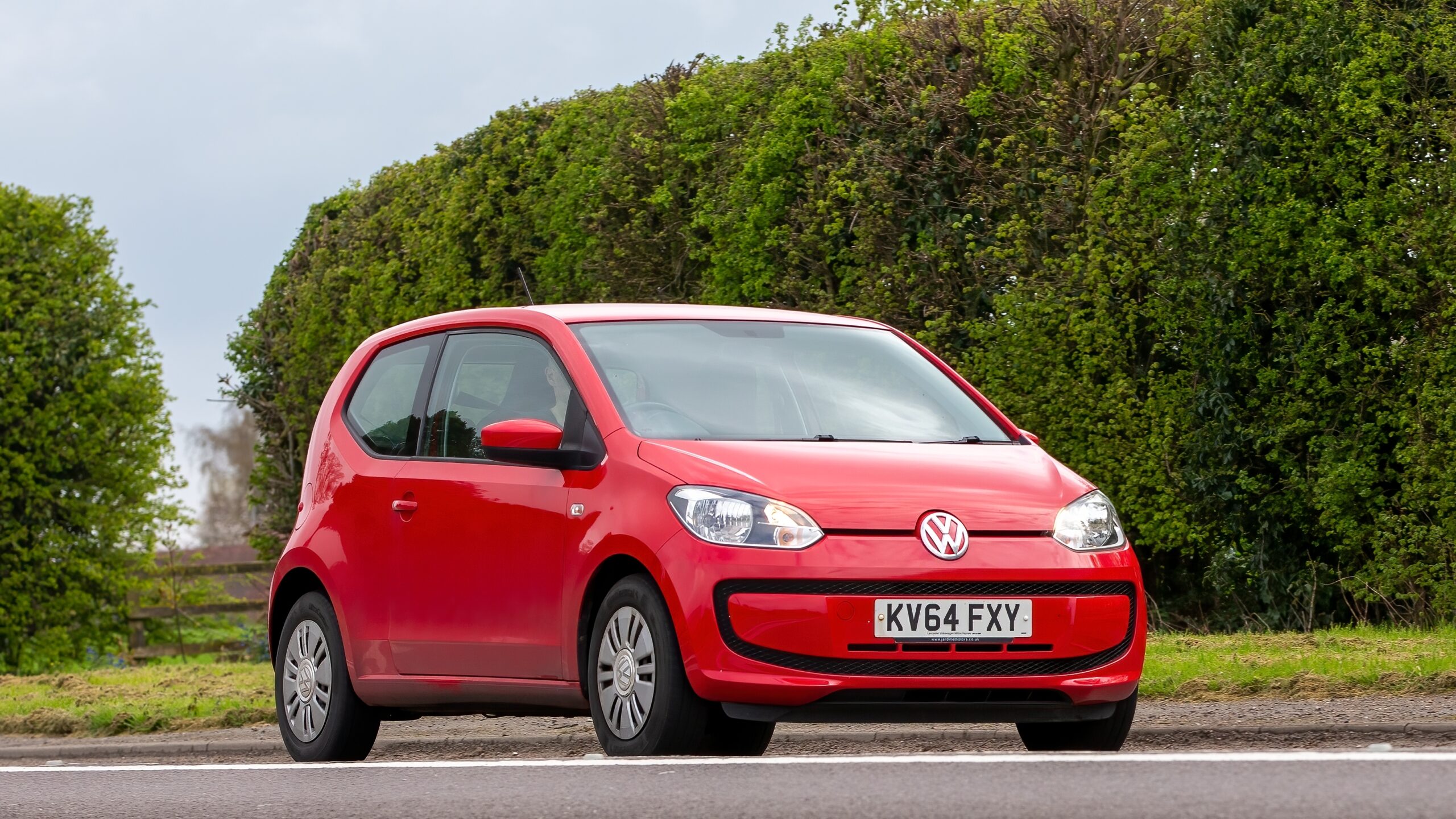
Which cars are in insurance group 1?
Group 1 vehicles are mostly city cars and small hatchbacks with engines around 1.0 litre and low replacement values.
Which models are most commonly in group 1?
The exact group depends on the trim level, engine variant, and model year. The table below shows popular models whose base or low-specification variants sit in group 1.
| Car | Engine | Group (base spec) | Approx. used price |
| Hyundai i10 | 1.0L petrol (67 hp) | 1 | £1,500–£7,000 |
| Volkswagen Up | 1.0L petrol (60–65 hp) | 1 | £3,000–£8,000 |
| Kia Picanto | 1.0L petrol (67 hp) | 1 | £4,000–£9,000 |
| Citroën C1 | 1.0L petrol (72 hp) | 1 | £2,000–£6,000 |
| Fiat Panda | 1.0/1.2L petrol | 1 | £1,000–£5,000 |
| Skoda Citigo | 1.0L petrol (60 hp) | 1 | £3,000–£6,000 |
| Volkswagen Polo | 1.0L petrol (65 hp) | 1 | £5,000–£10,000 |
| Vauxhall Corsa | 1.0L petrol (older models) | 1 | £1,500–£4,000 |
Does the trim level change the insurance group?
Yes, and the difference can be significant. The base Volkswagen Up with a 1.0 litre engine sits in group 1, but the sportier Up GTi jumps to group 17.
A low-specification Citroën C1 is group 1, while a top-trim version can reach group 7. Always check the specific variant before buying, not just the model name.
Why are group 1 cars the cheapest to insure?
Group 1 vehicles score lowest across every factor insurers use to set group ratings: engine size, repair cost, replacement value, safety, and security.
How do insurers decide on the group rating?
The ABI and Thatcham Research assess every new car model against five criteria before it goes on sale. These feed directly into how your premium is calculated.
Small engines mean lower speeds and statistically fewer severe accidents. High-volume models have cheap, widely available parts. Low purchase prices limit the insurer’s payout if the car is written off.
What is the new Vehicle Risk Rating system?
From August 2024, any brand-new model range sold in the UK is assessed under a Vehicle Risk Rating (VRR) system using a 1 to 99 scale instead of the traditional 1 to 50 groups.
Existing models keep their original group rating. Insurers are using both systems during an 18-month transition period, so you may see either a group number or a VRR score depending on when your car launched.
How much can you save with a group 1 car?
Young drivers can save hundreds of pounds a year by choosing a group 1 car over a mid-group alternative, because the insurance group is one of the biggest factors in how premiums are set.
What else affects your premium besides the group?
Your age, postcode, job title, driving history, and no-claims bonus all influence the final price. A group 1 car gives you the lowest possible starting point, but a 17-year-old in central London will still pay more than a 40-year-old in a rural area.
The cover level matters too. Fully comprehensive is often cheaper for younger drivers than third-party only, because third-party-only policies tend to attract higher-risk drivers, which pushes up the group premium.
How can you reduce the cost even further?
A black box policy rewards safe driving with lower premiums over time. Increasing your voluntary excess also reduces the upfront cost, but only set it at a level you could afford to pay if you claimed.
Building a no-claims bonus is the most effective long-term way to cut your premium. One claim-free year can reduce your quote by up to 30%.
The simplest saving comes from shopping around. Comparing car insurance prices across multiple insurers can reveal big differences for the same car and driver profile.
Are group 1 cars a good choice for new drivers?
Group 1 cars are ideal for new and young drivers because they combine the lowest insurance bracket with affordable purchase prices and running costs.
Who benefits most from a group 1 car?
Young drivers and learner drivers benefit the most, because their premiums are already the highest of any age group. Choosing a group 1 car offsets some of that cost.
City commuters, budget-conscious second-car buyers, and anyone prioritising low running costs will also find group 1 models practical. Fuel economy typically sits between 45 and 60 mpg.
When might a group 1 car not be right for you?
If you regularly carry passengers or need boot space for a young family, most group 1 cars are too compact. Long motorway journeys can feel strained with a 1.0 litre engine at sustained speed.
If you need something larger, look at group 2 to 5 alternatives, which still offer relatively low premiums. Our guide to the cheapest cars to insure for a 17-year-old covers options beyond group 1.
Frequently Asked Questions (FAQs)
No. Different engine sizes, trim levels, and optional extras can place variants of the same model in different groups. A base-model Hyundai i10 may be group 1 while a higher-spec version with a larger engine sits in group 3 or above.
Under the traditional 1 to 50 system, a car’s group is set at launch and does not change. The newer Vehicle Risk Rating system introduced in August 2024 does update scores regularly to reflect changing market conditions.
Usually not. Electric variants tend to sit in higher insurance groups because of the cost of battery replacement and specialist repair. Check the specific electric model’s group before assuming it matches the petrol version.
A group 1 car gives you the lowest starting point, but premiums for new drivers are still influenced by age, location, and experience. A black box policy and building a no-claims bonus will reduce costs further.
It can do. A group 1 car in a high-crime urban postcode may cost more to insure than a group 5 car in a low-risk rural area. Postcode, parking arrangements, and local claims history all factor in.
For younger drivers, yes. Third-party-only policies tend to attract higher-risk customers, which inflates the group premium. Fully comprehensive is often the cheaper option even on a low-value car.
You can check the group of any car on the Thatcham Research website using the registration number or make and model. Your insurer or a comparison site will also show the group when you get a quote.
Yes. Most group 1 cars return between 45 and 60 mpg, making them among the cheapest vehicles to run overall. Their small engines are designed primarily for fuel efficiency.