
What Insurance Do Roofers Need In The UK?


Roofers in the UK need public liability insurance as a minimum, with employers’ liability required by law if you hire any staff. Most roofing businesses also carry tools insurance, contract works cover, and professional indemnity depending on the work they take on.
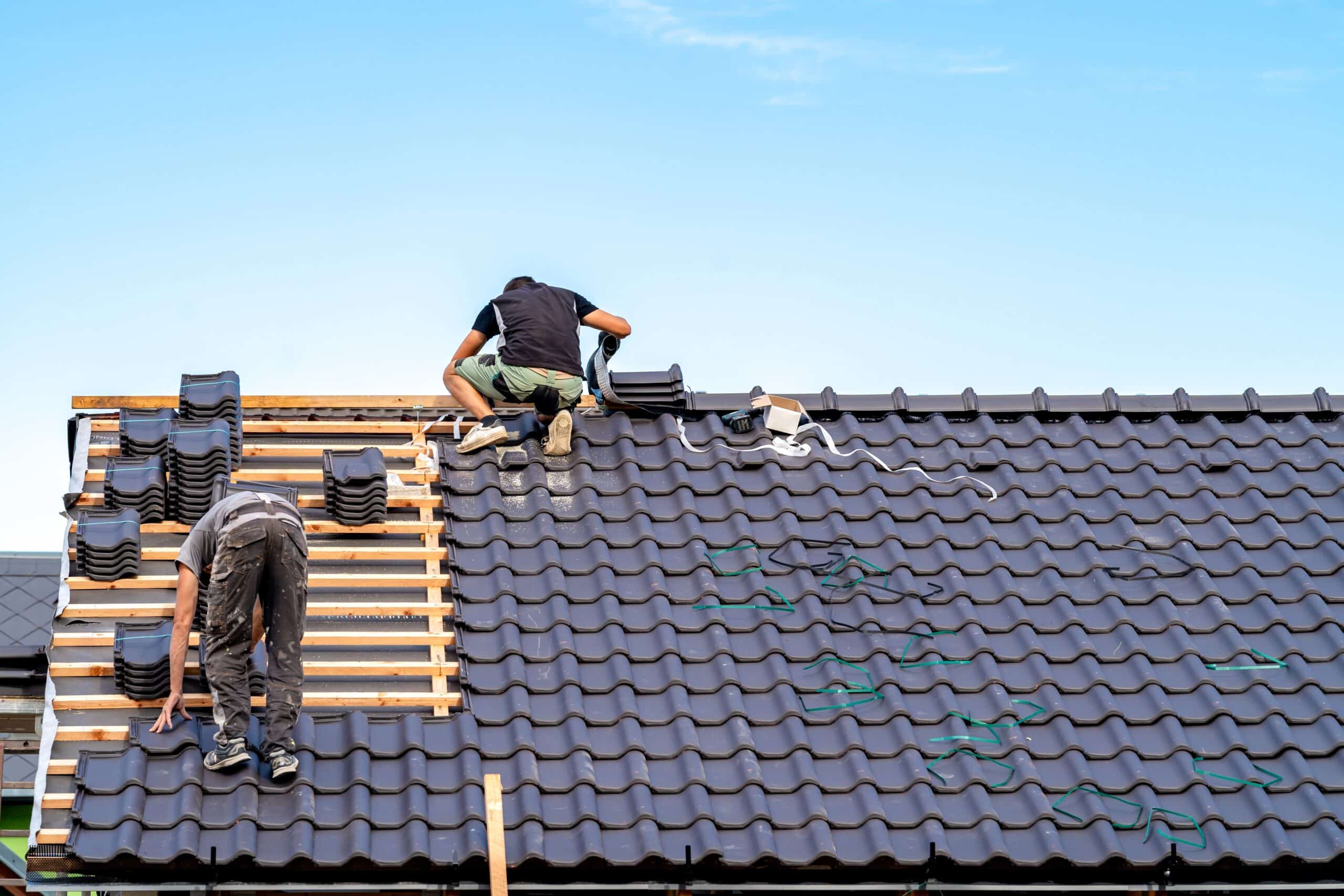
Roofing is one of the highest-risk trades in construction. Falls from height account for more workplace deaths than any other cause in the UK, which is why insurers treat roofing as a specialist category with tailored cover options.
This guide breaks down each type of insurance a roofer might need, what it costs, and how to keep your premiums down.
Whether you’re a sole trader working on domestic repairs or running a team on commercial contracts, getting the right roofer insurance protects your livelihood and your clients.
Public liability is essential because most clients will not hire a roofer without it. Employers’ liability is a legal requirement the moment you take on any help. Add tools cover and contract works insurance to protect against van break-ins and storm damage to exposed jobs mid-project.
Bundle your roofing covers into one policy to cut costs without leaving gaps.
- Why do roofers need public liability insurance?
- Is employers’ liability insurance required for roofing businesses?
- What tools and equipment insurance do roofers need?
- What is contract works insurance for roofers?
- Do roofers need professional indemnity insurance?
- How much does roofer insurance cost in the UK?
- How can roofers reduce their insurance costs?
- What insurance do subcontractors and sole trader roofers need?
- Frequently asked questions (FAQs)
Why do roofers need public liability insurance?
Public liability insurance covers claims from members of the public or clients who are injured or suffer property damage because of your work.
What does public liability cover for roofers?
If a tile falls from a roof you’re working on and damages a car below, or a client trips over your materials, public liability pays the legal costs and compensation.
It also covers accidental damage to a client’s property while you’re working. A roofer who puts a foot through a ceiling or cracks a fascia board during installation could face a claim worth thousands.
Roofing claims tend to be expensive because the damage often involves structural repairs, water ingress to interiors, or injury from falling debris. For a full breakdown, see our guide on what public liability insurance is and what it covers.
How much public liability cover do roofers need?
Most roofers carry between £1 million and £5 million in public liability cover. The right level depends on the size of your contracts and your clients’ requirements.
Many commercial clients and main contractors won’t let you on site without at least £2 million. If you’re working on larger projects or in busy public areas, £5 million or £10 million is common.
Check your client’s contract requirements before quoting for a job. Being turned away from a site because your cover level is too low wastes time and can cost you the contract.
Is employers’ liability insurance required for roofing businesses?
Yes. If you employ anyone, including apprentices, labourers, or casual workers, you must hold at least £5 million in employers’ liability insurance by law.
What does employers’ liability cover?
Employers’ liability covers compensation claims from employees who are injured or become ill because of their work. On a roofing site, that could mean a fall from a ladder, a cut from a slate cutter, or long-term conditions like silicosis from dust exposure.
Our guide on employers’ liability vs public liability explains how the two policies work together.
What are the penalties for not having cover?
Under the Employers’ Liability (Compulsory Insurance) Act 1969, businesses that fail to hold the minimum cover face fines of up to £2,500 per day. You must also display your certificate of insurance where employees can see it.
Sole traders with no employees are exempt, but the moment you take on a helper or subcontractor who works under your direction, the law applies.
Labour-only subcontractors are a grey area. If you control when, where, and how they work, HMRC may treat them as employees regardless of how the contract is worded.
What tools and equipment insurance do roofers need?
Tools insurance covers repair or replacement costs if your equipment is stolen, lost, or damaged, whether it’s stored in your van, on site, or at home.
What equipment is typically covered?
Policies usually cover hand tools, power tools, nail guns, compressors, and specialist roofing equipment like slate cutters, felt torches, and harness systems.
Some policies also cover scaffolding, ladders, and access towers. A roofer’s kit can easily be worth £5,000 to £15,000, so replacing everything after a van break-in without cover is a serious hit.
You’ll need to declare the total replacement value of your kit when you take out cover. Underinsuring to save on premiums means you’ll receive a reduced payout if you claim.
How can you protect tools from theft?
Insurers typically require you to store tools in a locked vehicle or secure storage when not in use. Fitting deadlocks, a tool vault, or a van alarm can lower your premium and strengthen your claim.
Keep receipts, serial numbers, and photos of your equipment. Without proof of ownership, the insurer may dispute the value of stolen items.
Some policies extend to hired-in equipment, which is useful if you rent scaffolding or specialist access platforms. Check whether you’re covered for the full hire cost, including any lost-rental charges the hire company may levy.
What is contract works insurance for roofers?
Contract works insurance (also called contractor’s all risks) covers the materials and work in progress on a job site against damage from fire, storm, theft, or vandalism.
When do you need contract works cover?
If you’re halfway through a re-roofing project and a storm damages the exposed structure, contract works cover pays for the materials and labour already used. Without it, you’d need to absorb those costs yourself.
On larger commercial projects, the main contractor’s policy sometimes covers subcontractors’ work in progress. Check the contract terms before assuming you’re covered, and get confirmation in writing.
What isn’t covered?
Contract works policies don’t usually cover faulty workmanship itself. If you install flashing incorrectly and it leaks, the cost of redoing the work falls on you.
However, the resulting damage to the client’s property from that faulty work may be covered under your public liability policy. The two policies complement each other rather than overlap.
They also exclude wear and tear, gradual deterioration, and damage caused by poor site security. Keeping the site locked and weatherproofed overnight strengthens your position if you need to claim.
For domestic jobs under £50,000, the homeowner’s buildings insurance may cover some risks during renovation. Confirm this in writing before starting, as gaps between the homeowner’s policy and yours can leave work unprotected.
Do roofers need professional indemnity insurance?
Most roofers don’t need professional indemnity (PI) insurance, but if you provide design advice, written specifications, or project management services, it’s worth considering.
When does professional indemnity apply to roofing?
PI insurance covers claims arising from negligent advice or design errors. If you recommend a membrane system that fails or specify the wrong materials for a flat roof conversion, the client could hold you liable for the resulting damage.
See our guide on professional indemnity vs public liability for a full comparison.
If you only carry out physical roofing work to someone else’s specification, you’re unlikely to need professional indemnity cover. Public liability and contract works should be sufficient.
How much does roofer insurance cost in the UK?
Roofer insurance typically costs between £300 and £2,000 per year for a sole trader, depending on the cover types, turnover, and number of employees.
What affects your roofing insurance premium?
| Factor | How it affects your premium | Example |
| Type of roofing work | Flat roofing and high-rise work cost more than domestic repairs | Commercial re-roofing vs replacing a few tiles |
| Annual turnover | Higher turnover means more exposure and higher premiums | £50k turnover costs less than £250k |
| Number of employees | More staff increases employers’ liability and overall risk | Sole trader vs team of five |
| Claims history | Previous claims raise your premium at renewal | One claim in three years vs claim-free |
| Cover level | Higher limits (£5m vs £1m public liability) cost more | £2m is standard; £10m for large contracts |
| Working at height | Roof height and access method affect risk rating | Single-storey domestic vs multi-storey scaffold |
Roofing is rated as high-risk by most insurers because of the working-at-height element. A roofer doing mainly domestic repairs will pay less than one working on multi-storey commercial buildings.
For a detailed breakdown of one of the biggest cost components, see how much public liability insurance costs in the UK.
How can roofers reduce their insurance costs?
The most effective way to lower your premium is to demonstrate safe working practices, maintain a clean claims record, and bundle your cover into a single policy.
Safety certifications and training
Holding a CSCS card, SSSTS or SMSTS certificate, or membership of a body like the National Federation of Roofing Contractors (NFRC) signals to insurers that you take safety seriously. Some providers offer discounts for certified roofers.
The HSE’s guidance on roofwork sets out the legal requirements for working at height. Following these standards reduces both your accident rate and your insurance costs.
Insurers look at your claims history over the past three to five years. A clean record is the single biggest factor in keeping your premium low at renewal.
Bundling and reviewing your cover
Buying public liability, employers’ liability, and tools cover as a combined tradesman insurance package is almost always cheaper than purchasing each policy separately.
Review your cover annually. If your turnover has dropped or you’ve reduced your team size, your premium should reflect that.
Paying for cover you don’t need is one of the most common ways roofers overspend on insurance. A five-minute review at renewal can save hundreds of pounds.
Increasing your voluntary excess is another option if your cash flow is strong. A higher excess lowers your annual premium, but means you pay more out of pocket if you do claim.
What insurance do subcontractors and sole trader roofers need?
Sole trader roofers need public liability insurance as a minimum. If you don’t employ anyone, you’re exempt from employers’ liability, but most main contractors still require you to carry it before they’ll let you on site.
What cover do sole traders need?
At a minimum, you’ll need public liability and tools cover. If you use your own vehicle for work, check whether your personal van insurance covers commercial use or whether you need a separate policy.
Our guide on whether sole traders need public liability insurance covers the legal position and practical reasons for holding cover even when it’s not mandatory.
What about subcontractors on larger jobs?
If you subcontract to a main contractor, their policy may cover some risks on site, but it won’t cover your tools, your own injuries, or claims arising from your workmanship.
Many subcontractors carry the same cover as an independent business. Trades like scaffolders and builders face similar requirements.
Always check the subcontract terms. Some main contractors require you to hold specific cover levels and name them as an interested party on your policy.
If you regularly work for the same contractor, ask them for a schedule of insurance requirements at the start of the relationship. This avoids last-minute scrambles before each new project.
| Cover type | What it protects | Who needs it | Typical cost (sole trader) |
| Public liability | Third-party injury or property damage | All roofers | £150–£400/year |
| Employers’ liability | Employee injury or illness at work | Anyone with staff | £80–£300/year |
| Tools and equipment | Theft, loss, or damage to your kit | All roofers | £50–£200/year |
| Contract works | Materials and work in progress on site | Project-based roofers | £100–£400/year |
| Professional indemnity | Negligent advice or design errors | Roofers who advise or design | £80–£250/year |
Frequently Asked Questions (FAQs)
No, it’s not legally required for sole traders without employees. However, most clients and main contractors insist on it before you start work.
Between £1 million and £5 million is standard for domestic work. Commercial contracts often require £5 million or £10 million.
It depends on how much control you have over their work. If HMRC considers them employees rather than self-employed, you’ll need employers’ liability.
Standard van insurance usually excludes tools and equipment. You’ll need a separate tools insurance policy or a tradesman add-on that covers contents.
Yes, but your premium will be higher. Declare all previous claims honestly, as non-disclosure can invalidate your entire policy.
Public liability covers injury or damage to third parties. Contract works covers the materials and labour on the job itself if they’re damaged by fire, storm, or theft.
If you’re being paid, yes, because even informal jobs carry liability risk. A basic public liability policy protects you if something goes wrong.
Most policies can be arranged on the same day. Online comparison tools let you get quotes in minutes and start cover immediately.