
Can Someone Else Drive My Car on My Insurance?


No, most UK car insurance policies only cover drivers who are specifically named on the policy.
Many drivers assume their car insurance automatically covers anyone who borrows their vehicle. In reality, the vast majority of modern policies are named-driver-only, meaning only the policyholder and listed drivers are insured.
Letting someone drive your car without proper cover is a criminal offence that can result in fines, penalty points, and vehicle seizure for both of you.
Almost certainly not. Most modern UK policies are named-driver-only, so anyone not listed is uninsured no matter how briefly they drive. There are three legitimate routes: add them as a named driver, have them buy temporary cover, or rely on a driving other cars extension if one genuinely exists. Household members with regular access must be declared, and listing the wrong main driver is fronting.
Compare named driver insurance before anyone else takes the wheel.
- Do most car insurance policies cover other drivers?
- How can someone else legally drive your car?
- What happens if an uninsured driver uses your car?
- Is a named driver or temporary insurance better value?
- Do household members need to be on your policy?
- What is fronting and why is it illegal?
- Frequently asked questions (FAQs)
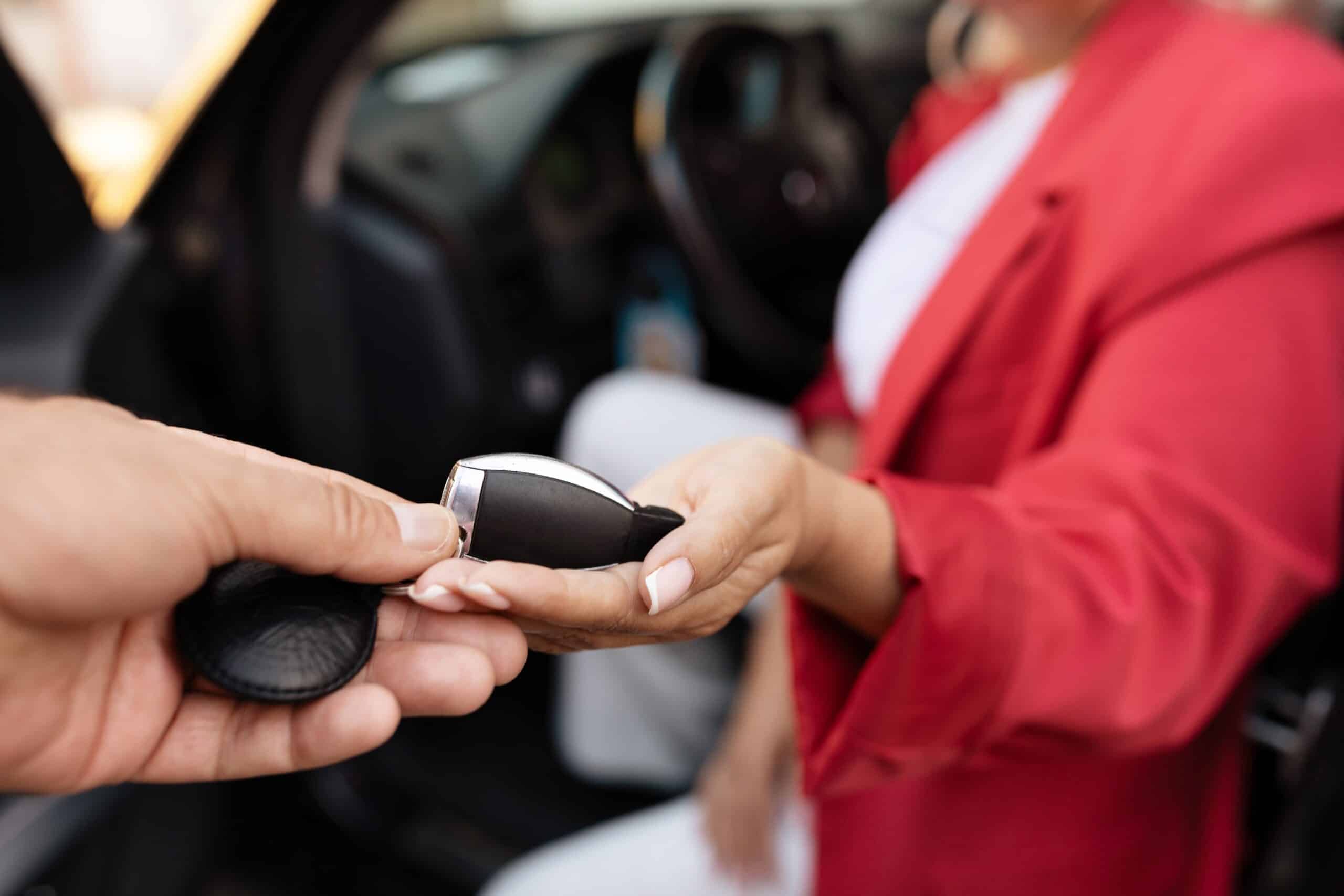
Do most car insurance policies cover other drivers?
No, most modern UK policies are named-driver-only and do not cover anyone who isn’t listed by name.
What about ‘any driver’ policies?
Some older-style or specialist policies still offer ‘any driver’ cover, but these are increasingly rare. They typically come with a higher premium and may still impose restrictions on driver age, licence type, or vehicle class.
If your policy doesn’t explicitly state it covers other drivers, assume it doesn’t. Check your certificate of insurance or call your insurer before handing over the keys.
What is the driving other cars (DOC) extension?
The DOC extension is often confused with letting others drive your car, but it works the opposite way. DOC covers the policyholder to drive someone else’s vehicle, not other people to drive theirs.
Only around 2% of UK comprehensive policies include DOC cover as standard. When it does apply, it provides third-party only protection and typically excludes drivers under 25 and business use.
How can someone else legally drive your car?
There are three ways to make sure another person is properly insured to drive your vehicle.
Add them as a named driver
The most common approach for regular borrowers is to add them as a named driver on your policy. Most insurers can process this online or by phone within minutes.
Adding an experienced driver with a clean record can sometimes reduce your premium. Adding a young or inexperienced driver will usually increase it.
Arrange temporary insurance
The other person can take out their own temporary car insurance covering them to drive your vehicle. Policies are available from 1 hour to 28 days and cost around £15 to £50 per day.
Temporary cover is a separate policy, so any claims go against that policy rather than yours. Your no-claims bonus stays protected.
Check their own policy for DOC cover
If the other driver has their own comprehensive policy with a DOC extension, they may already be covered to drive your car at third-party level. However, with only 2% of policies including DOC, this is unlikely.
What happens if an uninsured driver uses your car?
Both the driver and the vehicle owner face serious legal consequences under Section 143 of the Road Traffic Act 1988.
Penalties for the driver
- Fixed penalty: £300 fine and 6 penalty points on their licence
- Court prosecution: unlimited fine, up to 8 points, or discretionary disqualification
- Vehicle seizure: police can seize the vehicle on the spot and destroy it if unclaimed within 14 days
- Insurance record: the IN10 endorsement stays on their licence for 4 years and must be declared to insurers for 5 years
Consequences for the vehicle owner
If you knowingly allow someone to drive your car without insurance, you can be prosecuted for permitting uninsured driving. This offence carries the same penalties as driving uninsured, as confirmed by gov.uk guidance on vehicle insurance.
Even if an accident is entirely the other driver’s fault, your own insurer may refuse to cover damage to your vehicle.
What happens if there’s an accident?
Your insurer will almost certainly refuse to pay any claim. The Motor Insurers’ Bureau (MIB) may cover third-party injury and property-damage claims, but damage to your own vehicle won’t be covered.
You and the driver could face personal liability for all uninsured costs, including third-party vehicle repairs, medical bills, and legal fees.
Is a named driver or temporary insurance better value?
Named driver cover is better value for regular borrowers, while temporary insurance suits one-off or short-term situations.
| Factor | Named Driver | Temporary Insurance |
| Best for | Regular or daily access | One-off borrows (hours to days) |
| Typical cost | £50–£200 added to annual premium | £15–£50 per day |
| Affects your NCD? | Yes, if they claim | No, separate policy |
| Speed to arrange | Minutes (online or phone) | Minutes (online) |
| Cover level | Same as main policy | Comprehensive or third-party |
| Duration | Until policy renewal | 1 hour to 28 days |
If someone needs your car for a single day, one-day insurance keeps your policy and NCD completely separate. For household members or regular borrowers, adding them as a named driver is almost always cheaper.
Do household members need to be on your policy?
Yes, most insurers require anyone living at the same address who has regular access to your car to be declared as a named driver.
When temporary insurance is enough
If a household member only drives your car once or twice a year, temporary insurance may be acceptable. But if there’s any regularity to their use, adding them as a named driver is safer.
Why non-disclosure can void your policy
Failing to declare a regular household driver counts as non-disclosure. Your insurer could void your entire policy, refuse all claims, and you’d lose your no-claims bonus.
If you have multiple drivers in your household, multi-driver insurance may offer a more cost-effective solution than adding each person individually.
What is fronting and why is it illegal?
Fronting is when you take out a policy as the main driver but the car is primarily driven by someone else, usually a younger or higher-risk driver. This is insurance fraud.
How insurers detect fronting
Insurers use telematics data, mileage checks, and claims patterns to identify fronting. If discovered, your policy will be cancelled, all claims refused, and you could face prosecution.
Read more about what fronting is and how it’s detected before making any assumptions about who should be the main driver.
Parents often front for children without realising it’s fraud. If your child is the main user, they need their own policy so they can build their own no-claims bonus from day one.
Frequently Asked Questions (FAQs)
Only if your policy specifically covers other drivers, which most modern UK policies don’t. Your partner would need to be added as a named driver or arrange their own temporary cover.
If they’re a named driver on your policy and make a claim, your NCD could be affected. If they have their own temporary insurance, any claim goes against their separate policy and yours stays untouched.
Yes, provided they have valid insurance to drive it. The simplest option is for them to arrange one-day temporary insurance online, which typically costs £15 to £50.
Almost certainly not. Only around 2% of UK comprehensive policies include a DOC extension, and even then it provides third-party cover only.
You can be prosecuted for permitting uninsured driving under Section 143 of the Road Traffic Act 1988. The penalties match those for driving uninsured: a £300 fixed penalty and 6 points, or an unlimited fine and disqualification at court.