
Cat S vs Cat N: What Is the Difference?


Cat S means the vehicle has structural damage to its chassis, frame, or load-bearing components. Cat N means the damage is non-structural, affecting only panels, electrics, or mechanical parts.
Both are repairable write-off categories used by UK insurers, but Cat S is more serious because the vehicle’s crash protection has been compromised.
These categories replaced the older Cat C and Cat D classifications in October 2017. The updated system focuses on the nature of the damage rather than the cost of repair, giving buyers, sellers, and insurers a clearer picture of what happened to the vehicle.
Both Cat S and Cat N vehicles can be repaired and returned to the road with valid car insurance. The differences in DVLA requirements, repair complexity, and long-term value matter whether you are buying, selling, or insuring a write-off.
The line between them is structural damage. Cat S vehicles have taken damage to the chassis, frame or another load-bearing component; Cat N damage is confined to panels, electrics or mechanical parts. Both are repairable and both can legally return to the road, but both carry a permanent marker on the vehicle’s history that cuts resale value and narrows the pool of insurers willing to quote.
Compare car insurance quotes for a Cat S or Cat N vehicle.
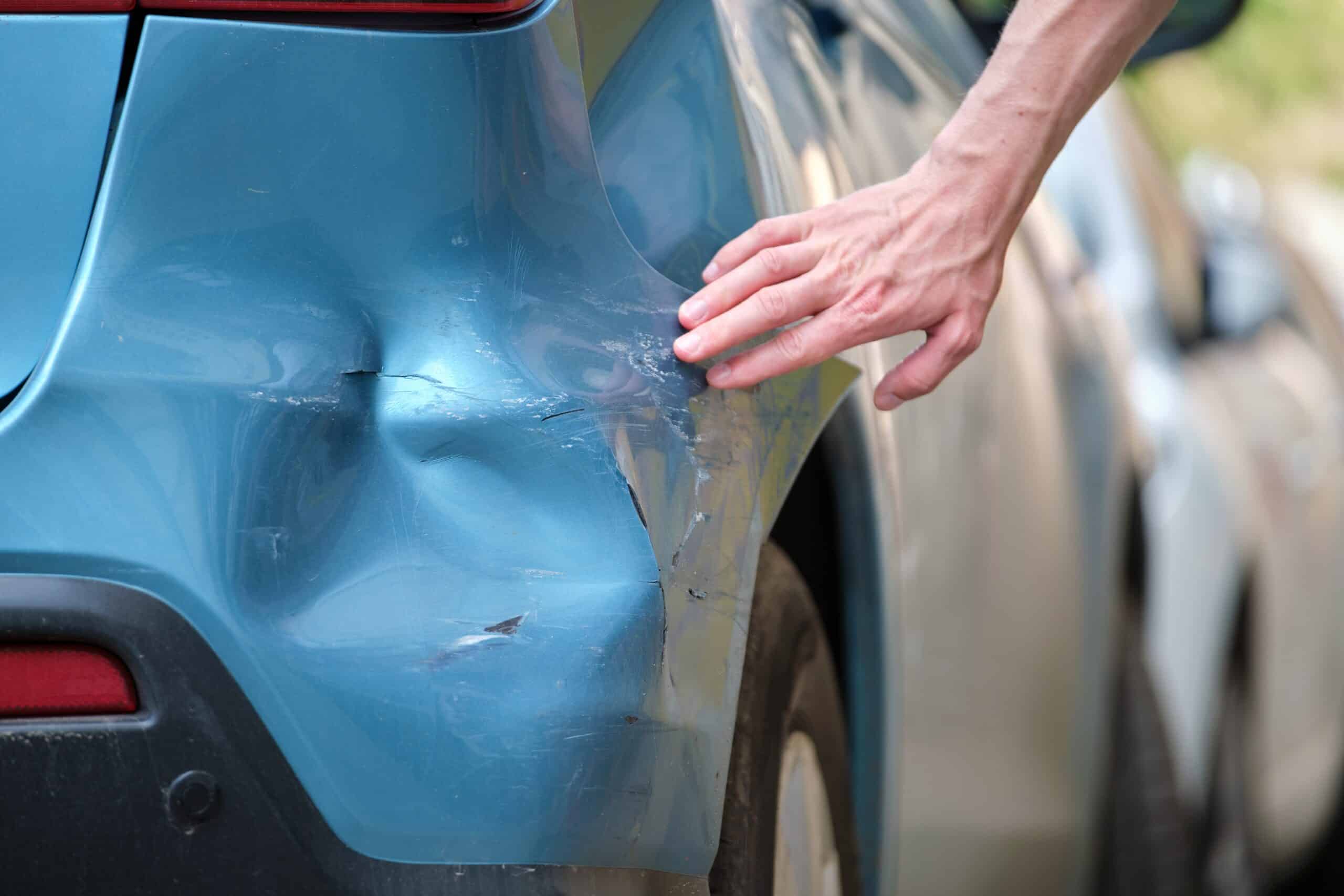
What does Cat S mean?
Cat S stands for Category S, covering vehicles with structural damage. This includes damage to the chassis, frame, crumple zones, pillars, roof rails, or any other component designed to absorb or redistribute impact force in a collision.
What counts as structural damage?
Structural components are the parts that give the vehicle its rigidity and protect occupants in a crash. Damage to any of these means the car cannot safely absorb impact until they are restored to the manufacturer’s original specification.
Common examples include bent chassis rails, cracked B-pillars, damaged floor pans, and deformed crumple zones. Repairing these requires specialist equipment such as a jig or laser alignment system to measure and correct the geometry.
What are the DVLA requirements for Cat S?
The insurer submits Form V23 to the DVLA under the Vehicle Registration Regulations 2002. The vehicle’s registration is flagged, and a new V5C logbook must be issued before the car can legally return to the road.
The old Vehicle Identity Check scheme was abolished in January 2015, so there is no mandatory government inspection beyond the standard MOT. The responsibility for ensuring that structural repairs meet safety standards rests entirely with the owner and the repairer.
What does Cat N mean?
Cat N stands for Category N, covering vehicles with non-structural damage only. The chassis and frame are intact, but other components such as body panels, electrical systems, airbags, suspension, or interior trim have been damaged beyond economical repair.
What types of damage fall under Cat N?
Cat N covers a wide range of non-structural issues. Cosmetic panel damage from a low-speed shunt, water damage to electrical systems from flooding, deployed airbags, failed gearboxes, and fire damage to the interior can all result in a Cat N classification.
Because the vehicle’s structural integrity is unaffected, Cat N repairs are generally simpler. Standard garages can handle most Cat N work without specialist chassis alignment equipment.
What are the DVLA requirements for Cat N?
Cat N does not require DVLA notification or re-registration. The insurer does not submit a V23 form, and no new V5C is needed.
However, the write-off is recorded on the Motor Insurance Anti-Fraud and Theft Register and will appear on any vehicle history check.
Buyers running an HPI check or similar service will see the Cat N marker. Although the DVLA is not involved, the insurance industry database creates a permanent record that follows the vehicle for life.
How do Cat S and Cat N compare side by side?
The core distinction is whether the damage is structural or non-structural. Every other difference follows from that single factor.
What does the comparison look like?
| Factor | Cat S | Cat N |
| Damage type | Structural (chassis, frame, pillars) | Non-structural (panels, electrics, mechanical) |
| DVLA notification | Yes, Form V23 submitted | No DVLA involvement |
| New V5C required | Yes, before returning to road | No |
| Repair complexity | Specialist jig and laser alignment | Standard garage repair |
| Typical repair cost | Higher, due to structural work | Lower, component replacement only |
| Resale value impact | 25-40% below clean equivalent | 15-25% below clean equivalent |
| Insurance premium impact | Marginally higher | Minimal increase |
| Permanent marker | Yes, on DVLA and MIAFTR records | Yes, on MIAFTR records only |
Both categories are permanent. Once a vehicle is classified as Cat S or Cat N, the marker cannot be removed regardless of the quality of repairs, according to ABI motor insurance guidance.
How are Cat S and Cat N vehicles repaired?
Cat S repairs require structural realignment using specialist equipment. Cat N repairs typically involve replacing damaged components without touching the chassis.
What does a Cat S repair involve?
The repairer begins with a full damage assessment using laser measuring equipment to identify every point where the chassis has moved from its factory specification. The vehicle is then mounted on a jig, and hydraulic rams pull the frame back into alignment millimetre by millimetre.
Damaged structural panels, pillars, or cross-members are cut out and welded replacements fitted. After realignment, the repairer checks wheel alignment, suspension geometry, and overall structural integrity before the vehicle goes for its MOT.
What does a Cat N repair involve?
Cat N repairs focus on the specific components that were damaged. This might include replacing body panels, repairing electrical wiring looms, fitting new airbags, respraying bodywork, or rebuilding suspension assemblies.
The work is generally quicker and less expensive than Cat S repairs because no structural realignment is needed. After repair, the vehicle must pass a standard MOT before returning to the road.
Why should you keep repair documentation?
Retain all invoices, photographs, and receipts from the repair process. Detailed documentation of professional work is valuable when selling the car, obtaining insurance, or demonstrating to a future buyer that the repairs were carried out to a proper standard.
The vehicle also needs a valid MOT before it can be taxed. Our guide on taxing a car without MOT explains the rules around timing.
How do Cat S and Cat N affect car insurance?
You must declare the write-off category when applying for insurance. Both Cat S and Cat N vehicles can be insured by most mainstream providers, though premiums may be slightly higher than for an equivalent vehicle with a clean history.
Will premiums be higher?
Cat S vehicles may attract marginally higher premiums because the structural repair history raises questions about the vehicle’s performance in a future collision. Cat N vehicles are generally treated more favourably because the structure was never compromised and comprehensive cover is usually available at standard rates.
The difference in premium between a clean vehicle and a write-off is typically modest. Our guide on lowering your car insurance premium covers practical ways to reduce costs regardless of your vehicle’s history.
How does the write-off marker affect agreed value?
The biggest insurance impact is on the vehicle’s agreed value. A write-off marker permanently reduces market value, which means the insurer will pay less if the car is written off again.
Understanding your excess is important here because you need to weigh it against the reduced payout.
Make sure the agreed value on your policy reflects the vehicle’s actual worth with its write-off history, not the value of a clean equivalent. Overstating the value wastes premium, while understating it leaves you underinsured.
Should you buy a Cat S or Cat N car?
A well-repaired write-off can offer genuine value if you do your homework. Cat S and Cat N vehicles sell for considerably less than clean equivalents, and many have been professionally restored to a high standard.
What checks should you run before buying?
Run an HPI or vehicle history check to confirm the write-off category and check for outstanding finance. The GOV.UK MOT history service lets you check the vehicle’s MOT record for free, including any advisory notes from previous tests.
Ask the seller for full repair documentation including invoices, photographs of the damage and repair process, and details of who carried out the work. For Cat S vehicles in particular, have an independent mechanic inspect the structural repairs before committing.
Factor in the reduced resale value when calculating overall cost. A Cat S car might save you 30% on the purchase price, but it will also lose 30% when you sell.
Our guide on car insurance costs helps you budget for the insurance side of ownership.
Frequently Asked Questions (FAQs)
Yes, once it has been properly repaired, re-registered with the DVLA with a new V5C logbook, and has a valid MOT certificate. There is no legal bar on driving a repaired Cat S vehicle.
Cat N damage is less severe because the vehicle’s structure was not compromised. However, both categories can be restored to safe, roadworthy condition if repairs are carried out properly by a qualified professional.
Yes, Cat N write-offs are recorded on the MIAFTR database and will appear on HPI checks and other vehicle history services. The DVLA is not notified for Cat N, but the insurance industry database records it permanently.
No, write-off markers are permanent. Once a vehicle has been classified as Cat S or Cat N, the marker remains on its history regardless of how well it has been repaired.
Cat S vehicles are typically cheaper because the structural damage history makes buyers more cautious. Cat N vehicles usually command slightly higher prices because the damage was less severe and the perceived risk is lower.
No, most mainstream insurers cover Cat S and Cat N vehicles. You must declare the category when applying, and premiums may be slightly higher, but specialist insurance is not normally required.