
Can You Keep A Written-Off Car?


Yes, if it is Category S or Category N. You negotiate salvage retention with your insurer, accept a reduced settlement, and take responsibility for repairing the vehicle yourself.
Category A and Category B vehicles must be scrapped by law and cannot be kept or returned to the road under any circumstances whatsoever.
When an insurer writes off your car, they normally take ownership and sell it at salvage auction. But you can ask to keep the car instead, provided the damage category allows it.
This can make financial sense if repairs are affordable and cheaper than buying a replacement. Around 562,000 vehicles were written off in the UK in 2024 alone, according to ABI data, so the situation is far from rare.
Only Cat S and Cat N can go back on the road. Cat A and Cat B cannot, whatever the damage looks like. Keeping the car means accepting a reduced payout, funding the repairs yourself, and then finding an insurer willing to cover a recorded write-off. It works when the damage is cosmetic and the car is worth more to you than to the market, and rarely otherwise.
Compare car insurance quotes before deciding whether to keep the salvage.
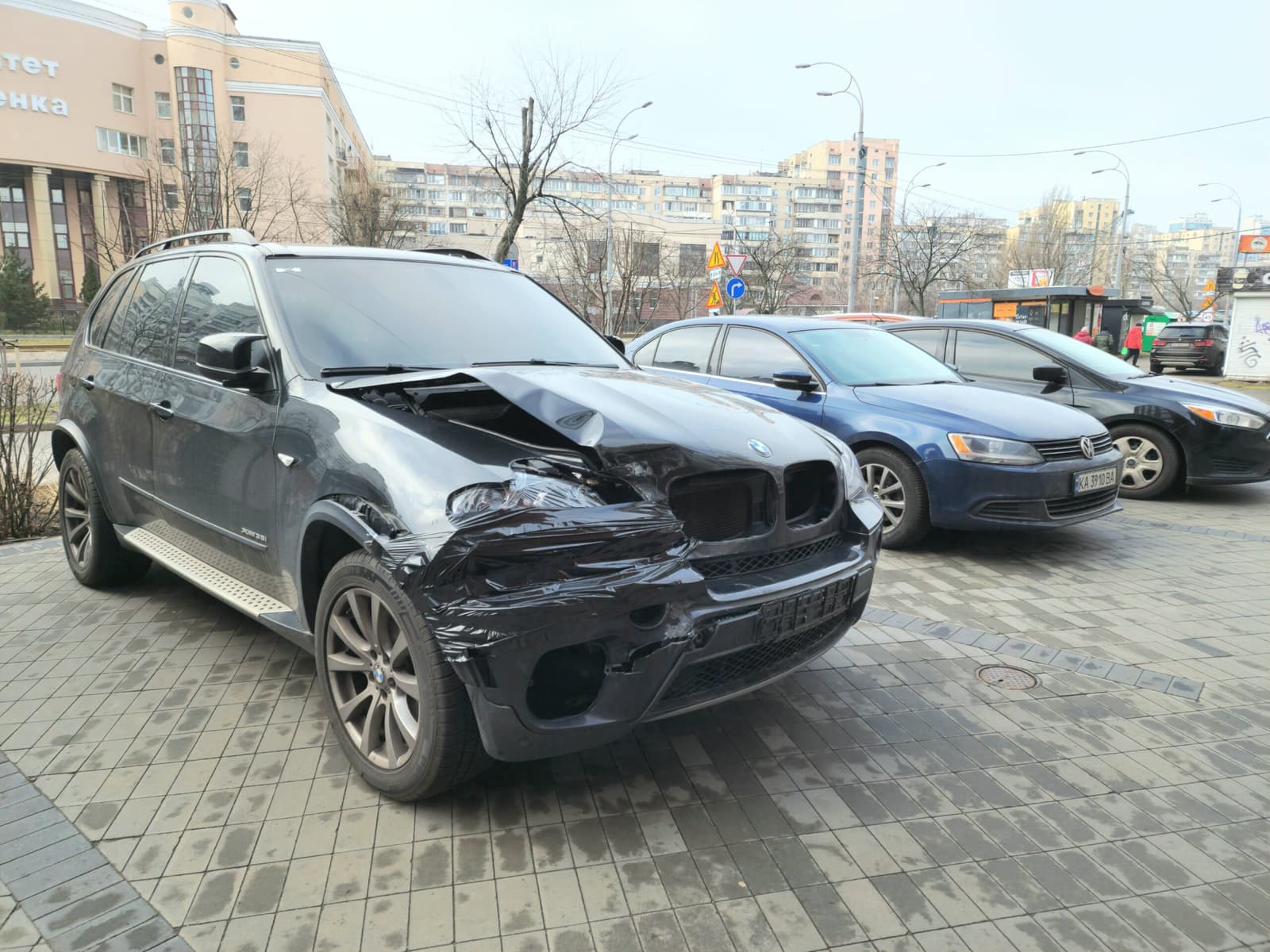
Which write-off categories can you keep?
Only Category S and Category N. Category A vehicles must be completely destroyed, and Category B vehicles have their body shell crushed, though individual parts may be salvaged.
How do the categories compare?
| Category | Damage type | Can you keep it? | Re-registration needed? |
|---|---|---|---|
| Cat A | Beyond repair (scrap only) | No | N/A |
| Cat B | Body shell destroyed | No (parts only) | N/A |
| Cat S | Structural damage | Yes | Yes (DVLA re-registration) |
| Cat N | Non-structural damage | Yes | No |
The category is assigned by the insurer’s engineer based on whether the repair cost exceeds the vehicle’s market value. A car can be written off even if the damage is repairable. Save up to £535.17* on your car insurance in minutes.
Compare Car Insurance
What is salvage retention?
Salvage retention means you negotiate with your insurer to keep the damaged vehicle instead of surrendering it. Your insurance payout is reduced by the vehicle’s salvage value.
How is the settlement calculated?
The salvage value typically ranges from 15% to 40% of the vehicle’s pre-accident market value. Your settlement is reduced by this amount, and you then own the car outright.
For example, a car valued at £8,000 with a salvage value of £2,000 would normally pay out £6,000 minus your excess. With salvage retention, the insurer might offer £4,000 to £5,000, and you keep the car.
You are then responsible for all repair costs, which come out of your own pocket. Make sure you understand your excess obligations before agreeing to the reduced settlement.
What are the legal requirements to return a written-off car to the road?
The requirements differ between Cat S and Cat N. Cat S vehicles must be re-registered with the DVLA before returning to the road, while Cat N vehicles do not require re-registration.
What does the Cat S process involve?
Your insurer notifies the DVLA of the write-off using Form V23, and the vehicle’s V5C registration document is cancelled. After completing all structural repairs, you apply to the DVLA for a new V5C in your name.
The vehicle must then pass an MOT test, and you need to arrange insurance declaring the write-off status before taxing and driving it.
What about Cat N?
Cat N is simpler because no DVLA re-registration is needed. Complete the repairs, pass an MOT if the vehicle is over three years old, arrange insurance declaring the write-off status, and tax the vehicle before driving on public roads.
The write-off is still permanently recorded on insurance databases and vehicle history checks, even though no structural damage occurred. Future insurers and buyers will always be able to see it.
How much do written-off car repairs cost?
Cat N repairs typically cost £1,500 to £5,000 and take two to four weeks. Cat S structural repairs can cost £5,000 to £15,000 or more and take four to eight weeks.
How do you decide if repairs are worth it?
Get detailed written repair quotes from at least two garages before deciding. Compare the total cost of salvage retention plus repairs against simply accepting the full insurance payout and buying a replacement vehicle.
If the repair cost plus the reduced settlement still leaves you worse off than buying an equivalent car, salvage retention is not worthwhile. Factor in the higher future insurance costs and lower resale value of a written-off vehicle when making the comparison.
Can you insure a kept written-off car?
Yes, you must declare the write-off status when applying for car insurance. Most insurers accept Cat N vehicles at standard or near-standard rates.
Cat S vehicles may be harder to insure and typically carry premiums 15% to 30% higher than equivalent non-written-off cars.
How can you keep insurance costs down?
Keep all repair invoices, photographs, and inspection reports. Providing evidence of professional repairs helps insurers assess the vehicle and may improve the quotes you receive.
Consider whether comprehensive cover is cost-effective based on the vehicle’s reduced market value. If the annual premium approaches the car’s worth, third-party fire and theft may be a more sensible option.
Shopping around at renewal is important because write-off surcharges vary between insurers. Our guide on lowering your car insurance premium covers other ways to reduce costs.
Is keeping a written-off car worth it?
It depends on the damage, repair costs, and your personal circumstances. Salvage retention makes most sense when the damage is Cat N, repairs are affordable, and you cannot easily replace the vehicle.
When does it make sense?
Cat N damage with relatively simple and affordable repairs is the clearest case for keeping the car. If you have access to a trusted mechanic or can do some of the work yourself, the savings compared to buying a replacement can be substantial.
Vehicles with sentimental value or specific modifications are also worth keeping. Under CIDRA 2012, you can also challenge the insurer’s valuation if you believe the pre-accident value was higher than their offer.
When should you not keep it?
Cat S structural repairs requiring specialist equipment are risky unless you are confident in the repairer’s quality. Poor structural repairs can create safety issues and affect future insurance claims.
If you plan to sell the vehicle soon, the 20% to 50% reduction in resale value from the write-off marker usually outweighs any savings from salvage retention.
Frequently Asked Questions (FAQs)
No, Category A vehicles must be completely destroyed and Category B vehicles have their body shell crushed. Neither can return to the road, though salvageable parts may be removed from Cat B vehicles before crushing.
Yes, your insurance settlement is reduced by the vehicle’s salvage value, which is the amount the insurer would have received at auction. You are effectively buying the salvage from the insurer.
Yes, if you believe the pre-accident valuation is too low, provide evidence from used car listings and trade guides. You can also escalate to the Financial Ombudsman Service if the dispute is not resolved.
The write-off marker stays on the vehicle permanently. Future insurers will see it and may adjust premiums accordingly, particularly for Cat S vehicles which carry higher loadings than Cat N.
Yes, but you must disclose the write-off history to buyers. The marker is visible through vehicle history checks, and write-off history reduces resale value by 20% to 50% depending on the category and vehicle.