Impound Insurance
Impound Insurance To Release Your Vehicle
Get the cover you need to release your vehicle from an impound.


Partnered with GoShorty





Compare insurance quotes from the UK’s leading impound insurance providers including:







What Is Impound Insurance?
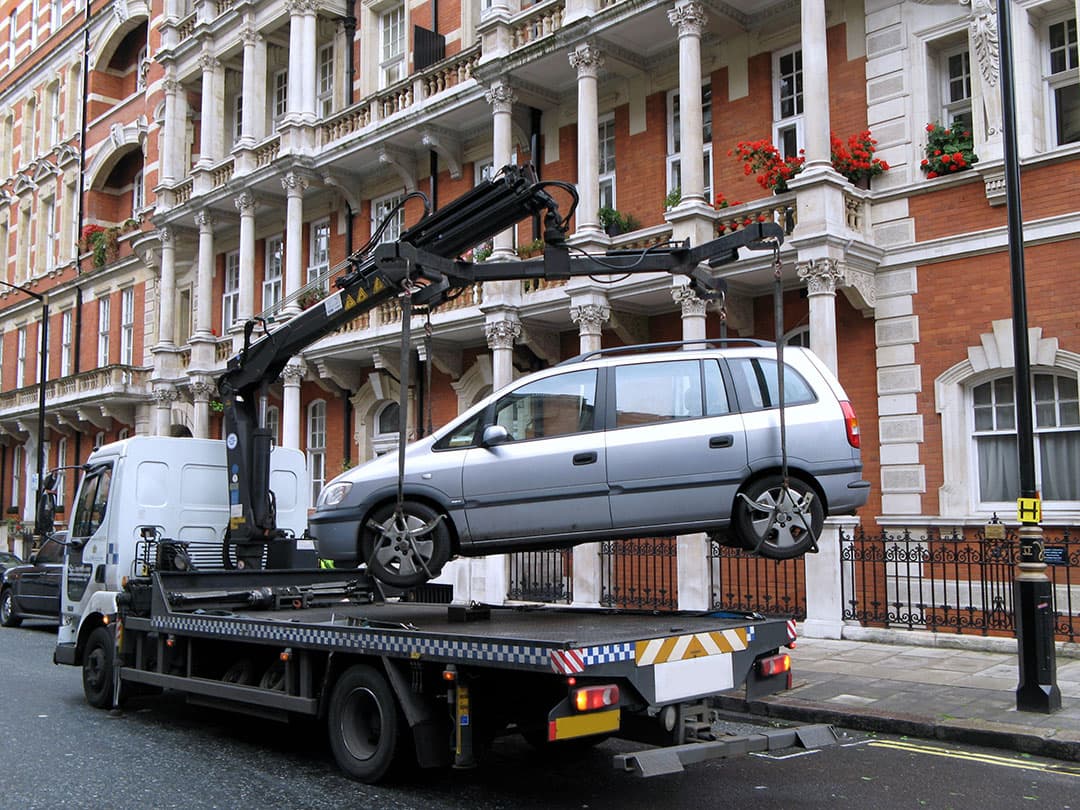
Impound insurance is a specialist 30-day policy that meets the legal requirements for releasing a vehicle from a police compound. Without it, the pound will not release your car, regardless of whether you have paid the fees.
Standard car insurance and one-day temporary policies will not work. Police require a minimum of 30 days’ continuous cover that appears on the Motor Insurance Database (MID).
Most impound policies are third-party only, covering damage to other people and their property. They do not cover damage to your own vehicle.

How To Compare Impound Insurance Quotes
Enter the car’s registration, your driving details, and the reason for the impound.
Enter vehicle details
Type in the registration number. The system pulls the car’s make, model, and insurance group automatically.
Add driver information
Licence type, years held, any claims or convictions, and whether you are the registered keeper. You must be the registered keeper for most impound policies.
Select impound release
Choose a 30-day impound release policy. This is the minimum duration that police compounds will accept.
Buy online
Review the quotes side by side. Every policy shown meets MID and DVLA requirements, so you will not be turned away at the compound.
Why Do You Need Impound Insurance?
You need impound insurance because a standard policy or short-term cover will not meet the legal requirements for releasing a vehicle from a police compound.
Why standard insurance will not work
Police require a 30-day minimum policy registered on the MID. Most annual policies take days to update on the database, and temporary policies are too short to qualify.
Why your car was seized
| Reason | What Happened | Extra Steps Needed |
|---|---|---|
| No insurance | Caught driving without valid cover | Buy impound insurance + pay fine |
| No road tax | Vehicle had no valid vehicle excise duty | Tax the vehicle before or after release |
| No MOT | Car was not roadworthy or had an expired MOT | Book an MOT before driving on public roads |
| Driving offence | Seized following a motoring conviction | May need specialist convicted driver cover |
| Illegal parking | Persistent or obstructive parking violation | Pay parking fines + release fee |
If your car was seized because of a driving conviction, you may also need convicted driver insurance or temporary cover for convicted drivers depending on your situation.
What happens if you do not act quickly?
Storage fees are £26 per day under the current government schedule. If you leave your car for 14 days, the police can apply to have it crushed or sold at auction, and you lose the vehicle entirely.
How To Get Your Car Released From The Compound
Buy a valid 30-day impound insurance policy, gather your documents, visit the compound in person, and pay the release and storage fees.
Buy impound insurance
Get a 30-day policy from a specialist provider. Your insurance certificate will usually be emailed within minutes of purchase, so check that it shows 30 days of cover and your correct details.
Gather your documents
You will need your insurance certificate, V5C logbook, driving licence, and the seizure notice from the police. If you have lost the V5C, you can apply for a replacement from the DVLA.
Visit the compound
Most compounds require you to attend in person. Some operate by appointment only and have limited opening hours, so call ahead before turning up.
Pay the fees
The compound charges a release fee plus a daily storage rate for every day your car has been held, and you will need to have already paid for your impound insurance policy.
| Fee Type | Cost |
|---|---|
| Release fee (on-road, upright) | £192 |
| Release fee (damaged or rolled) | £320 |
| Storage (per day) | £26 |
| 7 days’ storage | £182 |
| 14 days’ storage | £364 |
| 30-day impound insurance | £200–£300 |
These are the 2023 government baseline figures. The total cost of releasing a car after one week is typically £574–£674 including insurance, release fee, and storage.
Acting on day one saves you £182 in storage alone, so do not wait.
Inspect and drive home
Check the car for any damage before you leave the compound. If the car has no valid MOT, you cannot legally drive it on public roads, so arrange recovery or book an MOT before collecting it.
What Does Impound Insurance Cover?
Impound insurance provides 30 days of third-party cover. This is the legal minimum required to drive on UK roads and the standard accepted by police compounds.
What is included?
| Covered | Not Covered |
|---|---|
| Third-party injury and property damage | Damage to your own vehicle |
| 30 days of continuous cover | Theft or fire damage to your car |
| MID registration (proof for the compound) | Breakdown or recovery after release |
| Legal minimum to drive on public roads | Commercial or business use |
If you want your own vehicle protected too, you will need to upgrade to a fully comprehensive annual policy after your car is released. Impound insurance is designed for release, not long-term driving.
Does it affect the registered keeper’s no-claims bonus?
No, impound insurance is a standalone policy. Any claims are handled separately and will not affect an existing no-claims bonus on another policy.
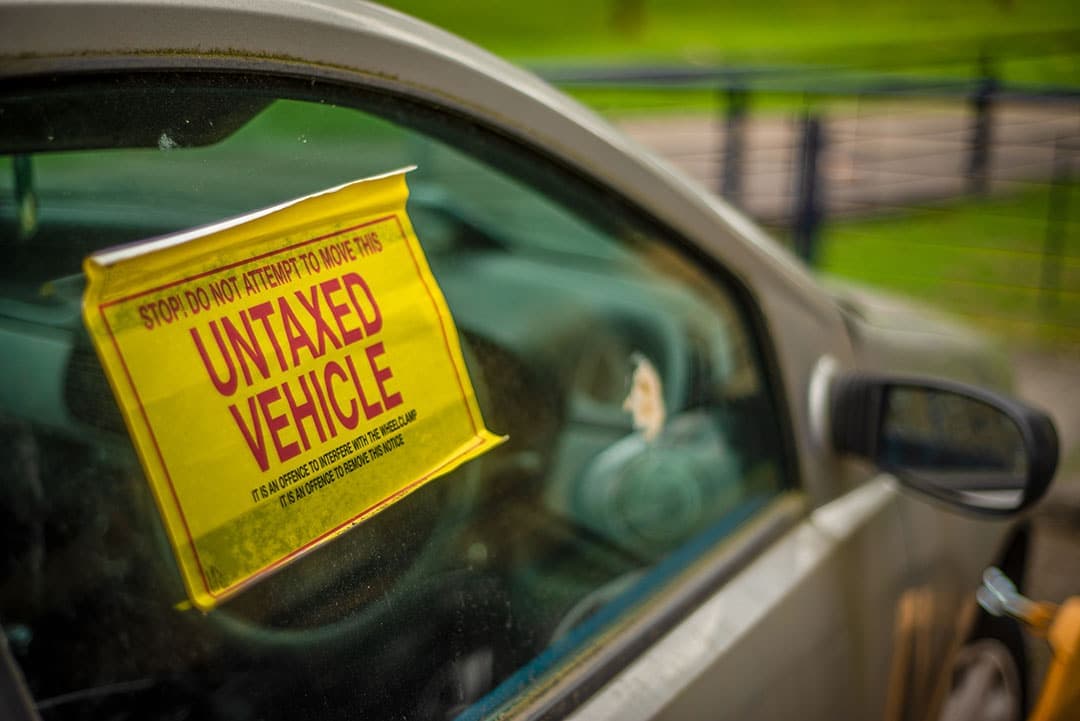
What If Your Car Was Clamped Instead?
Clamping is different from impounding. If your car is clamped on a public road, you have 24 hours to pay £100 for release before it gets towed to a compound.
How clamping fees work
Pay within 24 hours and the clamp is removed for £100. After 24 hours, your car is towed to a compound and the fee rises to £200 plus £21 per day in storage.
You can find the full schedule of clamping and removal fees on the government’s clamped and towed vehicles page.
Do you need insurance for a clamped car?
You do not need specialist impound insurance for a clamped car. If the clamp was fitted because you had no insurance, you will need to arrange standard cover before the clamp is removed.
What Happens If A Stolen Car Is Impounded?
If your stolen car is recovered by police and taken to a compound, you will still need to collect it and may need impound insurance to drive it away.
How to collect a stolen car from the compound
Contact the police for the compound location and reference number. Bring your V5C, driving licence, and proof of insurance, along with the crime reference number from when you reported the theft.
Will your existing insurance cover it?
If your annual policy is still active, it should be enough to release the vehicle. If the policy lapsed or was cancelled while the car was missing, you will need a 30-day impound policy before the compound will release it.
Compare Impound Insurance
Get the cover you need to release your vehicle from an impound.
How Much Does Impound Insurance Cost?
Impound insurance typically costs between £200 and £300 for a 30-day policy. The exact price depends on your age, driving history, the vehicle, and the reason for the impound.
What affects the price?
Your age and driving experience are the biggest factors. Drivers with convictions, especially drink driving or driving without insurance, will pay more.
The car’s value and insurance group also affect the quote, along with the reason your vehicle was seized.
How to keep costs down
Compare quotes from multiple providers rather than buying the first policy you find. Have all your documents ready before you start, because errors or reapplications waste time and can increase your premium.
If you also need to sort out long-term cover after release, a separate temporary car insurance policy or annual deal will almost always be cheaper per day than extending your impound cover.
All impound insurance providers must be authorised by the Financial Conduct Authority. Check a provider’s registration before buying if you have not heard of the brand.
What Happens After Your Car Is Released?
Your impound insurance lasts 30 days from the start date, giving you time to arrange long-term cover. Do not let it lapse without having a replacement policy in place.
Arrange proper insurance
Impound cover is third-party only and not designed for everyday driving. Switch to a standard annual policy as soon as you can, ideally before the 30 days are up.
Check tax and MOT
If your car was seized for having no tax, you will need to tax it before driving on public roads. You can check whether your vehicle needs insurance and tax on the government website.
If the car has no MOT, you cannot legally drive it except to a pre-booked MOT appointment. If you are not driving the vehicle at all, you must declare a SORN and keep it off public roads.
Can someone else drive the car?
No, impound insurance covers only the named policyholder. If someone else needs to drive, they will need their own policy or to be added as a named driver on a separate annual policy.

Frequently Asked Questions
No, police compounds require a minimum of 30 days’ continuous cover registered on the Motor Insurance Database. One-day and temporary policies will not be accepted.
Within minutes. Complete the quote online, pay securely, and your insurance certificate is emailed straight away.
Yes, most impound insurance policies require the policyholder to be the registered keeper shown on the V5C logbook.
You cannot drive a car without a valid MOT on public roads except to a pre-booked MOT appointment. If the MOT has expired, arrange recovery or book a test before collecting the vehicle.
No, impound insurance is third-party only. It covers damage to other people and their property, not your own vehicle.
Some providers offer this option, but not all. Check at the point of quote whether an upgrade to annual cover is available.
After 14 days, the police can apply to have your vehicle crushed or sold at auction. You will also keep accumulating storage fees of £26 per day.
Yes, several specialist providers accept drivers with convictions including DR10 and IN10 offences. The premium will be higher than standard impound cover.
No, clamping means a wheel lock is fitted while the car stays where it is, costing £100 if paid within 24 hours. Impounding means police have seized the car and taken it to a compound, starting at £192 plus £26 per day in storage.
Yes, once the police have finished examining the vehicle you can collect it from the compound. You will need your V5C, driving licence, proof of insurance, and the crime reference number.
Car Insurance Guides