
Are Christmas Presents Covered By Home Insurance?


Yes, Christmas presents stored in your home are covered under your contents insurance against theft, fire, flood, and other insured perils. However, your policy’s single-item limit and total sum insured still apply, so a large amount of Christmas shopping could leave you under-insured.
The festive season is when households temporarily hold far more valuable items than usual, from new electronics and jewellery to designer goods and children’s gifts. Understanding how your contents insurance handles this spike helps you avoid a shortfall if something goes wrong.
Presents stored at home are covered by your contents insurance, wrapped or not. The two things that catch people out are the single-item limit, usually £1,000 to £2,500, and a sum insured that a big December spend can quietly push you past. Anything left in the car is not covered by your home policy at all.
Compare home insurance quotes and check your cover before the shopping starts.
- Are Christmas presents covered by contents insurance?
- Could your Christmas shopping push you over your sum insured?
- What about the single-item limit?
- Are presents covered if stolen from your car?
- What if presents are damaged by a burst pipe or flood?
- How do you prove what presents you had?
- How can you protect your Christmas gifts?
- Frequently asked questions (FAQs)
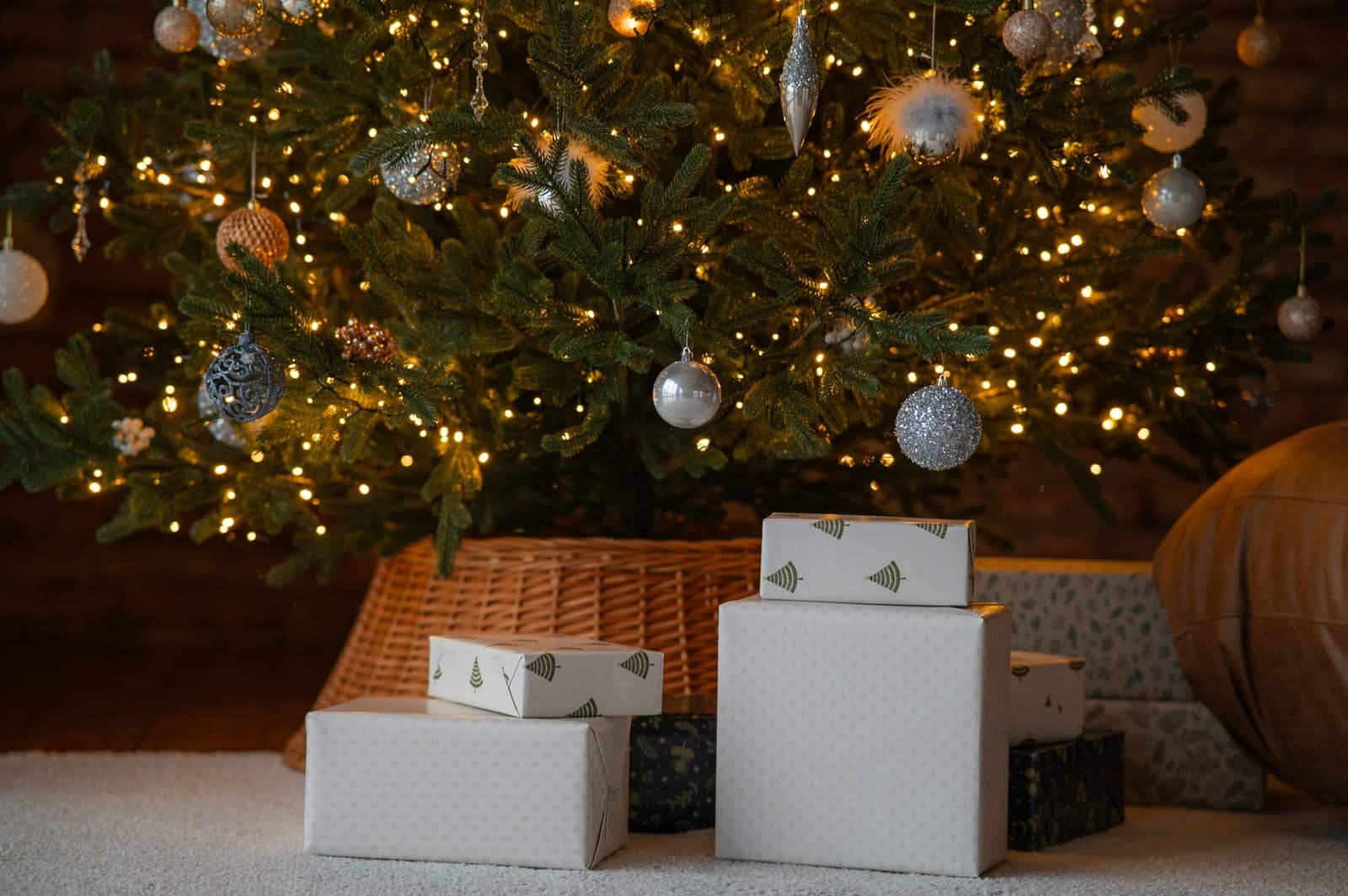
Are Christmas presents covered by contents insurance?
Yes, any presents you have bought and stored at home are covered by your contents insurance. They are protected whether wrapped, unwrapped, or still in their original packaging.
What about presents that haven’t been given yet?
Gifts you have purchased are your property until you hand them over. Your contents policy covers them exactly as it would any other household item.
They don’t need to be in any particular state to be covered. For a full breakdown of what your policy includes, see our guide to what home insurance covers.
Are items belonging to guests covered?
Presents that belong to someone else and are temporarily stored at your home may not be covered. Your contents insurance covers possessions belonging to you and the permanent residents of your household.
If a relative leaves gifts with you for safekeeping, check whether your policy includes temporary visitor possessions. If it doesn’t, ask them to check their own cover.
| Location | Covered? | Notes |
|---|---|---|
| Inside your home | Yes | Standard contents cover applies |
| In your car | No | Home contents does not cover items in vehicles |
| In a locked shed or garage | Check policy | Only if outbuildings are covered and security conditions are met |
| At someone else’s home | No | Your cover is for your own property |
| In transit (posted) | No | Retailer or courier responsibility until delivery |
Could your Christmas shopping push you over your sum insured?
Yes, it could. Your sum insured is the total value of all your contents combined, and a large amount of Christmas spending can temporarily push you past that figure.
How does the average clause work?
If you claim while under-insured, your insurer may apply the average clause. According to the ABI, this means they pay only a proportion of your claim based on the ratio of your sum insured to the actual value of your contents.
For example, if your contents are worth £60,000 but your sum insured is only £40,000, the insurer could pay just two-thirds of any claim. Contact your insurer before the shopping season to check whether a temporary increase is needed.
What about the single-item limit?
Your policy’s single-item limit applies to Christmas presents the same way as any other item. Gifts worth more than the limit, typically £1,000 to £2,500, need to be specified on your policy to be fully covered.
Which Christmas gifts are most likely to exceed the limit?
Watches, laptops, tablets, designer handbags, and jewellery are the most common items that breach single-item limits. Engagement rings given at Christmas are another frequent catch.
If you are buying an expensive gift, contact your insurer with the item description and value. They can add it to your policy temporarily for the period you need.
Are presents covered if stolen from your car?
No, standard home contents insurance only covers items inside your home. Presents left in your car are not covered by your home policy, even if you have just purchased them.
What does car insurance cover?
Your car insurance may provide limited cover for personal belongings stolen from your vehicle. This is usually a small amount with strict conditions: items must be locked out of sight in the boot, and there must be evidence of forced entry.
The safest approach is to avoid leaving presents in an unattended vehicle. If you must, lock them in the boot and don’t leave the car for longer than necessary.
What if presents are damaged by a burst pipe or flood?
Damage caused by burst pipes, escape of water, fire, or other insured perils is covered under your contents policy. If you have accidental damage cover, you are also protected against mishaps like spilling drinks on electronics or accidentally breaking a gift.
How should you store presents safely?
Avoid storing gifts in lofts, basements, or under stairs where burst pipes are most likely to cause water damage. Use waterproof containers if these are your only storage options.
Photograph the damage before moving anything if you need to make a claim. Keep receipts or proof of purchase for each item to speed up the process.
How do you prove what presents you had?
Your insurer will ask for evidence of ownership and value if you make a claim. Keeping records of your Christmas shopping makes the process faster and reduces disputes over your excess and payout.
What evidence do insurers accept?
| Evidence type | How to keep it |
|---|---|
| Purchase receipts | Store paper receipts separately from gifts; save email confirmations |
| Online order history | Keep confirmation emails and screenshot your orders |
| Bank or card statements | Transaction records show what you spent and where |
| Photographs | Take photos of high-value gifts before wrapping them |
| Gift list | Keep a digital list of what you bought, for whom, and the cost |
Store your records digitally so they survive any incident that damages the gifts themselves. A cloud drive or email to yourself keeps everything accessible.
How can you protect your Christmas gifts?
A few practical steps reduce the risk of theft or damage during the festive season. Taking basic precautions also helps avoid anything that could invalidate your home insurance.
What security steps reduce your risk?
- Don’t leave packaging from expensive items visible in your recycling or bins. Break boxes down and take them to a recycling centre.
- Close curtains once it gets dark. Piles of presents visible through windows attract attention.
- Store gifts in an interior room rather than a garage, shed, or loft where possible.
- Use tracked and signed-for delivery when posting gifts to friends or family.
- Check your locks, alarm, and lighting before the festive season.
According to the ONS crime survey, the Christmas period sees a spike in residential burglaries. Making your home look occupied when you are out, using timer switches for lights and keeping curtains drawn, is one of the simplest deterrents.
Frequently Asked Questions (FAQs)
No. You only need to contact your insurer if an individual item exceeds your single-item limit (typically £1,000 to £2,500) or if your total Christmas spending pushes the overall value of your contents past your sum insured.
Damage during delivery is the retailer’s or courier’s responsibility, not your home insurer’s. Contact the retailer for a replacement or refund under the Consumer Rights Act 2015, and once the item is in your home, your contents insurance covers it.
Yes, once you receive a gift and it is in your home, it becomes your property and is covered by your contents insurance. If the gift is high-value and exceeds your single-item limit, specify it on your policy to get full cover.
Theft during a burglary is a standard insured peril, and presents stolen from your home are covered under your contents policy subject to your single-item limit and sum insured. Report the theft to police, get a crime reference number, and contact your insurer with evidence of what was taken.
Personal possessions cover (also called all-risks cover) extends protection to items you carry outside your home. If a gift is stolen while you are shopping, this add-on would apply, but standard contents insurance would not.
Many insurers allow temporary increases to your sum insured, so contact your provider before the shopping season to arrange this. Some policies include an automatic seasonal increase, but check whether yours does rather than assuming.
You can compare home insurance quotes through SimplyQuote to find the right cover for your home and contents.