
What Can Invalidate My Home Insurance?


Your home insurance can be invalidated if you breach the policy terms, fail to disclose changes to your circumstances, leave the property unoccupied beyond the policy limit, neglect basic maintenance, or make a dishonest claim.
Consequences range from a reduced payout to the policy being voided and all premiums forfeited, depending on whether the breach was careless, deliberate, or reckless.
Most invalidation disputes come down to one of two things: something the policyholder forgot to tell the insurer, or something they did (or did not do) that changed the risk. Under the Consumer Insurance (Disclosure and Representations) Act 2012, the insurer’s remedy depends on the type of breach, not just the fact of it.
This guide walks through the nine most common triggers, what the law actually says, and how to keep your home insurance valid when you need it most.
Most home insurance claims are refused because of something the policyholder forgot to tell the insurer or failed to maintain, not because the event wasn’t covered. Empty homes beyond 30-60 days, known leaks left unfixed, and missing lock requirements can all void a claim.
Review your home insurance policy wording to check the conditions you need to meet before a claim lands.
- Do you have to tell your insurer about changes?
- Does leaving your home empty invalidate your insurance?
- Can poor security invalidate a theft claim?
- Does working from home affect your cover?
- Do you need to tell your insurer about renovations?
- What happens if you take in a lodger?
- Can lack of maintenance invalidate your claim?
- What happens if you exaggerate a claim?
- What happens if you miss a premium payment?
- Frequently asked questions (FAQs)
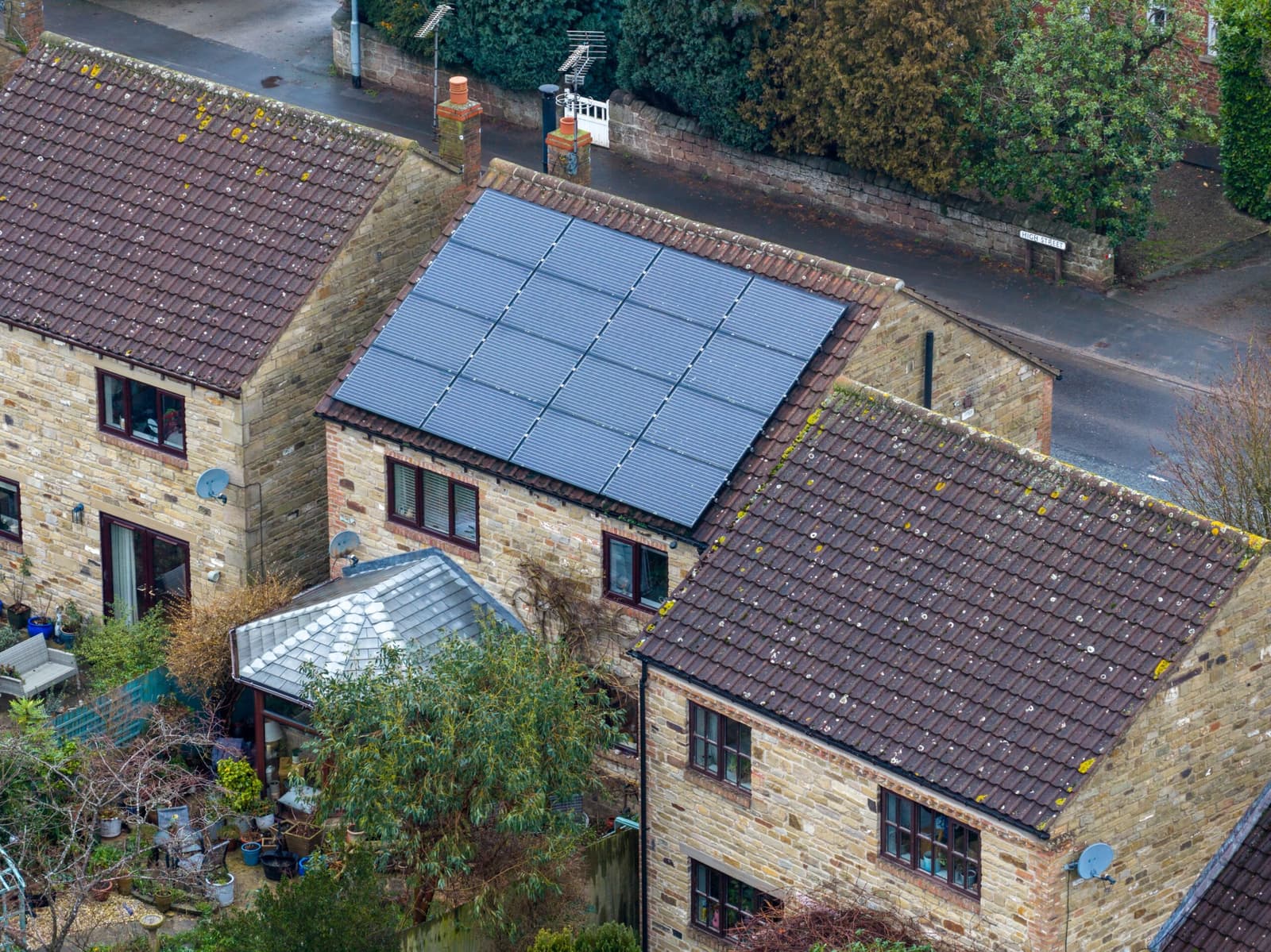
Do you have to tell your insurer about changes?
Yes. Home insurance is priced on the information you give at inception and renewal, so material changes to your circumstances must be reported, usually within 30 days.
Which changes count as material?
A change is material if it affects how an insurer would price or accept the risk. Common examples include renovations, a change of use (such as running a business from home), taking in a lodger, prolonged unoccupancy, and changes to locks or alarms.
Even cosmetic-sounding changes can matter. A new driveway, a trampoline in the garden, or a summerhouse worth more than the single-item limit can all shift the risk profile. You could save up to £257* on your home insurance.
Compare Home Insurance
What does CIDRA 2012 say?
The Consumer Insurance (Disclosure and Representations) Act 2012 replaced the old “utmost good faith” duty with a duty to take reasonable care not to misrepresent. The insurer’s remedy scales with the type of breach.
| Type of breach | Insurer’s remedy under CIDRA 2012 |
| Honest mistake | Policy remains valid in full. Claims paid as normal. |
| Careless misrepresentation | Proportionate remedy: claim reduced or premium adjusted to what the insurer would have done with correct information. |
| Deliberate or reckless misrepresentation | Policy voided from inception. All claims refused, premiums forfeited. |
An honest slip at renewal does not automatically void your cover. Only a deliberate or reckless answer hands the insurer the right to walk away entirely.
Does leaving your home empty invalidate your insurance?
Yes, once the unoccupancy period in your policy is exceeded. Most UK insurers limit or exclude cover after the property has been empty for 30 to 60 consecutive days.
Why insurers treat empty homes as higher risk
An unoccupied property is more vulnerable to escape of water, theft, and vandalism. A burst pipe over a long weekend can flood a house, but the same pipe left for a month can cause structural damage running into tens of thousands.
Typical inoccupancy thresholds
Thresholds vary by insurer and are set out in the policy schedule. Common ranges are 30, 45, 60, or 90 consecutive days, after which perils such as theft, malicious damage, and escape of water are often excluded.
If you know the property will be empty for a holiday, hospital stay, probate, or between tenancies, tell your insurer in advance. They may add conditions, extend the limit, or recommend a specialist unoccupied property policy.
Can poor security invalidate a theft claim?
Yes. If your policy specifies minimum security standards and they are not in place or not used, a theft or burglary claim can be refused.
Standard lock requirements
Most insurers require BS3621 five-lever mortice deadlocks on external wooden doors, multi-point locking on uPVC or composite doors, and key-operated locks on accessible windows.
Alarm and activation conditions
Policies that include an alarm warranty require the alarm to be set whenever the property is unoccupied. A theft claim where the alarm was not activated can be refused, even if it was working.
Keys, safes, and unforced entry
If a thief enters using a key left under a plant pot, in a key safe visible from the road, or by an unlocked back door, most policies will not pay. Theft cover usually requires evidence of forcible and violent entry.
Does working from home affect your cover?
It depends on what you do. Clerical work on a laptop rarely affects cover, but storing stock, seeing clients at home, or running a trade from a workshop is a material change that must be declared.
Low-risk home working
If you sit at a desk answering emails and taking calls, most insurers treat this as standard occupancy. Business equipment up to a set limit (often £3,000 to £5,000) may already be included.
When you need to declare
Tell your insurer if clients or customers visit, if you store stock or high-value tools, if you have specialist equipment beyond a standard laptop, or if you run a workshop from an outbuilding.
Failing to declare business use can lead to a refused claim and, in some cases, the policy being voided for non-disclosure at renewal.
Do you need to tell your insurer about renovations?
Yes. Most policies require you to notify your insurer before major building work starts, because extensions, loft conversions, rewiring, and roof replacements all alter the risk.
What counts as major work?
Extensions, loft or garage conversions, structural alterations, full rewires, new roofs, and anything that breaches the building envelope. Decorating, replacing a carpet, or swapping a kitchen unit usually does not trigger a notification clause.
How insurers respond
Some insurers continue cover with additional conditions (for example, scaffolding must be removed at night). Others pause buildings cover during works and ask you to arrange a contractor’s policy or a specialist renovation extension.
If damage occurs during undeclared building work, the insurer can argue the non-disclosure was material. For larger projects, specialist non-standard home insurance may be the cleaner option.
What happens if you take in a lodger?
Standard home insurance is written on the basis of single-household occupancy, so taking in a lodger changes the risk and should be declared. Most insurers can endorse the existing policy; some will not.
Lodger vs tenant vs HMO
A lodger shares the property with the owner and typically pays for a room with shared facilities, while a tenant has exclusive possession under a tenancy agreement. An HMO has three or more unrelated occupants sharing amenities.
What cover you actually need
A lodger is usually handled by a policy endorsement. If you rent the whole property out, you need landlord insurance rather than standard home cover.
An HMO needs a specialist HMO or landlord policy written on that basis, since standard home and even standard landlord wordings often exclude HMOs.
Can lack of maintenance invalidate your claim?
Yes, home insurance covers sudden, unexpected events rather than gradual deterioration, so neglect is one of the most common reasons claims are scaled back or refused outright.
Four maintenance failures insurers flag
Known leaks left unfixed, blocked gutters causing water ingress, roofs in poor condition before a storm, and broken locks or windows the owner never repaired. Each one gives the insurer a wear-and-tear argument.
How to protect your claim
Fix issues promptly, keep receipts and dated photos of repairs, and service boilers, alarms, and electrics at the intervals the manufacturer or installer recommends. Evidence of routine upkeep is the single strongest defence against a neglect refusal.
What happens if you exaggerate a claim?
The entire claim can be refused, the policy cancelled from the date of the fraudulent act, and your name placed on the Insurance Fraud Register. Exaggeration is treated the same as invention.
What counts as insurance fraud?
Inflating the value of stolen goods, inventing damage, claiming for items you never owned, or staging an incident. The Insurance Act 2015 and the Fraud Act 2006 give the insurer strong remedies against any of these.
The consequences are long-term
If fraud is established, the insurer refuses the whole claim (including any genuine part), voids the policy, and keeps the premium. A record on the Insurance Fraud Register can make future cover far harder and more expensive to buy for years.
How to build an honest, watertight claim
Keep receipts, serial numbers, and timestamped photos of valuables, and report theft to the police within 24 hours so you can quote the crime reference on the claim. Stick to what you can evidence and let the loss adjuster fill in any gaps.
What happens if you miss a premium payment?
Missing a premium payment starts a short grace period. If the balance is not paid, the policy lapses and you are uninsured from that point until cover is reinstated or a new policy starts.
Annual vs monthly payments
Annual policies rarely lapse for non-payment because the premium is paid upfront. Monthly direct debits are where most lapses happen, usually after one or two failed collections.
If you are struggling to pay
Contact the insurer before the policy lapses, because most will discuss a payment plan, a date change, or switching to a lower-excess tier. A short call is always better than a gap in cover you only discover at claim time.
Frequently asked questions (FAQs)
No, an honest mistake does not void cover. Under CIDRA 2012 a careless answer only allows a proportionate remedy such as reducing a claim to what the insurer would have paid with correct information, while deliberate or reckless misrepresentation is the only breach that lets the insurer void the policy entirely.
Contact the insurer as soon as you notice. Prompt disclosure shows good faith and lets them adjust the policy, and it is far better than the issue surfacing during a claim where it will be treated as an undisclosed material fact.
For most remote workers the impact is minimal and the standard home policy still applies. You only need to declare it if you store stock, see clients, or run a trade or craft business from the property.
Most UK policies apply an unoccupancy clause once the property has been empty for 30 to 60 consecutive days, with specific perils excluded after that. Check your schedule and tell the insurer in advance if you will exceed the limit.
The insurer must explain the reason in writing and give you access to their complaints process. If you are not satisfied with the outcome, you can escalate free of charge to the Financial Ombudsman Service, which provides an independent decision within the £430,000 award limit.
Yes, insurers expect theft to be reported to the police within 24 hours and the crime reference is usually required on the claim form. Without one, theft cover can be declined outright.
No, gradual water damage from a leak you knew about but did not fix is classed as neglect rather than a sudden event, so most policies will not pay. Fix leaks promptly and keep receipts as evidence of maintenance.
Yes, but options narrow and premiums rise. A voided policy is usually declared on future applications and may push you towards non-standard home insurance, which is written for applicants with previous claims, convictions, or disclosure issues.