
Do Alloy Wheels Affect Insurance?


Standard alloy wheels that came with your car from the factory do not affect insurance at all. Aftermarket or upgraded alloy wheels are classed as a vehicle modification, and fitting them typically increases premiums because they cost more to replace and are more attractive to thieves.
The distinction between factory-fitted and aftermarket is what matters. Your insurer has already priced in whatever wheels the manufacturer originally specified, so standard alloys carry no additional cost.
If you upgrade to non-standard alloys, you must declare the change to your car insurance provider. The size of any premium increase depends on the wheels, your insurer, and how far the upgrade departs from the original specification.
Only if they are aftermarket. Alloys fitted at the factory are part of the car’s standard specification and change nothing. Upgraded or replacement alloys are a modification and must be declared, because they raise both the theft risk and the repair cost. Not declaring them is the expensive mistake here: it gives the insurer grounds to reduce or refuse a claim that has nothing to do with the wheels.
Compare modified car insurance and declare your alloys properly.
- Do aftermarket alloy wheels increase your premium?
- Why do insurers charge more for modified alloys?
- How much extra will you pay?
- What happens if you do not declare alloy wheels?
- Is specialist alloy wheel insurance worth it?
- How can you keep costs down with aftermarket alloys?
- Frequently asked questions (FAQs)
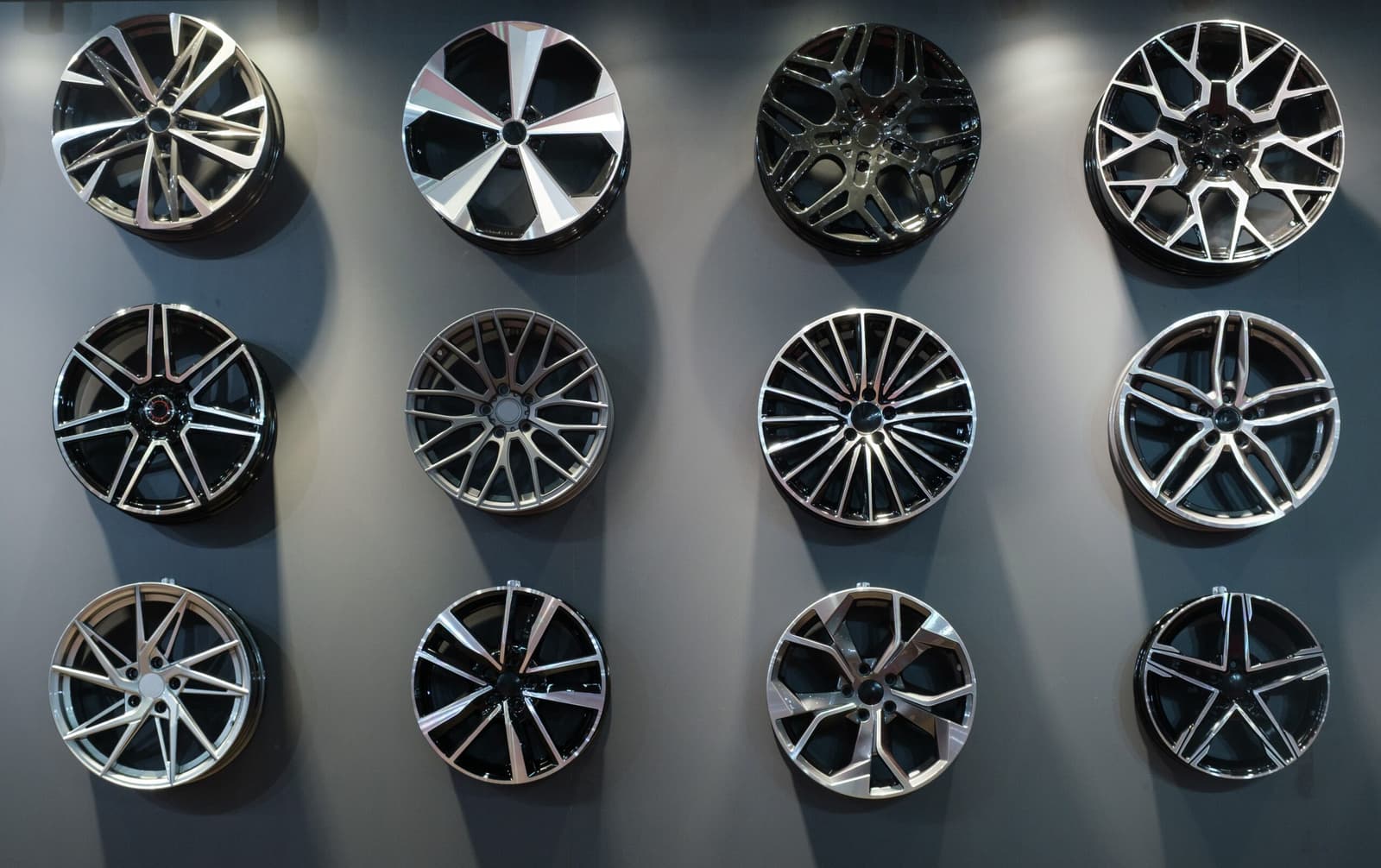
Do aftermarket alloy wheels increase your premium?
Yes, aftermarket alloys are treated as a vehicle modification by insurers. Fitting non-standard wheels changes the vehicle’s specification from the manufacturer’s original build, and that change must be declared at quote stage or renewal.
Why does the type of alloy matter?
Factory-fitted alloys are part of the car’s standard build and are already factored into the insurer’s risk calculation. Aftermarket alloys introduce additional cost because they are typically more expensive to replace and may increase the vehicle’s appeal to thieves.
A modest size increase from 16-inch to 17-inch wheels may have little impact on your premium. Upgrading to 19-inch or 20-inch performance alloys from a premium brand is a different proposition entirely, and the premium increase will reflect both the higher replacement cost and the increased theft appeal.
Diamond-cut finishes, split-spoke designs, and forged lightweight alloys all carry considerably higher replacement costs than standard cast wheels. The further your upgrade moves from the manufacturer’s original factory specification, the more your insurer will need to charge to cover the additional risk. Save up to £535.17* on your car insurance in minutes.
Compare Car Insurance
Why do insurers charge more for modified alloys?
Insurers charge more because non-standard alloys increase both the potential cost of claims and the likelihood of theft. Three factors drive the calculation.
What factors affect the cost?
| Factor | How it affects your premium | Typical impact |
|---|---|---|
| Replacement cost | A full set of aftermarket alloys can cost £1,500+ vs £600-£800 for standard wheels | Moderate to high increase |
| Theft risk | Alloys can be removed quickly and resold with no registration trail | Moderate increase |
| Modification signal | Insurers associate aftermarket alloys with performance-minded driving | Small increase |
| Wheel size | Larger wheels require more expensive tyres and are costlier to replace | Proportional to size jump |
| Brand and spec | Premium brands cost more to source as replacements | Varies by brand |
The premium increase reflects genuine additional risk, not a penalty. Our guide on car insurance costs explains how insurers calculate premiums across all risk factors.
How much extra will you pay?
The extra cost varies widely depending on the wheels and your insurer. A modest upgrade might add £20 to £50 a year, while large specialist alloys could increase your annual premium by £100 or more.
How can you find the best price?
There is no fixed industry rate for alloy wheel modifications. Some insurers treat small upgrades as cosmetic and apply minimal charges, while others apply graduated pricing based on wheel size, offset, and overall specification.
Getting quotes from at least three providers with the modification fully declared gives you a realistic picture of the market. You may find the difference between the cheapest and most expensive quote is larger than the modification charge itself.
The best approach is to compare quotes from multiple insurers with the modification declared. Our guide on lowering your car insurance premium covers practical ways to reduce costs across all modification types.
What happens if you do not declare alloy wheels?
If you fit aftermarket alloys and do not tell your insurer, you risk having a claim reduced or rejected. Under CIDRA 2012, insurers must apply a proportionate response based on the nature of the non-disclosure.
How does the law treat non-disclosure?
For deliberate or reckless non-disclosure, the insurer can void the policy entirely and refuse all claims outright. For careless non-disclosure, the insurer reduces the claim payout proportionately to reflect what they would have charged had they known about the modification at the point of sale.
In practice, most undeclared alloy wheel cases fall into the careless category. The insurer adjusts the payout rather than voiding the policy, but the reduction can be substantial if the modification would have attracted a much higher premium.
Declaring upfront avoids the dispute entirely and costs far less than losing part of a claim payout. Even if the premium increase is £50 a year, that is a fraction of what you could lose on a rejected or reduced claim worth thousands.
Is specialist alloy wheel insurance worth it?
Dedicated alloy wheel insurance covers accidental damage, theft, and cosmetic repairs to your wheels specifically. Standard comprehensive cover includes alloy damage as part of a broader claim, but you pay your full policy excess each time.
When does standalone cover make financial sense?
Your excess on a standard policy is typically £250 to £500. If repairing a single kerbed alloy costs £200, claiming through your main policy leaves you worse off after paying the excess.
Specialist alloy insurance reduces or removes the excess for wheel-specific claims and may cover kerb damage that standard policies treat as wear and tear. As a rough guide, it makes financial sense if your wheels cost over £1,000 as a set and the annual cover premium is under £150.
For standard alloys worth £400 to £600, the cover rarely pays for itself. The annual premium plus any remaining excess often exceeds what you would pay for a simple refurbishment at a local wheel repair specialist.
How can you keep costs down with aftermarket alloys?
Declaring your alloys honestly and shopping around are the two most effective ways to reduce the premium impact of upgraded wheels.
What steps reduce the premium impact?
Compare quotes with the modification declared, because premium increases vary considerably between insurers. Some specialist modification providers offer better rates than mainstream insurers for vehicles with aftermarket parts, and they are often more familiar with pricing non-standard builds accurately.
Fit locking wheel nuts to reduce theft risk, keep the upgrade proportionate to avoid attracting higher charges, and store your original wheels in case you want to refit them before selling. Third-party fire and theft cover includes theft protection if you want to keep costs lower than a fully comprehensive policy.
Frequently Asked Questions (FAQs)
No, factory-fitted alloy wheels are part of the car’s standard specification and do not need to be declared as a modification. Only aftermarket or upgraded alloys need to be disclosed.
No, replacing a damaged wheel with an identical standard part is a repair, not a modification. There is nothing to declare.
Not necessarily. Insurers typically focus on wheel size and how far the modification departs from the car’s original specification rather than the brand or retail price of the wheels.
Theft is covered under comprehensive insurance, subject to your policy excess. Third-party fire and theft policies also cover wheel theft, but third-party only cover does not include theft protection.
If winter wheels are a different size or specification to the car’s standard wheels, they should be declared. If they match the original specification, no declaration is needed, according to ABI guidance.