
How Long Can You Declare a Vehicle as SORN?


There is no time limit. Once you declare a Statutory Off Road Notification with the DVLA, it stays in effect indefinitely until you tax the vehicle, sell it, or scrap it.
Since December 2013, SORN has been a continuous declaration and no longer needs annual renewal.
You can declare SORN for free through the GOV.UK SORN service using your vehicle registration and V5C reference number. It takes effect immediately and suspends your obligation to pay vehicle tax.
Whether you’re storing a car during a restoration, keeping a classic off the road over winter, or simply not using a vehicle, SORN saves you money for as long as you need it.
Indefinitely. A SORN does not expire — it lasts until you tax the vehicle again or dispose of it.
Compare car insurance quotes before you bring the vehicle back onto the road.
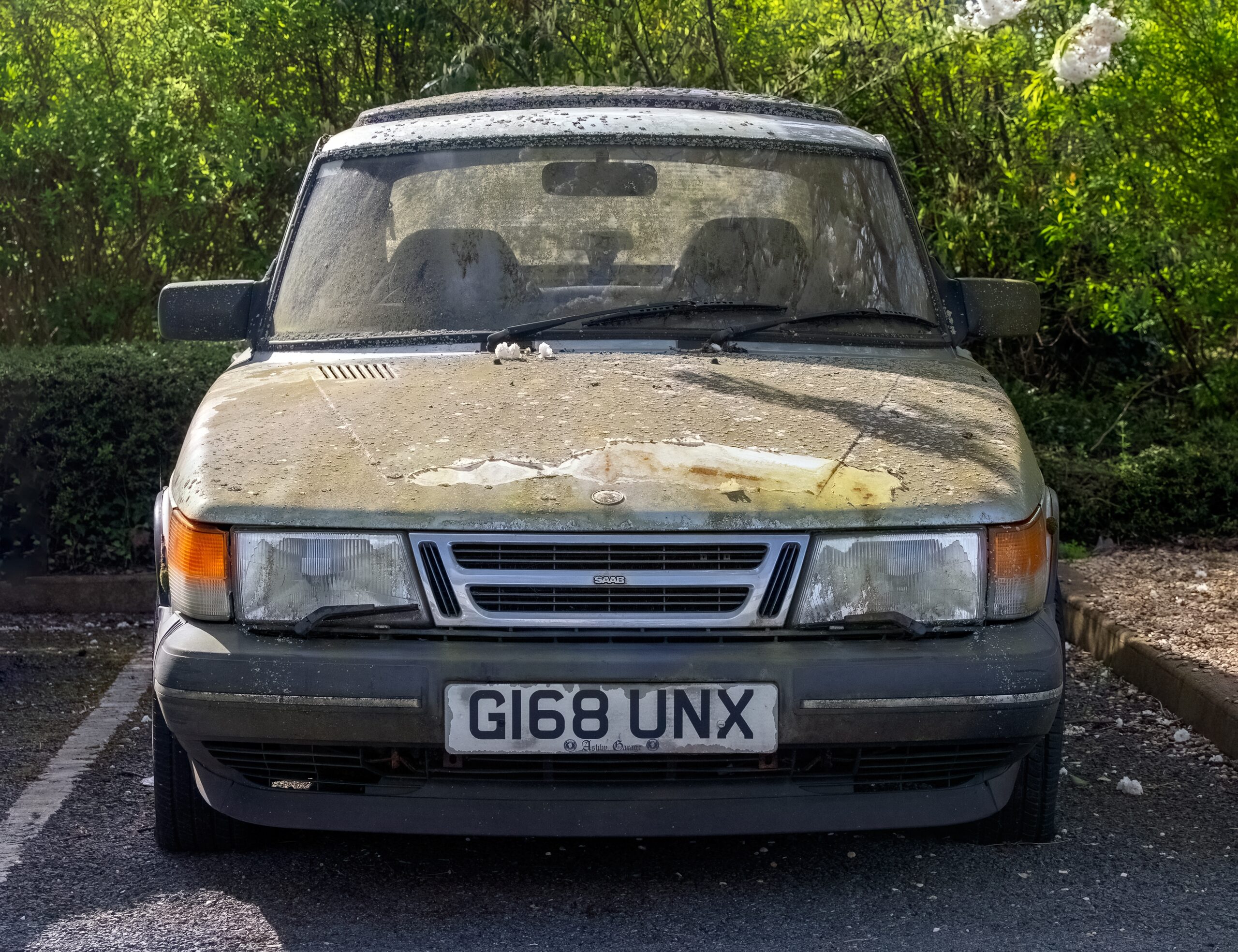
How does SORN work in practice?
You declare SORN once and it remains active until you choose to end it by taxing the vehicle, transferring ownership, or scrapping it. There is no paperwork to renew and no fee to maintain it.
What changed in December 2013?
Before December 2013, SORN had to be renewed every 12 months, and missing the renewal date meant an automatic fine. The current system removes that risk entirely.
Under the continuous SORN rules, your declaration persists year after year with no action required from you. The only way it ends is through a positive step like taxing the vehicle or notifying the DVLA of a sale.
Do you get a tax refund when you declare SORN?
Yes, the DVLA automatically refunds any remaining complete months of vehicle tax. The refund is sent to the registered keeper and typically arrives within six weeks.
What are the rules while your car is on SORN?
The fundamental rule is that a SORN vehicle must not be driven or kept on any public road. This restriction is absolute, with no exceptions for short trips or emergencies.
What can and can’t you do?
| Activity | Allowed? | Notes |
| Store on your driveway or garage | Yes | Must be private land you have permission to use |
| Drive on private land | Yes | No restrictions on private property |
| Drive on any public road | No | Includes moving it to a garage or shop |
| Park on a public road | No | Even briefly, this is a breach |
| Drive to an MOT station | No | Must be transported by trailer or recovery |
| Let someone else drive it | No | SORN applies to the vehicle, not the driver |
What are the penalties for breaking SORN rules?
Using a SORN vehicle on a public road can result in a fixed penalty of up to £1,000. ANPR cameras automatically detect untaxed and SORN vehicles, so enforcement is largely automated.
Your vehicle can also be clamped, seized, or crushed if it’s found on a public road without tax. The release fee starts at £100 plus £21 per day in storage charges.
Do you need insurance on a SORN vehicle?
If the vehicle is stored entirely on private property, you are not legally required to insure it. The Continuous Insurance Enforcement rules include a specific exemption for vehicles with a valid SORN declaration.
Should you keep insurance anyway?
Many owners choose to maintain fire and theft cover on stored vehicles. A car sitting in a garage or on a driveway is still at risk of theft, fire, or flood damage, and without insurance you bear the full cost of any loss.
If you’re storing a valuable or classic car on SORN, specialist laid-up policies offer fire and theft cover at a fraction of the cost of a full annual policy.
Does SORN affect your no claims bonus?
Your NCB is protected as long as you don’t make a claim. Having a gap in cover due to SORN doesn’t reset your no claims bonus, but some insurers ask about gaps in insurance history when you take out a new policy.
How do you declare SORN?
The fastest route is online through the GOV.UK service, where you enter your registration number and V5C reference. It takes a few minutes and confirmation is instant.
Can you declare SORN by post?
Yes, using form V890 sent to the DVLA, but postal declarations take longer to process and you won’t receive immediate confirmation. The online route is faster and gives you a reference number straight away.
When should you declare SORN?
Declare before your vehicle tax expires. If your tax lapses without either a renewal or a SORN in place, the DVLA can issue an automatic late licensing penalty of £80, halved to £40 if it is paid within 33 days.
How do you bring a SORN vehicle back onto the road?
You need three things in place before driving: valid insurance, a current MOT (if the vehicle is over three years old), and vehicle tax. All three must be arranged before the wheels touch a public road.
What order should you arrange things?
Insurance first, because you need a valid policy before you can tax the vehicle. If your MOT has expired, the car must be transported to a testing station by trailer or recovery since you cannot legally drive it there.
There is a limited exception allowing you to drive directly to a pre-booked MOT appointment, but it does not apply to SORN vehicles.
When does tax start?
Vehicle tax starts from the first day of the month you apply, and the SORN ends automatically once tax is in place.
If you’re unsure about the relationship between MOT and tax, our guide on taxing a car without an MOT covers the rules.
What happens to SORN when you sell or scrap the vehicle?
SORN ends automatically when ownership changes. If you sell the vehicle, the new owner must either tax it or declare their own SORN before driving it away.
What should you tell the buyer?
Make the buyer aware that the vehicle is on SORN and cannot legally be driven home without tax and insurance in place first. Many private sales of SORN vehicles involve the buyer arranging transportation rather than driving the car away.
How do you notify the DVLA of a sale or scrapping?
Complete the yellow section of the V5C and send it to the DVLA, or notify them online. If you’re scrapping the vehicle through an authorised treatment facility, they handle the DVLA notification for you.
Frequently Asked Questions (FAQs)
No, since December 2013 SORN has been a continuous declaration. You declare it once and it remains in effect until you tax the vehicle, sell it, or scrap it.
No, a SORN vehicle cannot be driven on any public road for any reason. If it needs an MOT, you must transport it by trailer, flatbed, or recovery truck.
No, declaring SORN is completely free whether you do it online or by post.
Yes, you can declare SORN again at any time. The DVLA will refund any remaining complete months of vehicle tax.
The DVLA can issue an automatic late licensing penalty of £80, halved to £40 if paid within 33 days. You are legally required to either tax the vehicle or declare SORN with no gap between the two.
Not directly, but a gap in cover may prompt questions from insurers when you take out a new policy. Our tips to lower your premium include advice on maintaining your no claims bonus through periods without a vehicle.