
How To Start A Vehicle Recovery Business In The UK


Starting a vehicle recovery business involves choosing a recovery vehicle, obtaining the right licences, securing specialist insurance, and building a customer base in your local area.
The UK vehicle recovery market is worth an estimated £2 billion per year, driven by roadside assistance contracts, police recovery work, and private breakdown callouts.
Below we cover what equipment you need, the licences and legal requirements, what insurance to put in place, typical startup costs, and how to win your first customers.
Most operators spend £15,000 to £50,000 to get started. A used flatbed recovery truck, motor trade insurance, and a clean driving licence are the essentials. Sub-contracting for breakdown clubs provides steady income while you build your own customer base.
Compare recovery truck insurance quotes to find cover for your business.
- What equipment do you need to start a recovery business?
- Do you need a licence to operate a recovery business?
- What insurance does a vehicle recovery business need?
- How much does it cost to start a vehicle recovery business?
- How do you find customers for a recovery business?
- How can you maximise profitability in vehicle recovery?
- Frequently asked questions (FAQs)
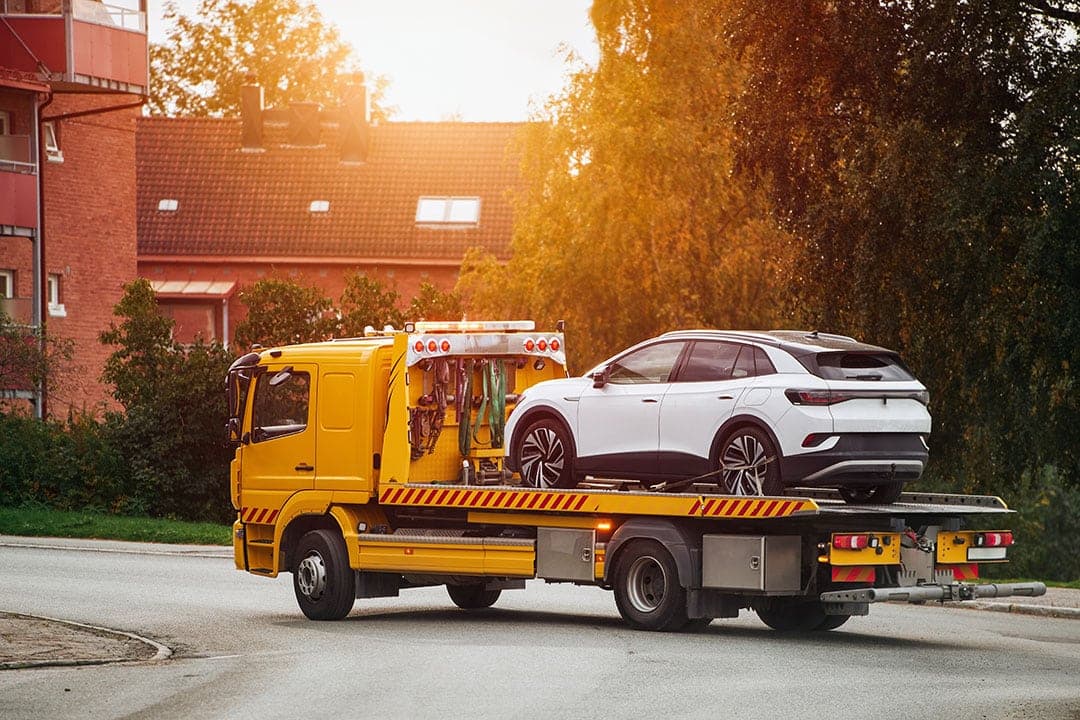
What equipment do you need to start a recovery business?
Your recovery vehicle is the single biggest startup purchase. The type you choose depends on the vehicles you plan to recover and the contracts you want to win.
What type of recovery vehicle should you buy?
A flatbed (tilt-and-slide) truck is the most versatile option. It can carry cars, vans, and non-runners without any risk of further damage during transport.
A wheel-lift (spec-lift) truck is cheaper to buy and run but is limited to vehicles with accessible wheels. Most new operators start with a flatbed because it covers a wider range of jobs.
What other equipment do you need?
Beyond the recovery vehicle itself, you will need a winch, recovery straps, wheel skates, warning beacons, a tool kit, and high-visibility clothing.
Budget for a sat-nav with live traffic, a dashcam, and a basic job management app or diary system. These are low-cost items that pay for themselves quickly.
| Item | Typical Cost | Notes |
| Flatbed recovery truck (used) | £15,000–£40,000 | Most versatile; carries non-runners safely |
| Wheel-lift truck (used) | £8,000–£20,000 | Cheaper but limited to wheeled vehicles |
| Winch (vehicle-mounted) | £500–£2,000 | Essential for pulling vehicles from ditches or verges |
| Recovery straps and wheel skates | £200–£500 | Basic kit for securing and moving vehicles |
| Warning beacons and signage | £150–£400 | Legal requirement for roadside work |
| Dashcam and sat-nav | £100–£300 | Protects against liability disputes |
Do you need a licence to operate a recovery business?
Recovery vehicles are exempt from goods vehicle operator licensing requirements. However, you still need the correct driving licence category for the weight of your truck.
Are recovery vehicles exempt from operator licensing?
Yes, the goods vehicle operator licensing regulations specifically exempt recovery vehicles from the standard operator’s licence requirement. This means you do not need to apply to the Traffic Commissioner.
You must still comply with all other road safety and vehicle roadworthiness requirements. Your recovery truck needs a valid MOT, road tax, and appropriate insurance.
What driving licence do you need?
A standard Category B licence covers vehicles up to 3,500 kg. For anything heavier, you will need a Category C1 (up to 7,500 kg) or Category C licence.
Most flatbed recovery trucks fall into the 3,500–7,500 kg range, so a C1 licence is the minimum for the majority of operators.
What insurance does a vehicle recovery business need?
You need motor trade insurance with road risk cover as the legal minimum, plus public liability and employers’ liability if you hire staff.
What does motor trade insurance cover?
Motor trade insurance covers you to drive customer and recovered vehicles on public roads. You can choose third-party only, third-party fire and theft, or fully comprehensive.
Road risk cover is the core of the policy and is a legal requirement under the Road Traffic Act 1988.
What other insurance do you need?
| Insurance Type | What It Covers | Required? |
| Motor trade (road risk) | Driving recovered vehicles on public roads | Yes (legal minimum) |
| Public liability | Injury to third parties or damage to their property | Strongly recommended |
| Employers’ liability | Injury or illness to employees | Yes, if you employ anyone |
| Goods in transit | Damage to vehicles while being transported | Recommended |
| Premises cover | Your yard, office, tools, and stored vehicles | Recommended if you have a base |
A specialist recovery truck insurance policy bundles these covers into one package tailored to recovery operators.
Public liability insurance protects you if a third party is injured or their property is damaged during a recovery.
If you employ staff, employers’ liability insurance is a legal requirement with a minimum of £5 million cover.
How much does it cost to start a vehicle recovery business?
Most operators spend between £15,000 and £50,000 to get started, depending on whether they buy a new or used recovery vehicle.
What are the main startup costs?
The recovery truck is the biggest expense, typically £15,000–£40,000 for a used flatbed. On top of that, budget for motor trade insurance, licensing, equipment, and working capital.
| Cost Category | Typical Range | Notes |
| Recovery vehicle | £15,000–£40,000 | Used flatbed; new trucks can exceed £60,000 |
| Motor trade insurance | £1,500–£4,000/year | Varies by cover level, location, and claims history |
| Driving licence upgrade (C1) | £200–£500 | If your truck exceeds 3,500 kg; includes test fees |
| Equipment and tools | £500–£2,000 | Winch, straps, beacons, dashcam |
| Company registration | £100 | Companies House digital incorporation fee (from Feb 2026) |
| Marketing and website | £500–£2,000 | Basic website, Google Business Profile, signage |
| Working capital (3 months) | £2,000–£5,000 | Fuel, phone, minor repairs, cash flow buffer |
Should you register as a limited company or sole trader?
A limited company gives you personal liability protection and can look more professional to contract partners. A sole trader setup is simpler but means you are personally liable for business debts.
Most recovery operators start as sole traders and incorporate later once the business is established. Speak to an accountant before deciding.
How do you find customers for a recovery business?
Your first customers will come from a mix of local marketing, breakdown club sub-contracts, police contracts, and online visibility.
How do you win local work?
Register a Google Business Profile so you appear in local search results when someone types “vehicle recovery near me.” Add your service area, opening hours, and photos of your truck.
Build relationships with local garages, MOT centres, and car dealerships. Many refer recovery work to operators they know and trust.
Can you sub-contract for breakdown clubs?
Yes, Green Flag and the RAC regularly sub-contract local callouts to independent operators. Rates vary, but sub-contracting provides a steady base of work while you build your own customer list.
Apply through each provider’s agent recruitment page. You will typically need full motor trade insurance, a clean driving record, and a compliant vehicle.
How can you maximise profitability in vehicle recovery?
The most profitable recovery businesses combine breakdown sub-contracts with higher-margin private work and specialist services.
What services can you add to increase revenue?
Accident recovery typically pays more than standard breakdowns. Offering vehicle storage, onward transport, and salvage services adds extra income from each job.
If you run multiple vehicles, fleet insurance may be cheaper than insuring each truck individually.
How do you keep costs down?
Compare insurance quotes regularly. Our motor trade insurance cost guide explains the main factors that affect your premium.
Keep your vehicles well maintained to reduce breakdowns and downtime. The HSE recommends regular workplace transport inspections to reduce accident risk.
Frequently Asked Questions (FAQs)
Most operators spend between £15,000 and £50,000. The recovery truck is the biggest expense, with used flatbeds starting around £15,000.
No, recovery vehicles are exempt from operator licensing requirements. You do still need the correct driving licence category for your truck’s weight.
You need motor trade insurance with road risk cover as a minimum. Public liability and employers’ liability (if you have staff) are also strongly recommended or required.
Yes, many operators start from home. You will need adequate parking and storage for your recovery vehicle and any recovered vehicles awaiting collection.
Apply through the provider’s agent recruitment pages (Green Flag and RAC both use independent operators). You will need full motor trade insurance, a compliant vehicle, and a clean driving record.
Yes, if you employ anyone at all, including casual or part-time workers. The legal minimum is £5 million cover.
A Category B licence covers vehicles up to 3,500 kg. For heavier trucks, you will need a C1 (up to 7,500 kg) or full Category C licence.
Yes, if managed well. Operators who combine breakdown sub-contracts with private accident recovery and storage services can build strong recurring revenue.