
What Does Tradesman Insurance Cover In The UK?


Tradesman insurance covers public liability (damage or injury to third parties), employers’ liability (injuries to your staff), and optional extras like tools cover. The exact protection depends on your policy, your trade, and the level of cover you choose.
Most tradespeople buy a policy without reading the detail. They assume everything is covered, then discover a gap when something goes wrong.
This guide explains what each part of a tradesman policy covers, where the common exclusions sit, and how to spot gaps before they cost you. If you want to see how much it costs, read our breakdown of tradesman insurance pricing.
Tradesman insurance protects other people, not you. If you are a sole trader injured on site, your policy pays nothing towards your lost income. You need separate personal accident or income protection cover to fill that gap.
Compare tradesman insurance quotes through SimplyQuote to see exactly what each policy includes and excludes.
- What does public liability insurance cover?
- What is excluded from public liability?
- What does employers’ liability insurance cover?
- What does tools cover include?
- How much cover do you need?
- What is not covered by tradesman insurance?
- How does the claims process work?
- Frequently asked questions (FAQs)
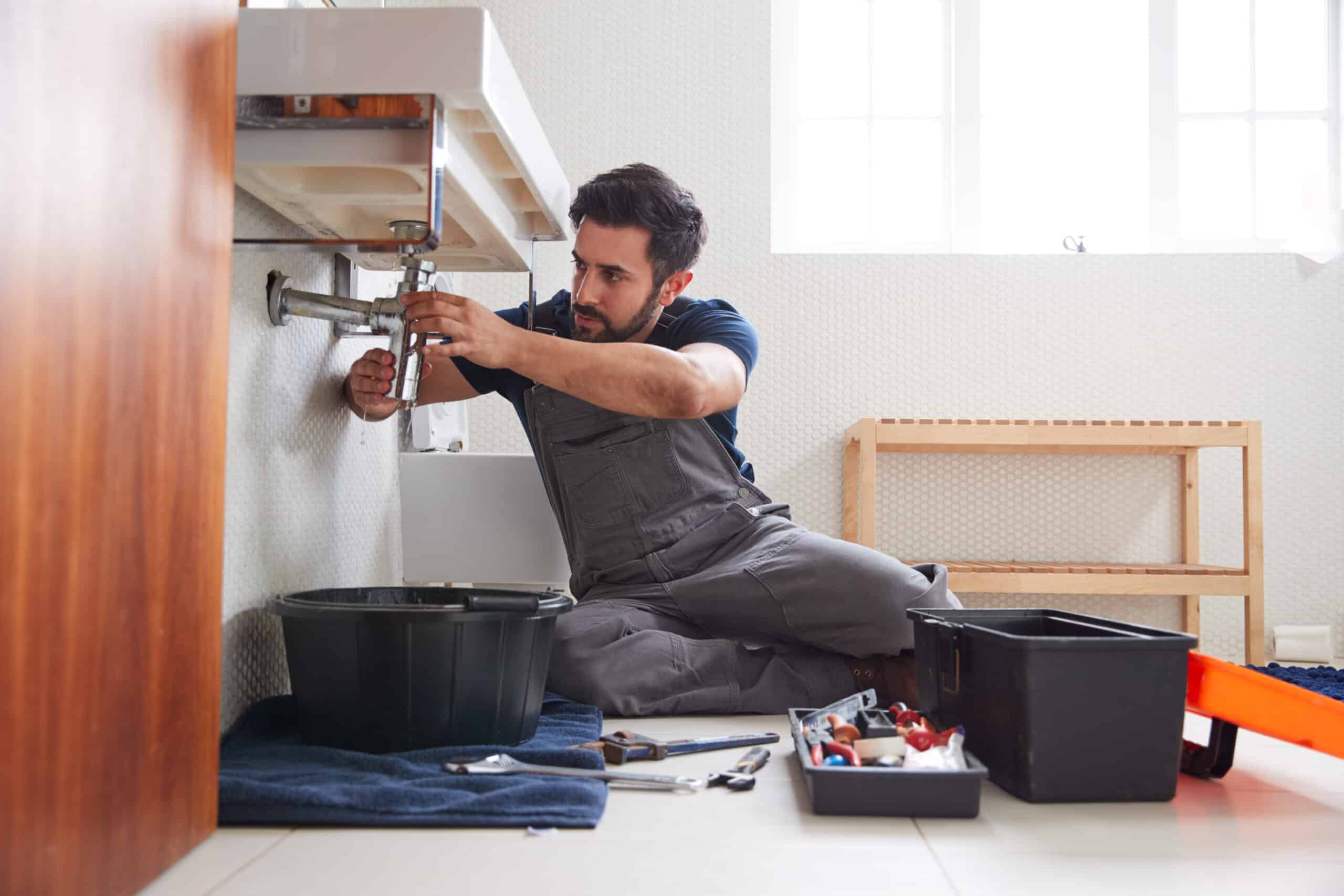
What does public liability insurance cover?
Public liability pays out if you accidentally injure someone or damage their property while working. It covers medical bills, repair costs, legal fees, and compensation awards.
Third-party injury
If a customer, visitor, or passer-by is hurt because of your work, public liability covers the claim. That includes emergency treatment, hospital stays, and compensation for lasting injury.
Property damage
Accidental damage to a customer’s home is one of the most common claims. Plumbers dealing with burst pipes, electricians drilling through cables, and carpenters scratching floors all fall under this cover.
Legal costs
If a customer sues, your insurer appoints solicitors and covers barrister fees, expert witnesses, and court costs. Most domestic tradespeople carry £2 million or £5 million of cover, though higher-risk trades may need £10 million.
What is excluded from public liability?
Public liability does not cover intentional damage, advice errors, vehicle incidents on public roads, or work done outside your qualifications.
Key exclusions
The policy covers genuine accidents during competent work. If damage happens because you were not qualified or ignored safety procedures, the insurer can reject the claim.
Mistakes in design or technical advice need separate professional indemnity insurance. Public liability only covers physical damage and injury, not financial loss from bad advice.
What does employers’ liability insurance cover?
Employers’ liability covers claims from staff who are injured or become ill because of your business. It is a legal requirement if you employ anyone.
Who counts as an employee?
The Employers’ Liability (Compulsory Insurance) Act 1969 requires a minimum of £5 million cover if you have full-time staff, part-time workers, apprentices, or labour-only subcontractors working under your direction.
What it pays for
It covers medical treatment, lost wages, rehabilitation costs, and compensation awards. It also covers your legal defence if an employee takes you to court.
Penalties for non-compliance
Operating without employers’ liability when you have staff is a criminal offence. The HSE can fine you up to £2,500 per day without cover, plus £1,000 for not displaying your certificate.
What does tools cover include?
Tools cover protects your equipment against theft, accidental damage, and vandalism. It is optional and not part of every policy.
What is covered
Theft from your van (with forced entry), accidental breakage on site, and vandalism to stored equipment. Transit damage between jobs is usually included too.
What’s not covered
Wear and tear, tools left in unsecured locations, and theft without evidence of forced entry. Most policies cap individual items, so declare high-value kit separately.
Many insurers also require aftermarket deadlocks or a tool vault in your van. Without these, overnight theft claims can be rejected.
How much cover do you need?
The right level depends on your trade, the size of your jobs, and whether you employ anyone. This table shows the main cover types and typical limits.
| Cover Type | Typical Limit | Required By Law? |
| Public liability | £1m – £10m | No (but most clients require it) |
| Employers’ liability | £5m minimum | Yes (if you have employees) |
| Tools cover | £1,000 – £15,000 | No |
| Professional indemnity | £50,000 – £1m | No (unless you give design/advice) |
Most sole traders start with public liability only. If you take on staff, employers’ liability becomes a legal requirement.
Read our guide on public liability insurance for a deeper breakdown of limits and when you need them.
Always check your insurer is authorised by the Financial Conduct Authority before buying a policy. This protects you if the insurer fails to pay a valid claim.
What is not covered by tradesman insurance?
Tradesman insurance does not cover your own injuries, workmanship disputes, contract disagreements, or gradual deterioration.
Your own injuries
Public liability and employers’ liability protect other people, not you. If you are a sole trader who gets hurt on site, you need personal accident or income protection cover.
This is the gap that catches most tradespeople off guard. A broken wrist could mean six weeks without income, and your tradesman policy won’t pay a penny towards it.
Workmanship and defects
A customer claiming your tiling is uneven or your plastering cracked is a workmanship dispute. Public liability does not cover poor-quality work.
Gradual damage
Slow leaks, paint fading, and settlement cracks are not insurable events. Insurance covers sudden, accidental incidents only.
How does the claims process work?
Report the incident to your insurer immediately, provide evidence, and let their claims team handle it. Do not admit fault or offer compensation directly.
Steps to follow
Contact your insurer with full details of what happened. Gather photographs, repair quotes, medical records, and witness statements.
Your insurer investigates, negotiates, and settles. You pay the excess, and the policy covers the rest up to your limit.
How long does it take?
Simple property damage claims often settle within a few weeks. Injury claims involving legal proceedings can take several months.
Late notification is one of the most common reasons claims get rejected. Report incidents the same day, even if you think the damage is minor.
Frequently Asked Questions (FAQs)
Yes, if you cause a leak or burst pipe through your work, public liability covers the damage to the customer’s property. Damage from pre-existing issues is not covered.
Only if your policy includes tools cover. Public liability covers damage you cause to other people’s property, not your own equipment.
Public liability covers physical damage and injury. Professional indemnity covers financial loss caused by mistakes in your advice or design work.
Most UK policies do not cover work outside the UK. If you work abroad regularly, you need a policy with international cover.
No, dishonesty, theft, and fraud by employees are excluded from standard tradesman policies. You would need fidelity insurance to cover that risk.
It depends on the arrangement. If subcontractors work under your direct supervision, HMRC and insurers may treat them as employees, so check your policy wording.
Some insurers offer tools-only or employers’ liability-only policies, but most tradespeople need public liability as a minimum because clients and contracts require it.