
What Is Landlord Home Emergency Cover?


Landlord home emergency cover is an insurance add-on that gives you 24/7 access to qualified tradespeople for urgent repairs to heating, plumbing, drainage, and electrical systems in your rental property.
Standard landlord buildings insurance covers damage from events like fire, flood, and subsidence. It doesn’t cover a broken boiler on a January night or a burst pipe flooding the kitchen.
Emergency cover fills that gap. It typically costs £25 to £75 per year when added to your landlord insurance policy, and a single boiler repair can cost more than several years of premiums.
Landlord home emergency cover handles boiler breakdowns, burst pipes, and electrical failures that standard buildings insurance doesn’t touch. At £25 to £75 a year, a single boiler repair covers several years of premiums. Keep your gas safety certificate current, because annual servicing is almost always a condition of cover.
Add emergency cover when you compare landlord insurance quotes to see what the add-on costs for your property.
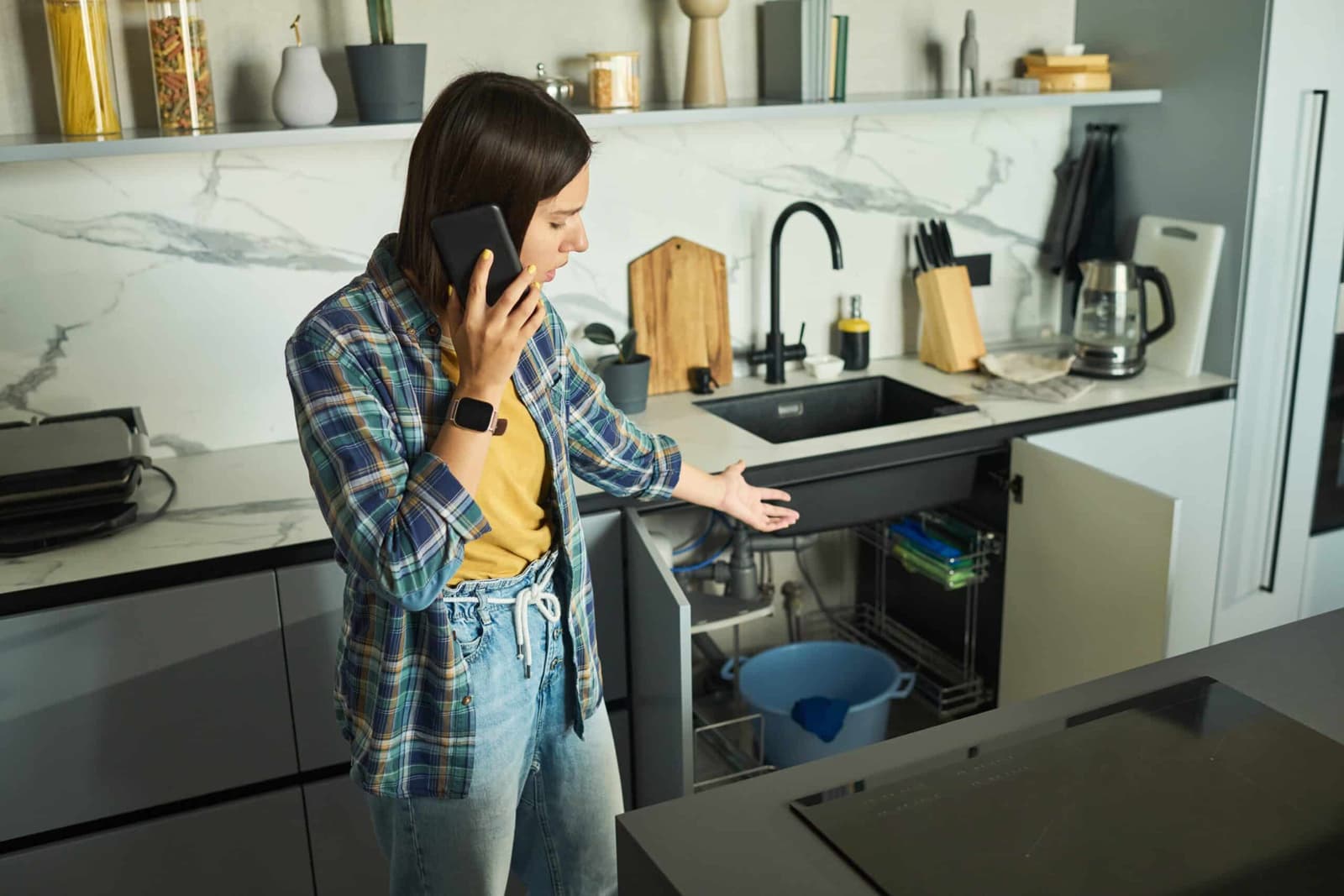
What does landlord emergency cover include?
Most policies include 24/7 telephone support, access to a vetted contractor network, and cover for call-out fees, labour, and parts for emergency repairs.
Covered systems
| System | What’s typically covered | Common claim examples |
| Heating and boiler | Breakdown of the primary heating system | Boiler ignition failure, thermostat malfunction, radiator leaks |
| Plumbing | Burst or leaking pipes causing water damage risk | Burst pipe under sink, leaking toilet cistern, frozen pipes |
| Drainage | Blocked or broken external drains | Blocked main drain, collapsed external pipework |
| Electrical | Complete loss of power or dangerous faults | Tripped fuse board with no reset, exposed wiring |
| Locks and security | Broken or lost keys leaving property unsecured | Snapped key in lock, forced entry after lockout |
What the insurer pays for
The insurer covers the call-out fee, labour costs, and replacement parts up to a set limit per incident. Most policies cap individual claims at £1,000 to £5,000.
What is not covered?
Emergency cover handles urgent system failures, not routine maintenance or gradual wear.
Standard exclusions
Pre-existing faults, cosmetic damage, and problems caused by poor maintenance are excluded from most policies. Appliance breakdowns (washing machines, ovens) are also typically excluded unless you add separate appliance cover.
Damage from events like fire and flood falls under your buildings insurance rather than emergency cover. If a burst pipe causes structural water damage, the pipe repair may come from your emergency policy while the building damage goes through your buildings claim.
Conditions you must meet
Annual boiler servicing is almost always a condition of cover. The HSE’s gas safety guidance for landlords requires a Gas Safe registered engineer to inspect gas appliances every 12 months.
Without a valid gas safety certificate, your insurer can reject boiler claims.
Electrical systems must also meet current safety standards. The government’s EICR regulations require landlords to have electrical installations inspected every five years.
How much does emergency cover cost?
Emergency cover typically costs £25 to £75 per year as an add-on to an existing landlord policy. Standalone policies may cost more.
What affects the price
Properties with older heating systems and original plumbing cost more because they’re more likely to fail. The overall cost of your landlord insurance also depends on property type, location, and the cover limits you choose.
Most policies carry an excess of £50 to £100 per call-out. Check both the excess and the maximum claim limit when comparing quotes, as a low premium with a high excess may offer poor value.
Portfolio discounts
Some insurers offer reduced rates for landlords with multiple properties. A single insurer handling all call-outs across your portfolio simplifies the process and often costs less than separate policies.
Related: How Much Does Landlord Insurance Cost?
Is emergency cover worth it?
For most landlords, yes. A single boiler repair costs £200 to £500, while a full replacement runs £2,500 to £3,500 fitted.
When it pays for itself
At £50 per year, one mid-range boiler repair covers several years of premiums. Remote landlords benefit most because emergency cover removes the stress of finding tradespeople at short notice.
Older properties with ageing systems are more likely to experience breakdowns. If your rental property has original plumbing or a boiler over ten years old, emergency cover provides a safety net against unpredictable repair costs.
A heating failure in winter can also trigger a loss of rent claim if tenants have to move out while repairs are completed. Emergency cover reduces that risk by getting a contractor on site quickly.
When you might skip it
If you have substantial cash reserves, good relationships with local tradespeople, and the time to manage repairs yourself, self-insuring may work. Some experienced landlords prefer to budget separately and keep their premiums lower by removing optional add-ons.
How does emergency cover work with other policies?
Emergency cover handles urgent system failures. Your other landlord policies cover everything else.
Emergency cover vs buildings insurance
Buildings insurance covers damage from fire, flood, and subsidence. Emergency cover handles breakdowns that aren’t caused by those events.
The two work together, and most insurers offer both as part of a combined landlord insurance package.
Emergency cover vs accidental damage
If a tenant accidentally breaks a window, that’s an accidental damage claim. If the boiler stops working on its own, that’s an emergency cover claim.
Bundling your cover
Adding emergency cover to your existing policy avoids gaps between separate policies and usually costs less than standalone cover. A combined package with buildings, contents, and liability gives you a single point of contact for all claims.
You can also add rent guarantee insurance to protect your income if a tenant stops paying, giving you both property protection and income protection in one policy.
Does cover apply to all property types?
Emergency cover is available for most rental properties, but the terms and price vary by property type and letting arrangement.
Standard buy-to-let properties
Single-let houses and flats with one household attract the lowest premiums and the broadest cover terms.
HMOs and multi-occupancy
Properties with multiple tenants have more people using shared heating and plumbing systems, which increases breakdown risk. Your insurer may charge a higher premium or apply stricter maintenance conditions.
Check your tenancy obligations to make sure you’re meeting all safety requirements for shared housing.
Holiday lets
Frequent guest turnover puts more strain on boilers and plumbing. Some home insurance policies for holiday lets include emergency cover as standard, while standard landlord policies may charge extra or exclude short-term letting.
Frequently asked questions (FAQs)
Yes, most policies allow tenants to call the insurer’s 24/7 line to report urgent problems. The insurer dispatches a contractor and notifies you of the call-out.
Possibly, as most policies require an annual gas safety check and boiler service as a condition of cover. Without a valid service record, the insurer can reject the claim.
Typically yes, each property needs its own cover. Some insurers offer multi-property packages at reduced rates if you own several properties.
Yes, most policies allow two to four claims per year and cap individual payouts at £1,000 to £5,000 per incident.
Some policies cover replacement if the boiler is beyond economic repair, while others only cover repairs and parts. A new boiler costs £2,500 to £3,500 fitted, so check the maximum payout before you compare quotes.
They work the same way, but landlord emergency cover is designed for rental properties and may include features like direct tenant reporting. Standard home emergency cover is for owner-occupied properties.