4×4 Insurance
Compare 4×4 Car Insurance Quotes
You could save up to £518* on your car insurance in minutes.

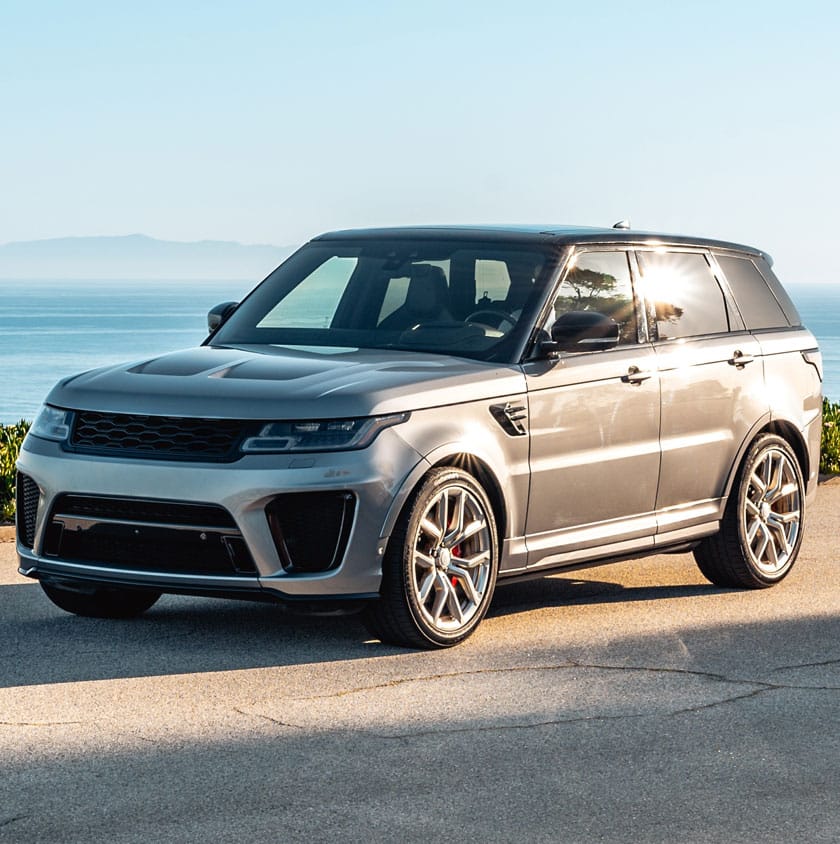





Compare insurance quotes from the UK’s leading 4×4 vehicle insurers including:











Why Compare 4×4 Insurance At SimplyQuote.co.uk?
4×4 insurance isn’t just about price—it’s about making sure your vehicle’s unique risks are properly covered.
At SimplyQuote.co.uk, we’ve partnered with Quotezone to give you fast access to over 120 trusted UK insurers who understand what makes 4x4s different.
Whether you drive a rugged Land Rover Defender, a high-spec pickup, or a modified SUV, not all insurers will treat your vehicle the same. Some providers may inflate premiums based on assumptions around off-road use or performance. Others might exclude modifications or limit business use. That’s why comparing matters.
SimplyQuote helps you cut through that noise. With a single form, you can view tailored quotes side-by-side—factoring in things like vehicle type, usage, parking location, and optional extras like breakdown or green-laning cover.
If your 4×4 has custom wheels, a winch, or upgraded suspension, many policies won’t automatically include protection for those changes unless declared. The comparison engine makes it easy to filter for the features you actually need, without paying for those you don’t.
The result? A faster, more accurate way to find cover that works—without ringing round multiple insurers or getting stuck with generic quotes that don’t fit your vehicle or driving style.

Why Do I Need To Get A Quote?
To get a 4×4 insurance quote, you’ll need to provide details about yourself, your vehicle, and how you use it.
This helps insurers calculate your risk and tailor the cover to suit your specific needs.
While the process is similar to insuring any other car, 4x4s often come with added considerations—like modifications, off-road capability, or higher-than-average values. That’s why it’s important to be accurate.
Here’s what you’ll typically be asked:
- Your age, address, and driving history
- Make, model, year and registration of the 4×4
- Whether the vehicle is standard or modified
- Where the vehicle is kept overnight (driveway, garage, street)
- How the car is used—personal, commuting, or business
- If the 4×4 is driven off-road (even occasionally)
- Your estimated annual mileage
- Details of any previous claims or convictions
- Your no-claims bonus, if any
Most insurers will also want to know about factory or aftermarket modifications—even cosmetic ones. Failing to disclose them could invalidate your cover.
If you’re using your 4×4 for towing, green laning, or as part of a business, you may need specialist cover or added extras. Make sure to check boxes that reflect how you actually use the vehicle—it’ll give you more accurate quotes and avoid issues down the line.

Why Do I Need 4×4 Cover?
4×4 insurance is a legal requirement in the UK—but it also ensures your vehicle is properly protected in ways that standard cover may not account for.
Given their size, value, and potential off-road use, 4x4s often fall outside the assumptions of everyday car insurance.
Even if you only drive on tarmac, insurers still classify 4x4s as higher risk in some cases—due to their repair costs, off-road capabilities, or the tendency for modifications. And if you do take yours off the beaten track or use it for work, that’s another layer of risk entirely.
Here’s where 4×4 cover becomes essential:
- Specialist use: If your 4×4 is used for farming, towing, or green laning, you’ll need cover that recognises those uses.
- Increased repair costs: Larger vehicles and imported or upgraded parts can raise the cost of claims.
- Modifications: Even basic upgrades can be excluded from standard policies unless declared.
- Off-road incidents: Most regular policies don’t include cover for non-public road use unless you’ve told your insurer upfront.
The bottom line? If you drive a 4×4, you’re better off with a policy that accounts for its full profile. Relying on a generic quote could leave you underinsured—or uninsured entirely—if something goes wrong.

Looking for 4×4 insurance? Get your quote today!
Get QuotesWhat Does 4×4 Insurance Cover Include?
4×4 insurance includes the same core types of cover as standard car insurance—Third Party Only, Third Party Fire and Theft, and Comprehensive—but it may also offer protection tailored to 4x4s’ unique build, usage, and value.
At the base level, your options look like this:
- Third Party Only (TPO) – Covers damage to other vehicles or people, but not your 4×4.
- Third Party, Fire and Theft (TPFT) – Adds protection if your vehicle is stolen or damaged by fire.
- Comprehensive – Includes all of the above, plus damage to your own 4×4—even if the accident is your fault.
But here’s where 4×4-specific policies often go further. Many insurers will offer add-ons or included features such as:
- Cover for declared modifications – Useful if your 4×4 has enhanced suspension, snorkels, bull bars or performance upgrades.
- Off-road cover – Not always standard, but essential if you drive on non-public roads or green lanes.
- Breakdown and recovery tailored to rural areas – Some policies include winch recovery or remote breakdown support.
- Towing cover – If you use your 4×4 for pulling trailers or horseboxes, this is worth checking.
- Business or commercial use – If you use your vehicle on-site or for work-related travel, you may need to include this.
It’s also worth noting that some policies exclude non-standard tyres, winches, or roof racks unless you declare them upfront. If you’ve spent money upgrading your 4×4, make sure your cover reflects it.

What’s Not Included?
Even comprehensive 4×4 insurance has limits—and many drivers don’t realise what’s excluded until it’s too late.
Knowing where your cover stops is just as important as knowing what it protects.
Most insurers exclude certain risks unless they’ve been specifically disclosed or added as extras. For 4x4s, these exclusions can catch drivers off-guard—especially when it comes to how the vehicle is used or modified.
Common exclusions include:
- Off-road driving – If you haven’t told your insurer that your 4×4 is used off-road, you may not be covered for damage on non-public roads or trails.
- Undeclared modifications – Upgrades to wheels, suspension, winches, or snorkels must be declared, or claims may be rejected.
- Wear and tear – General deterioration of tyres, brakes, or suspension is not covered under most policies.
- Business use – If you’re using the vehicle for work (e.g. site visits or towing for commercial purposes), you’ll need to make that clear or risk invalidating your cover.
- Driving without valid documents – No insurance policy will protect you if you’re caught without a valid licence, MOT, or road tax.
- Flood or water damage – Some policies exclude damage from deep water crossings unless it’s specified as off-road cover.
If you take your 4×4 green laning, use it for towing, or carry tools and kit regularly, it’s essential to be upfront about this when getting quotes. What’s not included on a standard policy might be added at minimal cost—if you ask.
How Much Does 4×4 Insurance Cost?
4×4 insurance in the UK typically ranges between £500 and £1,200 per year—but the price can rise significantly depending on the vehicle, its usage, and any modifications.
These cars are often larger, more powerful, and more expensive to repair—three things insurers pay close attention to when setting premiums.
If you drive a brand-new, high-spec SUV or a heavily modified off-roader, expect to pay towards the higher end—or beyond. But if your 4×4 is modest, unmodified, and used mainly for personal trips, there’s every chance of getting a competitive quote.
Factors that influence the cost:
- Vehicle type and value – Luxury SUVs like the Range Rover Sport or Toyota Land Cruiser attract higher premiums than older, compact 4x4s like the Suzuki Jimny.
- Modifications – Lift kits, winches, off-road tyres or engine tuning can raise your premium—unless they’re declared and covered.
- Usage – Using your 4×4 for towing, commuting, or business adds risk. Off-road use may also push the price up.
- Driver profile – Age, claims history, points on your licence, and your no-claims discount all have a significant impact.
- Postcode and parking – Urban postcodes with high theft or collision rates raise costs. Private driveways and garages usually bring them down.
Prices vary wildly between insurers—especially when it comes to modified or imported 4x4s—so comparing quotes isn’t optional. It’s essential.

How Can I Save Money On 4×4 Insurance?
You can reduce the cost of 4×4 insurance by choosing the right vehicle, accurately declaring usage, and comparing quotes that account for how you really drive.
Small tweaks—like where you park or whether you declare modifications—can make a bigger difference than you might expect.
This isn’t just about cutting corners. It’s about smarter decisions.
Practical ways to lower your premium:
Pick a lower insurance group
Not all 4x4s are expensive to insure. A used Dacia Duster or Suzuki Vitara will cost far less to cover than a modified Jeep or high-performance SUV.
Declare modifications properly
Don’t hide them—insurers prefer accuracy. Some providers specialise in modded vehicles and may not charge extra if the parts are declared and non-performance-related.
Limit mileage and avoid business use
If your 4×4 is used for weekend trips or short commutes, make that clear when comparing quotes. Low annual mileage often leads to better rates.
Increase voluntary excess
If you can afford a higher excess in the event of a claim, it can reduce your annual premium—just don’t overextend.
Improve security
Parking on a driveway or adding devices like an immobiliser, tracker or dash cam can lower your risk profile.
Use a specialist insurer
Some providers cater specifically to 4x4s, off-road vehicles, or modified cars—offering better value with more appropriate cover.
Finally, always compare quotes annually. Prices fluctuate—especially if you’ve gained a no-claims bonus or changed how you use the vehicle. What worked last year might not be the best deal this time around.

How To Compare Quotes For 4×4 Insurance At SimplyQuote.co.uk?
Comparing 4×4 insurance quotes is quick and straightforward through SimplyQuote’s partnership with Quotezone, helping drivers explore options for everything from off-road vehicles to family SUVs.
Here’s how it works:
- Enter your personal details
Start with your age, address, driving history, and how long you’ve held your licence. - Tell us about your 4×4
Input the make, model, year of manufacture, and whether the vehicle has any modifications or off-road use. - Choose your cover level
Select Third Party, Third Party Fire and Theft, or Comprehensive. You can also add optional extras like breakdown cover, legal expenses, or protected no-claims. - Compare your options
We’ll show you a side-by-side view of policies from over 120 UK insurers. Filter by features, excess, price, or mod-friendly terms to suit your needs. - Select and continue
Found a policy that works for you? Click through to the provider’s site to complete your purchase directly.
The whole process typically takes under 5 minutes—and there’s no obligation to buy. Whether your 4×4 is used for weekend getaways, daily commutes, or working the land, SimplyQuote helps you compare policies that match your real-life use case.
*51% of consumers could save £518.14 on their Car Insurance. The saving was calculated by comparing the cheapest price found with the average of the next four cheapest prices quoted by insurance providers on Seopa Ltd’s insurance comparison website. This is based on representative cost savings from June 2025 data. The savings you could achieve are dependent on your individual circumstances and how you selected your current insurance supplier.

Frequently Asked Questions
If your 4×4 has been modified—especially for off-road use—you may need a specialist policy. Standard insurers often exclude non-factory parts unless they’re declared and approved.
Not usually. Off-road use isn’t automatically included. You’ll need to check the policy or speak with the insurer to confirm if green laning or private trail use is covered.
Yes. Imported 4x4s—especially grey imports—can cost more to insure due to parts availability, higher repair costs, and limited data for UK insurers.
Yes. Even non-performance mods like a winch, snorkel, or roof rack can affect your premium. Always declare these changes—even if they seem minor.
Typically, yes. 4x4s are larger, more powerful, and more expensive to repair than small hatchbacks—especially if used off-road or for towing.
Yes, but you’ll need to declare this during the quote process. Business use (like site visits or towing equipment) requires different cover than standard commuting.
If you damage your 4×4 off-road and haven’t declared it, your insurer could refuse to pay out. Always be upfront about how the vehicle is used.
Sometimes. Towing small trailers may be included, but for horseboxes, caravans or business trailers, you may need separate or extended cover.
Car Insurance Guides