
How Do You Become A Courier In The UK?


To become a courier in the UK you need a full driving licence, a suitable vehicle, hire and reward insurance, and to register as self-employed with HMRC.
Most people can start delivering within a few weeks once the paperwork and insurance are in place.
Courier work is one of the most accessible self-employed jobs in the UK. You do not need qualifications or specialist training, and demand for drivers has grown steadily with the rise of online shopping.
That said, there are legal requirements you must meet before you can carry goods for payment. Getting them wrong can mean fines, vehicle seizure, or uninsured claims landing on you personally.
You need a full licence, a vehicle, hire and reward insurance, and HMRC self-employment registration before you can legally deliver. Standard car or van insurance doesn’t cover paid delivery work, and that’s where most new couriers get caught out. Get the paperwork right and you can be earning within one to three weeks.
Start with hire and reward cover when you compare courier insurance quotes.
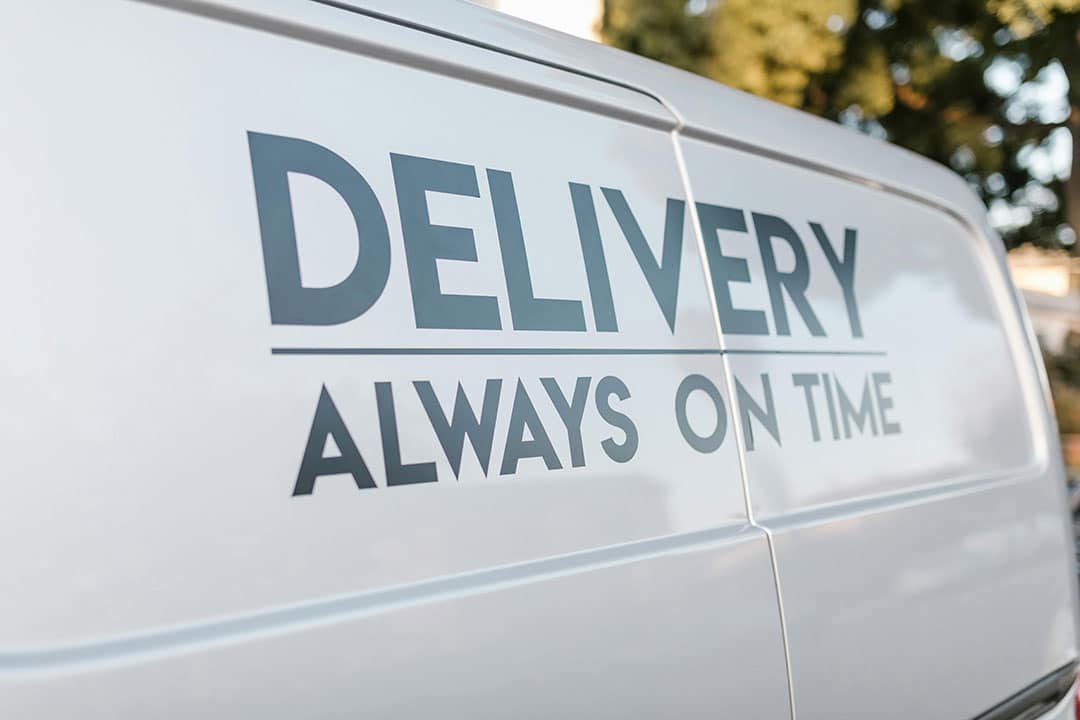
What do you need to become a courier?
You need four things before you can legally work as a courier: a driving licence, a vehicle, the right insurance, and HMRC registration.
| Requirement | Details | Where to Get It |
| Full UK driving licence | Category B for cars and vans up to 3.5 tonnes | DVLA |
| Vehicle | Car, van, motorbike, or bicycle depending on your niche | Private purchase or lease |
| Hire and reward insurance | Legal requirement for carrying goods for payment | Insurance broker or comparison site |
| Goods in transit cover | Protects the parcels and goods you carry | Usually bundled with courier insurance |
| Public liability insurance | Covers injury or damage to third parties | Often required by delivery platforms |
| HMRC self-employment registration | Register as soon as you start working | GOV.UK online |
Do you need a special licence?
A standard Category B licence covers cars and vans up to 3.5 tonnes, which includes most courier vehicles. You only need an additional licence if you plan to drive a vehicle over 3.5 tonnes.
What about right to work?
You must have the legal right to work in the UK. Some delivery platforms will ask you to prove this during the sign-up process.
What type of vehicle is best for courier work?
The best vehicle depends on what you plan to deliver. Small vans are the most versatile option, but cars, motorbikes, and even bicycles work for certain niches.
Small vans
A small van such as a Ford Transit Connect or Vauxhall Combo handles most parcel delivery work. Running costs are manageable, and van insurance premiums are typically lower than for larger vehicles.
Cars and motorbikes
Cars suit food delivery and small parcel work. Motorbikes and scooters are popular for fast food delivery in cities where parking is difficult.
Bicycles and e-bikes
Cycling couriers handle short-distance food and document deliveries in urban areas. Insurance costs are lower, but your earning potential is limited by range and load capacity.
Buying vs leasing
Buying a used van keeps your upfront costs low, and you can claim capital allowances against tax. Leasing spreads the cost but ties you into a fixed monthly payment.
Whichever route you choose, factor in insurance, fuel, maintenance, and road tax before you commit. A cheap vehicle with high running costs can eat into your profits.
What insurance does a courier need?
At a minimum, you need hire and reward insurance to legally carry goods for payment. In practice, most couriers need a fuller package that includes goods in transit and public liability cover.
Hire and reward
Under Section 143 of the Road Traffic Act 1988, your vehicle insurance must match how you use the vehicle. A standard social or commuting policy does not cover paid delivery work.
Without the right cover, you risk a fixed penalty of £300 and six points on your licence. Your vehicle can also be seized.
Goods in transit
This protects the parcels you carry against loss, theft, or damage, with limits typically ranging from £10,000 to £50,000 per consignment. Our guide to what courier insurance covers explains how goods in transit works alongside hire and reward.
Public liability
Platforms such as Amazon Flex typically expect couriers to hold public liability insurance. This covers you if a third party is injured or their property is damaged while you are working.
Employers’ liability
If you hire anyone to help with deliveries, even casually, you are legally required to have employers’ liability insurance. This is separate from your courier policy and covers claims from employees who are injured at work.
Getting the right package
A courier insurance policy bundles hire and reward, goods in transit, and public liability into one package. This is simpler and often cheaper than buying each policy separately.
How do you register as self-employed?
You must register with HMRC as self-employed as soon as you start courier work. Registration is free, takes around ten minutes online, and must be done by 5 October in your second tax year at the latest.
What happens after you register?
HMRC will send you a Unique Taxpayer Reference (UTR) number. You use this to file a Self Assessment tax return each year, covering income tax and National Insurance contributions.
What records should you keep?
Track your income and expenses from day one. Fuel, vehicle maintenance, insurance premiums, and phone costs are all allowable business expenses that reduce your tax bill.
Where do couriers find work?
Most new couriers start with delivery platforms because they offer flexible hours and a steady stream of jobs. As you build experience, direct contracts with local businesses often pay better.
| Work Source | Typical Pay Structure | Best For |
| Amazon Flex | Per delivery block (£13–£17/hour) | Regular parcel volume |
| Deliveroo / Uber Eats / Just Eat | Per delivery + tips | Food delivery, flexible hours |
| DPD / Hermes / Yodel | Per parcel (self-employed rounds) | High-volume parcel delivery |
| Local business contracts | Negotiated rates | Experienced couriers with a van |
| Same-day courier networks | Per job (often higher value) | Urgent or specialist deliveries |
Platform sign-up requirements
Each platform has its own onboarding process, but most require proof of your driving licence, right to work, and hire and reward insurance. Some also ask for public liability cover and a DBS check.
Building direct clients
Once you have a reliable vehicle and the right self-employed courier insurance, approach local businesses such as florists, pharmacies, and solicitors. Many need regular deliveries and prefer working with a trusted local driver.
Direct contracts tend to pay better than platform work and give you more control over your schedule. Building a client base takes time, but it reduces your dependence on any single platform.
How much can couriers earn?
Earnings vary widely depending on your vehicle, location, and hours. Most full-time self-employed couriers earn between £25,000 and £40,000 per year before expenses.
Platform drivers typically earn £13–£17 per hour before fuel and running costs. Experienced couriers with direct contracts can earn more, particularly for same-day and specialist deliveries.
Frequently Asked Questions (FAQs)
No, you can work as a courier with a car, motorbike, bicycle, or e-bike. The vehicle you need depends on what you plan to deliver.
Most couriers are up and running within one to three weeks. The main delays are waiting for insurance to start and completing platform onboarding.
Yes, most delivery platforms let you choose your own hours. Many couriers start part-time alongside other work before going full-time.
Amazon Flex is a popular starting point because it offers fixed-rate delivery blocks. Our Amazon Flex insurance guide explains what cover you need to sign up.
You file a Self Assessment tax return each year. Most self-employed couriers set aside 25–30% of their income for tax and National Insurance.
Yes, food delivery requires hire and reward insurance just like parcel delivery. Our food delivery insurance page covers the specific requirements for platforms like Deliveroo and Uber Eats.
Premiums vary depending on your vehicle, experience, and cover level. Our courier insurance cost guide breaks down typical prices and what affects the premium.