
How Can I Check If A Car Has Been In An Accident?


You can check if a car has been in an accident by running a vehicle history check using the registration number. Services like HPI Check pull data from the MIAFTR insurance database and show write-off markers, mileage discrepancies, and outstanding finance.
No single check catches everything. Some accidents go unreported, and not every repair leaves a paper trail.
The safest approach combines an online history check with a physical inspection and a direct conversation with the seller.
This guide covers all three methods, the free tools available, and what your legal rights are if the seller hid the damage.
No single check catches every past accident. The safest approach is to combine a paid vehicle history report, a physical inspection in daylight, and a direct conversation with the seller before you buy.
Compare car insurance quotes to check how a car’s history affects your premium.
- What can a paid vehicle history check tell you?
- Can you check a car’s accident history for free?
- What are the insurance write-off categories?
- What physical signs show a car has been in a crash?
- Should you get a mechanic to inspect the car before buying?
- How does a car’s accident history affect your insurance?
- What are your legal rights if the seller hid the accident?
- What should you ask the seller before buying?
- Frequently asked questions (FAQs)
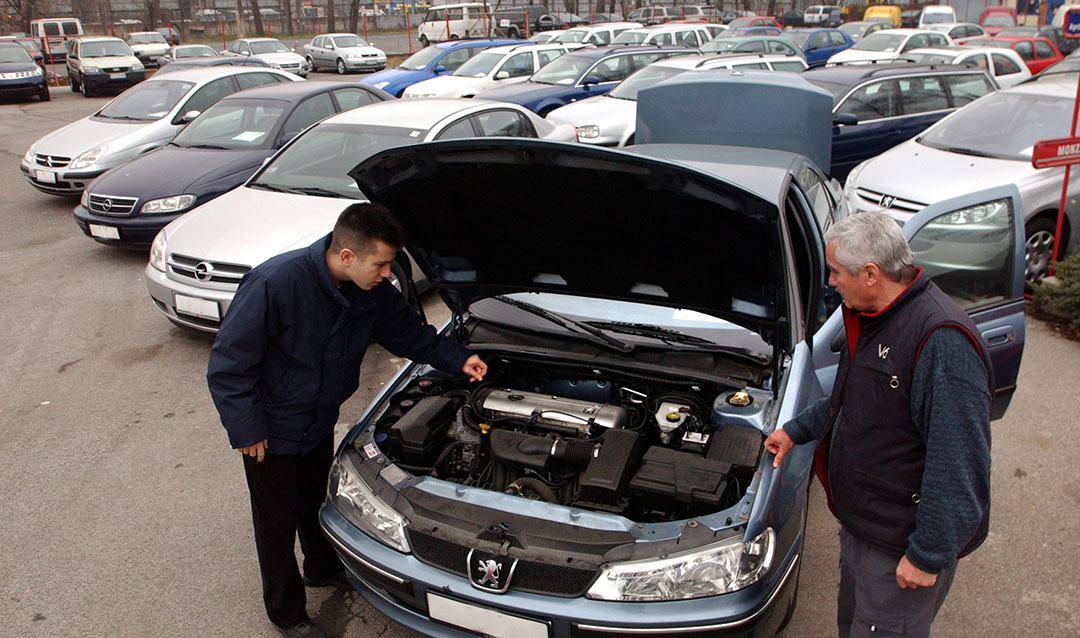
What can a paid vehicle history check tell you?
A paid vehicle history check pulls from insurance databases, the DVLA, the police, and finance companies. It shows whether the car has been written off, reported stolen, clocked, or has outstanding finance.
What the report covers
The report checks the car against the MIAFTR database (Motor Insurers’ Anti-Fraud and Theft Register). This is where UK insurers log every vehicle they write off or pay out a total-loss claim on.
A typical report shows the write-off category (A, B, S, or N), any mileage discrepancies between MOT records, outstanding finance agreements, theft markers, plate changes, and the number of previous keepers.
How paid services compare
| Service | Price | Data guarantee | Key features |
| HPI Check (Full) | £19.99 | £30,000 | MIAFTR write-offs, finance, theft, mileage, VIN match |
| RAC Vehicle Check | £9.99+ | £30,000 | Write-offs, finance, theft, mileage, keeper count |
| AutoTrader Check | £9.99 | £30,000 | Write-offs, finance, theft, DVLA data |
| CarVertical | £9.99 | None stated | European data, damage photos, auction records |
All four pull from the same core MIAFTR database. The main difference is the £30,000 data guarantee offered by HPI, RAC, and AutoTrader, which covers you financially if the report misses something. HPI’s basic check (£9.99) does not include write-off data or the guarantee.
Related: What are car insurance write-off categories (Cat A, B, S and N)?
Can you check a car’s accident history for free?
You can run limited checks for free, but no free service shows full accident history or insurance write-off data. Free tools catch some red flags, not all of them.
GOV.UK MOT history checker
The GOV.UK MOT history checker is the most useful free tool. Enter the registration number and you get every MOT result, advisory note, mileage reading, and failure reason going back years.
Look for sudden mileage drops between tests (clocking), long gaps with no MOT (the car may have been off the road after an accident), or repeated advisories on the same side of the car (possible crash damage).
DVLA vehicle tax check
The DVLA vehicle enquiry service confirms the car’s make, colour, tax status, and SORN history. It won’t show accident data, but a colour change or unexplained SORN period can signal that the car was off the road for repairs.
The Auto Trader method
A lesser-known trick: enter the registration on Auto Trader’s sell-my-car tool. If the car has a recorded write-off marker, the system flags it in the valuation sidebar. It is not always accurate, but it costs nothing to try.
Free checks are a starting point. They are not a substitute for a paid history report, especially on a car costing several thousand pounds.
What are the insurance write-off categories?
UK insurers classify accident-damaged cars into four categories: A, B, S, and N. Categories S and N can be repaired and driven again. Categories A and B cannot.
| Category | Meaning | Can it be repaired? | Can it go back on the road? |
| A | Scrap only | No | No. Must be crushed. |
| B | Body shell destroyed | Parts can be salvaged | No. Shell must be crushed. |
| S | Structural damage | Yes, with professional repair | Yes, after re-inspection. |
| N | Non-structural damage | Yes | Yes. No re-inspection needed. |
Why Category S and N cars still sell
A Category S or N write-off does not mean the car is unsafe. It means the insurer decided the repair cost was too high relative to the car’s value. A dented door on a low-value car can trigger a write-off even if the damage is minor.
If you are considering a repaired write-off, check the repair quality, get a mechanic’s assessment, and factor the write-off marker into the price. A Cat S marker typically reduces resale value by 20–40%. Insuring a write-off can cost more too, as insurers factor the previous damage into your premium.
What physical signs show a car has been in a crash?
Mismatched paint, uneven panel gaps, and fresh welding marks are the most common visible signs of accident repair. Inspect the car in daylight and on a flat surface.
Exterior checks
Walk around the car slowly. Compare the paint colour between adjacent panels. Doors, wings, and bumpers that are a slightly different shade suggest a respray after damage.
Check the gaps between body panels. Gaps that are wider on one side or misaligned point to panels that were replaced or refitted after a collision. Run a finger along the edges to feel for filler or rough texture under the paint.
Interior and under-bonnet checks
Inside the cabin, check whether the airbag warning light stays on. Look at the seatbelts for fraying or signs they have been replaced. Trim panels around the A and B pillars that look newer than the rest of the car may have been removed during airbag replacement.
Under the bonnet, look for fresh welding marks, mismatched bolt heads, or components that appear newer than surrounding parts. Signs of impact near the chassis rails, radiator mount, or suspension towers are serious and should be assessed by a mechanic.
Should you get a mechanic to inspect the car before buying?
Yes. A professional pre-purchase inspection is the single best way to catch accident damage that online checks and your own eyes will miss.
What a pre-purchase inspection covers
A mechanic checks the car’s structure, suspension alignment, underside condition, paint depth, and all mechanical systems. They identify repair quality, hidden corrosion, crash damage that has been covered up, and wear items that need replacing soon.
The AA and RAC both offer pre-purchase inspections with a written report. Costs start from around £120 and go up to £250 depending on the level of detail. Mobile services can inspect the car wherever it is parked.
When to skip the inspection
For very low-value cars (under £1,000), a full inspection may not be cost-effective. In that case, a vehicle history check and your own visual inspection may be enough. For anything above that, the inspection fee is small compared to the risk. If you need cover for a test drive before committing, temporary car insurance lets you insure a vehicle for as little as one day.
How does a car’s accident history affect your insurance?
A car with a Cat N write-off marker typically costs 5–20% more to insure. A Cat S marker (structural damage) can add 20–40% to your premium. The exact increase depends on the repair quality and the insurer.
Declared vs undeclared damage
When you apply for car insurance, you must declare any accidents the car has been involved in that you know about. Failing to disclose known damage can void your policy. If the car has a Cat S or N marker, declare it even if the repair was done to a high standard.
An accident on your own record affects your no-claims bonus. A fault claim typically removes two years of discount from your NCD. Buying a car that was in someone else’s accident does not affect your personal claims history, but the write-off marker stays with the vehicle.
Cover levels and write-offs
If you buy a repaired Cat S car, fully comprehensive cover is usually the best option. Some third-party only policies won’t pay out for damage to your own vehicle, which is a bigger risk on a car with existing structural repairs.
Understanding how your excess works is important too. On a low-value write-off repair, a high voluntary excess could mean you pay more than the car is worth if you need to claim.
What are your legal rights if the seller hid the accident?
Your rights depend on whether you bought from a dealer or a private seller. Dealers are bound by the Consumer Rights Act 2015. Private sellers only need to avoid actively lying.
Buying from a dealer
Under the Consumer Rights Act 2015, the car must be as described, fit for purpose, and of satisfactory quality. If the dealer knew about accident damage and did not disclose it, you can reject the car within 30 days for a full refund. After 30 days, you may still be entitled to a repair, replacement, or partial refund.
Buying privately
Private sellers are not bound by the Consumer Rights Act. However, they cannot misrepresent the vehicle. If they told you the car had never been in an accident and that turns out to be false, you may have a claim for misrepresentation.
In either case, keep the original advert, all messages, and photos from the time of sale. Citizens Advice and Trading Standards can help if the dispute escalates. If the amount involved is under £10,000, the small claims court is the usual route.
Can you sue after a car accident? covers the full legal process if you need to take formal action.
What should you ask the seller before buying?
Ask directly whether the car has been in an accident, written off, or had any major repairs. A confident, documented answer is more telling than the words themselves.
Key questions
Has the car been in any accidents or collisions? Has it ever been classified as a Category S, N, or any other write-off category? Do you have the full service history and receipts for any bodywork or panel repairs?
Is there outstanding finance on the car? Can I see the V5C logbook and current MOT certificate? Can I take the car for a test drive or have it independently inspected?
Red flags in the seller’s response
Be cautious if the seller says the damage was cosmetic only, the accident was not reported to insurance, or there is no paperwork because the previous owner handled the repairs. None of these are dealbreakers on their own, but they mean you should check the car’s insurance status on askMID and invest in a full history check before proceeding.
If a seller refuses a test drive or independent inspection, walk away. There are always other cars. If you do discover hidden damage after buying, knowing how long insurance claims take to settle helps you plan your next steps.
Frequently Asked Questions (FAQs)
Use the GOV.UK MOT history checker to look for mileage drops, test gaps, and repeated advisories. You can also enter the registration on Auto Trader’s sell-my-car tool to check for write-off markers. Free checks are limited and do not replace a paid vehicle history report.
Yes. An HPI check costs around £10 and comes with a £30,000 data guarantee. It checks for write-offs, stolen markers, outstanding finance, mileage discrepancies, and plate changes. The cost is small relative to the risk of buying a car with hidden problems.
MIAFTR (Motor Insurers’ Anti-Fraud and Theft Register) is the database where UK insurers record every vehicle they write off or pay a total-loss claim on. Paid history check services like HPI pull data from MIAFTR. It is not publicly accessible.
A private seller is not legally required to volunteer accident history unless you ask. However, they cannot lie or actively misrepresent the car. If they claim the car has never been in an accident and that is false, you may have a claim for misrepresentation.
Yes. A Cat S or N write-off marker typically increases premiums by 5–20%. You must declare the marker when applying for cover. Some insurers decline to cover repaired write-offs entirely, while others specialise in them. The increase depends on the category, the repair quality, and how long ago the damage occurred.
If your insurer denies a claim because of undisclosed damage, you can appeal through the insurer’s complaints process, then escalate to the Financial Ombudsman Service. Keep all paperwork from the sale and any evidence that the damage was not disclosed.
Category S means the car suffered structural damage that an insurer decided was not worth repairing relative to the car’s value. The car can be repaired and driven again, but the S marker stays on record permanently and must be disclosed when selling or insuring the vehicle.
A pre-purchase inspection from the AA or RAC costs between £100 and £250 depending on the depth of the check. Independent mobile mechanics may charge less. The cost is small compared to the risk of buying a car with hidden structural damage.
Yes, but be careful. If the damage turns out to be more expensive than expected, you lose the protection of your insurer. You may also forfeit your right to claim later if the other party changes their story.
It can. If you were at fault and the rental company’s insurer makes a claim, it may appear on the Claims and Underwriting Exchange (CUE) database. This could affect your premium at renewal.