Commercial Fleet Insurance
Commercial Fleet Insurance Quotes
Cover your business vehicles under one commercial fleet policy.
Partnered with Quotezone
We’re partnered with Quotezone. As an Introducer Appointed Representative of Seopa Ltd (FCA FRN: 313860), we receive a commission if you purchase insurance products via SimplyQuote.co.uk.
We do not provide advice or make recommendations. Your choice of provider is entirely your own.





Compare commercial fleet insurance policies from leading insurers, including;




























What Is Commercial Fleet Insurance?
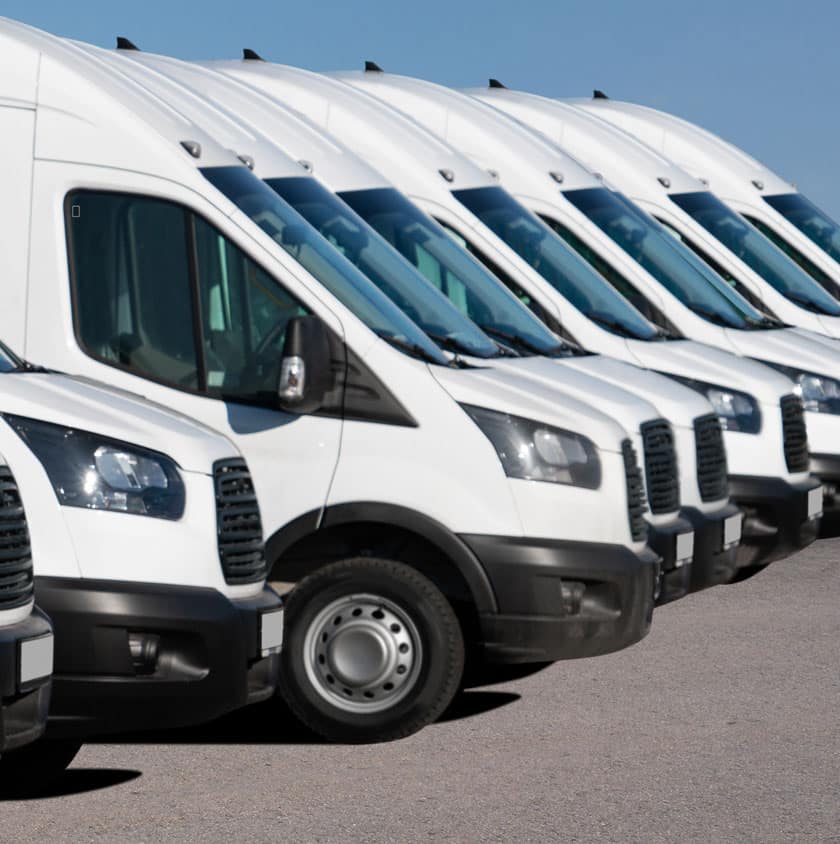
Commercial fleet insurance is a single policy that covers every vehicle a business uses for work, from cars and vans to HGVs and specialist vehicles, under one renewal date and one premium.
It sits under the wider fleet insurance umbrella and is designed for any business that relies on more than one vehicle, whether that is a plumbing firm with three vans or a haulage company with fifty trucks.
Construction firms, logistics companies, delivery services, taxi operators, and courier businesses all use commercial fleet policies. Any organisation with two or more road vehicles can usually qualify.
A commercial fleet policy lets you set different cover levels, named drivers, and use classes for each vehicle on the schedule. Adding or removing vehicles mid-term is usually handled with a single phone call.
How To Compare Commercial Fleet Insurance Quotes
Comparing commercial fleet quotes takes a few minutes and helps you find the best balance between cover and cost across every vehicle your business runs.
Add your drivers.
Provide details for every named driver, including age, licence type, and claims history. Businesses with high driver turnover may want to ask about any-driver cover.
Choose your cover.
You can set different cover levels for each vehicle. A newer delivery van might need comprehensive cover, while an older pool car could run on third-party fire and theft.
Compare and buy.
Review each quote's excess, exclusions, and add-ons before choosing. Cover can start the same day.
What Does Commercial Fleet Insurance Cover?
A commercial fleet policy covers the same core risks as individual motor insurance, with the added benefit of managing every vehicle under one plan.
Third-party liability
Every vehicle on UK roads must carry at least third-party motor insurance under the Road Traffic Act. This pays for damage or injury your drivers cause to other people and their property.
Fire and theft
Third-party fire and theft adds protection if a vehicle is stolen or damaged by fire. This is a common choice for mid-value fleet vehicles that are still in regular use.
Comprehensive cover
Comprehensive cover includes everything above, plus accidental damage to your own vehicles. Most policies also include windscreen repair, a courtesy vehicle, and personal belongings cover.
For fleets with newer or high-value vehicles, comprehensive is almost always the right choice because the cost of an uninsured write-off outweighs the extra premium.
Employers' liability
If any of your drivers are employees, you must hold at least £5 million of employers' liability insurance. Most insurers offer £10 million as standard, and failing to have cover can result in fines of up to £2,500 per day.
Goods in transit
If your fleet carries tools, stock, or customer goods, goods-in-transit cover protects against loss or damage while items are being transported. Standard limits typically range from £1,000 to £10,000 per vehicle.
Optional add-ons
Common extras include breakdown assistance, legal expenses, windscreen cover, and European driving. Businesses with high-value cargo may need to increase their goods-in-transit limits above the standard allowance.
What Levels Of Cover Are Available?
Every vehicle on a commercial fleet policy can sit at its own level of cover, so you can match each one to what it is worth and how it is used.
| Cover Level | Own Vehicle Damage | Fire & Theft | Third-Party Liability | Typical Use |
| Third-Party Only | No | No | Yes | Older low-value vehicles |
| Third-Party Fire & Theft | No | Yes | Yes | Mid-value cars and vans |
| Comprehensive | Yes | Yes | Yes | Newer or high-value vehicles |
Compare Commercial Fleet Insurance
Compare commercial fleet insurance quotes from UK insurers in minutes.
What Is Not Covered By Commercial Fleet Insurance?
Every fleet policy has exclusions, and checking them before you buy prevents surprises at claim time.
Vehicles not on the schedule
Only vehicles listed on your policy are covered. If you buy or lease a new vehicle, contact your insurer to add it before it goes on the road.
Wrong use class
A vehicle insured for social use is not covered if you use it for paid deliveries. Courier fleets and anyone carrying goods for hire need the correct commercial use class declared on every vehicle.
Unlicensed or disqualified drivers
Any driver operating a fleet vehicle must hold a valid UK licence for that vehicle class. Claims involving unlicensed or disqualified drivers will be rejected.
Wear, tear, and mechanical failure
Gradual deterioration, mechanical breakdown, and routine servicing are never covered. Insurance only responds to sudden and accidental events.
Racing, rallying, or competition use
No standard fleet policy covers vehicles used for racing, rallying, pace-making, or any form of speed trial. If a fleet vehicle is entered into a competitive event, it is uninsured for the duration.
Driving outside the policy territory
Most commercial fleet policies cover UK roads only. If your vehicles travel to mainland Europe, add European cover as an optional extra before they leave.
Some insurers offer automatic cover for newly acquired vehicles for a short period, usually seven to fourteen days. Check your policy wording to see whether this applies.
How Much Does Commercial Fleet Insurance Cost?
Commercial fleet insurance typically costs 10-25% less than insuring each vehicle separately, with larger fleets earning bigger discounts.
Premiums depend on fleet size, vehicle types, driver profiles, and claims history. The Association of British Insurers reports that commercial motor premiums have risen in recent years, making fleet discounts more valuable than ever.
| Fleet Size | Typical Annual Cost | Approx. Cost per Vehicle | Estimated Saving vs Separate Policies |
| 5-10 vehicles | £4,000-£12,000 | £800-£1,200 | 10-15% |
| 11-25 vehicles | £8,000-£25,000 | £700-£1,000 | 15-20% |
| 26-50 vehicles | £15,000-£45,000 | £600-£900 | 15-25% |
| 50+ vehicles | £30,000+ | £500-£800 | 20-30% |
For example, a delivery company with 20 vans paying £1,400 per van individually would spend £28,000 per year. A commercial fleet policy for the same 20 vehicles could cost around £22,400, saving roughly £5,600.
For a detailed breakdown, see our guide on how much fleet insurance costs.
Paying annually instead of monthly saves 8-11% on the total cost, since monthly instalments include interest and administration charges.
The cost per vehicle drops as the fleet grows, because insurers spread fixed administration costs across more vehicles and reward the larger premium volume with deeper discounts.
What Affects Your Commercial Fleet Insurance Premium?
Several factors determine how much you pay, and understanding them helps you control costs without cutting cover.
Fleet size and vehicle types
More vehicles on the policy usually means a larger per-vehicle discount. Light commercial vans cost less to insure than HGVs, because repair bills and accident severity are lower for smaller vehicles.
Driver ages and experience
Younger drivers and those with fewer years on the road push premiums up. Fleets that restrict drivers to those aged 25 and over with clean licences get the best rates.
Claims and conviction history
A clean claims record across all named drivers keeps premiums low. Even one driver with multiple at-fault claims can push up the cost for every vehicle on the fleet.
Industry and vehicle use
A fleet of office cars driven on short commutes costs less to insure than a fleet of work vans covering long distances. Tradesmen who carry tools and materials face higher premiums because of the theft risk those loads attract.
Location and overnight security
Vehicles kept in a locked compound or secure yard cost less to insure than those parked on the street. Fitting tracking devices and dash cams can also reduce your premium.
Annual mileage
Vehicles covering long distances each year cost more to insure because they are on the road longer and more likely to be involved in an incident. Accurate mileage estimates keep premiums fair.
No-claims discount
A clean fleet claims record builds a no-claims discount that can reach 60% or more after five consecutive claim-free years. One at-fault claim can reduce the discount across the entire fleet at renewal.
Cover level and excess
Comprehensive cover costs more than third-party only, but it pays out for accidental damage to your own vehicles. Setting a higher voluntary excess lowers the premium on every vehicle.
What Types Of Vehicles Can A Commercial Fleet Cover?
A commercial fleet policy can cover almost any road-legal vehicle your business operates, and many insurers let you mix different vehicle types on the same policy.
Vans and light commercials
Panel vans, pickups, and chassis cabs up to 3.5 tonnes are the most common fleet vehicles. A dedicated fleet van policy covers these at lower rates than individual van insurance because of the volume discount.
HGVs and haulage vehicles
Rigid trucks, articulated lorries, and tipper wagons need a haulage fleet policy with higher liability limits and goods-in-transit cover built in. Premiums are higher per vehicle, but the fleet discount still applies.
Taxis and private hire
Saloon cars, MPVs, and minivans used for paid passenger transport need specific public hire or private hire cover. A taxi fleet policy bundles these requirements with fleet pricing for operators running multiple vehicles.
Coaches and minibuses
Vehicles carrying more than eight passengers need a coach fleet policy that includes higher public liability limits and passenger liability cover.
Small and mini fleets
Businesses with fewer than five vehicles may find a mini fleet policy or small fleet policy offers better value, since these products are rated per vehicle rather than on collective fleet experience.
What Does Each Fleet Type Cost?
Cover needs and premiums vary by fleet type, so the table below sets out what each one typically runs and what it has to include.
| Fleet Type | Typical Vehicles | Key Cover Needed | Typical Cost per Vehicle |
| Van fleet | Panel vans, pickups | Comprehensive + goods in transit | £600-£1,400 |
| HGV fleet | Rigid trucks, artics | Comprehensive + goods in transit + EL | £1,500-£4,000 |
| Courier fleet | Cars, small vans | Hire and reward + goods in transit | £1,200-£2,000 |
| Taxi fleet | Saloon cars, MPVs | Public or private hire cover | £1,500-£3,000 |
| Mixed fleet | Cars, vans, trucks | Mixed cover levels per vehicle | £600-£2,000 |
Most insurers let you combine different vehicle types on one policy, so a business running vans and HGVs does not need separate fleet policies for each.
How To Save Money On Commercial Fleet Insurance
A commercial fleet policy already saves money by bundling vehicles, but there are extra steps you can take to bring the premium down further.
Compare quotes from multiple insurers
Fleet insurance prices can vary by 30% or more between providers. Comparing quotes side by side is the fastest way to find the best deal for your fleet.
Pay annually instead of monthly
Monthly instalments add interest and admin fees that increase your total cost by 8-11%. Paying upfront for the full year removes those charges.
Increase voluntary excess
Raising the excess on each vehicle lowers the premium. Set it at a level the business could comfortably absorb if you needed to claim.
Invest in security and telematics
Fitting tracking devices, dash cams, and immobilisers to every vehicle can cut your premium. Telematics data also helps you identify unsafe drivers before they have a claim.
Build a fleet no-claims history
Each claim-free year builds your fleet no-claims discount, which can reach 60% or more after five years. For more on how fleet policies work, read our fleet insurance guide.
Train your drivers
Driver training courses reduce accident rates and show insurers your business takes risk management seriously. Some providers offer premium discounts for fleets that complete approved driver safety programmes.
Remove unnecessary vehicles
Review your fleet schedule at every renewal. Taking off vehicles that are rarely used or no longer needed reduces the total premium immediately.
Compare Commercial Fleet Insurance
Compare commercial fleet insurance quotes from UK insurers in minutes.

Frequently Asked Questions
Most insurers accept commercial fleets with as few as two vehicles, though some set the minimum at three or five. Our guide on how many vehicles you need for fleet insurance explains how thresholds vary between providers.
Yes, most insurers let you combine cars, vans, HGVs, and specialist vehicles on a single policy. Each vehicle can have its own cover level and use class.
There is no legal requirement to buy a fleet policy specifically, but every vehicle used on public roads must carry at least third-party motor insurance. A fleet policy is the most cost-effective way to meet that obligation for multiple vehicles.
Some insurers offer any-driver cover, which lets any employee with the correct licence drive any vehicle on the fleet. This is more common on larger fleets and costs more than named-driver policies.
A claim on one vehicle does not automatically affect the no-claims discount on the others. However, your overall fleet claims record will influence your renewal premium.
Most insurers let you add or remove vehicles at any point. There may be an admin fee, and your premium will be adjusted to reflect the change.
You do not need an operator licence to insure a fleet of cars and vans under 3.5 tonnes. HGV operators carrying goods for hire do need a goods vehicle operator licence from the Traffic Commissioner.
Most policies can be arranged within minutes. Cover typically starts the same day or the next working day, depending on the insurer.
It depends on the use class declared for each vehicle. If a vehicle is insured for social, domestic, and pleasure use alongside business use, personal driving is included.
Yes, most insurers now cover electric and hybrid vehicles on fleet policies. Premiums may be slightly higher because of the specialist repair costs, but the fleet discount still applies.
Leased vehicles can usually be added to a fleet policy as long as the finance company agrees. Short-term hired vehicles are typically covered by the hire company's own insurance, not your fleet policy.
Fleet insurance covers vehicles owned by one business and includes any-driver options, fleet management, and commercial use classes. Multi-vehicle policies are aimed at households with several cars and do not offer those features.