
What Is Fleet Insurance?


Fleet insurance is a single commercial policy that covers multiple vehicles under one agreement, rather than insuring each vehicle individually.
It is designed for businesses that operate two or more vehicles, from small delivery firms with a pair of vans to large haulage companies with hundreds of HGVs.
Below we explain what a fleet policy covers, who qualifies, how premiums are calculated, and how to reduce costs.
Fleet insurance is a single policy that covers all your business vehicles under one agreement, simplifying admin with one renewal date, one point of contact, and typically lower costs than insuring each vehicle separately.
Get a fleet insurance quote to see how much your business could save.
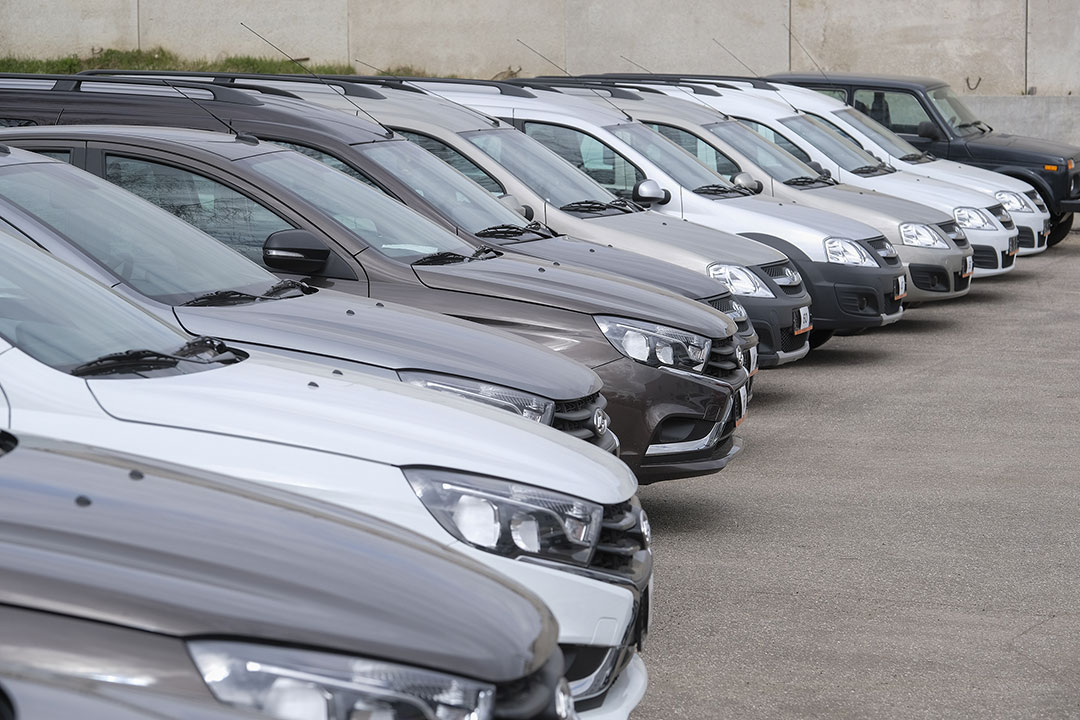
What does fleet insurance cover?
A fleet policy provides the same core motor cover as an individual policy, but applied across all the vehicles on your fleet.
What levels of cover are available?
You can choose third-party only (the legal minimum under the Road Traffic Act 1988), third-party fire and theft, or fully comprehensive cover. Most fleet operators choose fully comprehensive because the per-vehicle cost is lower in bulk.
What else can a fleet policy include?
Many fleet policies also include windscreen cover, breakdown assistance, and courtesy vehicles. Add-ons such as goods in transit, legal expenses, and uninsured driver cover are available at extra cost.
If your drivers interact with the public, public liability insurance is strongly recommended alongside your fleet policy.
If you employ drivers, you will also need employers’ liability cover as a legal requirement.
Always check that your insurer is listed on the FCA register before committing to a policy.
Who needs fleet insurance?
Any business or organisation that operates two or more vehicles. You do not need a large fleet to qualify.
What types of business use fleet insurance?
| Business Type | Typical Fleet Size | Common Vehicles |
| Delivery and courier firms | 2–50+ | Vans, cars, electric vehicles |
| Haulage and logistics | 10–500+ | HGVs, articulated lorries, trailers |
| Taxi and private hire | 2–50+ | Cars, minibuses, wheelchair-accessible vehicles |
| Tradespeople (plumbers, electricians) | 2–20 | Vans, pickup trucks |
| Charities and local authorities | 5–100+ | Mixed fleet (cars, vans, minibuses) |
| Car dealerships | 10–100+ | Stock vehicles, courtesy cars, demonstrators |
Can you get fleet insurance with just two vehicles?
Yes, a mini-fleet policy covers as few as two vehicles. This is often cheaper than running two separate policies because insurers offer a bulk discount.
Specialist fleets such as taxis, couriers, and vans can also be covered under a fleet policy tailored to their industry.
How is fleet insurance calculated?
Premiums are based on the overall risk profile of your fleet, not just individual vehicles. Insurers assess the combined claims history, driver records, and vehicle types.
What factors affect the premium?
| Factor | How It Affects Your Premium |
| Fleet size | Larger fleets often get lower per-vehicle rates |
| Vehicle types | HGVs and specialist vehicles cost more than cars or vans |
| Claims history | A clean record across the fleet reduces premiums significantly |
| Driver profiles | Younger or less experienced drivers increase the overall premium |
| Annual mileage | Higher mileage means more time on the road and more risk |
| Security measures | Trackers, dashcams, and secure overnight parking all reduce costs |
| Cover level | Fully comprehensive costs more than third-party only |
| Business use type | Haulage and courier work carries higher risk than office commuting |
The ABI reports that motor repair costs have risen sharply, topping £2.1 billion in the first half of 2025 alone. A clean claims record is now more valuable than ever when negotiating your fleet renewal.
We break down typical costs by fleet size and vehicle type in our fleet insurance cost guide.
How do no-claims bonuses work on fleet policies?
Fleet policies do not use traditional no-claims bonuses like individual policies do. Instead, insurers assess your Confirmed Claims Experience (CCE), which covers three to five years of fleet-wide loss history.
A strong CCE with few claims leads to lower premiums at renewal. One bad year across the fleet can push the entire renewal up, so driver training and risk management matter.
What are the advantages of fleet insurance?
The main advantage is simplicity: one policy, one renewal date, and one point of contact for claims across all your vehicles.
How does it compare to individual policies?
| Feature | Fleet Insurance | Individual Policies |
| Admin | One policy, one renewal | Separate renewals for every vehicle |
| Cost | Bulk discount (lower per-vehicle) | No volume discount |
| Adding vehicles | Add mid-term to existing policy | New policy for each vehicle |
| Claims handling | Single insurer manages all claims | Different insurers, different processes |
| Driver cover | Named drivers or any-driver option | Named drivers only per vehicle |
| Flexibility | Mix vehicle types on one policy | Each vehicle on its own terms |
For businesses with just one or two vehicles used mainly for commuting, individual car insurance policies may still be the better option.
Is ‘any driver’ cover worth it?
Any-driver cover lets anyone with a valid licence drive any vehicle on your fleet. It costs more than named-driver cover but removes the admin of updating the policy every time a driver changes.
It is especially useful for businesses with a high turnover of staff or seasonal workers. For fleets with young drivers, expect a higher premium regardless of the cover type.
How can you reduce fleet insurance costs?
The most effective way to reduce premiums is to lower the risk profile of your fleet through better driver behaviour, security measures, and smart policy choices.
What practical steps can you take?
Install telematics (black box) devices in every vehicle. Insurers reward fleets that can demonstrate safe driving with lower premiums.
Fit dashcams, use GPS trackers, and park vehicles in a secure compound overnight. These measures reduce theft and fraud risk, which directly lowers your premium.
Should you increase the voluntary excess?
Yes, raising your voluntary excess reduces the premium. Just make sure the excess is affordable if you need to claim across multiple vehicles at once.
Comparing quotes is also important. Prices vary widely between insurers, and our tips for lowering premiums apply to fleet policies too.
Frequently Asked Questions (FAQs)
Most insurers offer fleet policies from two vehicles upwards. A mini-fleet policy is designed specifically for smaller fleets of two to five vehicles.
Yes, most fleet policies let you cover cars, vans, HGVs, and specialist vehicles on the same policy. This is one of the main advantages over individual policies.
Some policies include social, domestic, and pleasure use alongside business use. Check with your insurer, as this is not always included as standard.
Yes, if you employ anyone who drives your fleet vehicles, employers’ liability insurance is a legal requirement with a minimum of £5 million cover.
One driver’s poor record can increase the premium for the whole fleet, as insurers assess claims history across all vehicles. Some insurers let you isolate high-risk drivers to limit the impact on your overall renewal.
Usually, yes, because bulk discounts and a single admin fee reduce the overall cost. You can compare fleet insurance quotes to see the difference for your business.
Yes, fleet policies are flexible and you can add or remove vehicles mid-term without starting a new policy. For businesses that also buy and sell vehicles, motor trade insurance may be more appropriate.