Fleet Van Insurance
Compare Fleet Van Insurance Quotes
All your vans on one policy. Compare 20+ UK insurers.






Compare fleet van insurance policies from leading insurers, including;




























What Is Fleet Van Insurance?
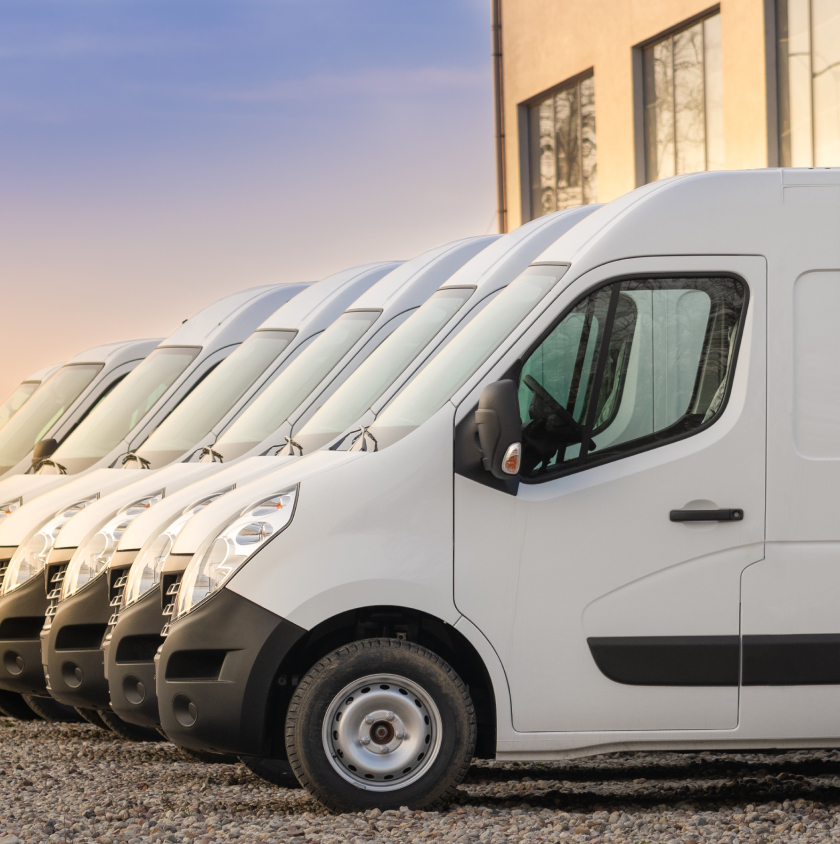
Fleet van insurance is a single policy that covers two or more vans owned or operated by the same business. It replaces separate policies with one plan, one renewal date, and one point of contact for claims.
It sits under the broader fleet insurance umbrella but focuses on commercial vans. Panel vans, Luton box vans, pickups, and tippers can all go on the same policy.
If you run a single van, standard van insurance is all you need. Once you add a second van, a fleet policy usually works out cheaper and simpler than managing two individual policies.

How To Compare Fleet Van Insurance Quotes
Comparing quotes from multiple providers is the fastest way to find cover that matches your fleet without overpaying.
List your vehicles
Record the registration, make, model, and annual mileage of every van. Include any vehicles on order that will join the fleet during the policy term.
Choose cover level
Decide whether each van needs fully comprehensive, third-party fire and theft, or third-party only cover. You can set different levels for different vehicles on the same policy.
Add drivers
Provide details for every driver, including licence history and any convictions. Choose named-driver cover to keep costs down, or any-driver cover if staff regularly swap vehicles.
Compare and buy online
Look beyond the headline price. Check excess amounts, exclusions, and which add-ons are included.
Who Needs Fleet Van Insurance?
Any business or sole trader running two or more commercial vans can benefit from a fleet van policy. The type of cover you need depends on your industry, fleet size, and vehicle mix.
By industry

Courier fleet insurance
covers last-mile delivery firms and e-commerce fulfilment companies that rely on vans daily.

Haulage fleet insurance
is for businesses that transport goods for a fee, often running mixed fleets of vans and HGVs.

Taxi fleet insurance
protects private hire and taxi firms that operate multi-purpose vehicles including vans.

Car hire fleet insurance
covers rental companies that include vans in their hire fleet alongside cars and minibuses.
Trades & construction businesses also make up a large share of van fleets. Plumbers, electricians, builders, and roofers use vans to carry tools & materials between jobs.
By fleet size

Mini fleet insurance
covers fleets of two to five vehicles and is often the simplest starting point for growing businesses.

Small fleet insurance
is designed for fleets of roughly five to fifteen vehicles, with pricing that reflects the lower risk of a managed operation.
Commercial fleet insurance
covers larger operations running fifteen or more vehicles, typically with dedicated fleet managers and telematics.
You do not need to be a limited company. Sole traders and partnerships running two or more vans qualify for fleet cover and benefit from the same bulk savings.
By vehicle mix

HGV fleet insurance
covers businesses running heavy goods vehicles alongside vans on one combined policy.

Minibus fleet insurance
is for operators using minibuses for staff transport, school runs, or community services.

Multi-car and van insurance
keeps cars for managers or sales staff on the same policy as your commercial vans.

Coach fleet insurance
covers operators running coaches or large passenger vehicles alongside commercial vans.

Family fleet insurance
is available for households with multiple vehicles, though most van fleets are commercial.
What Types Of Van Can You Insure?
Fleet van policies are not restricted to one type of van. You can mix different sizes and body styles on the same policy.
| Van Type | Typical Use |
| Small panel vans | Electricians, plumbers, mobile services |
| Medium panel vans | Delivery firms, tradespeople, couriers |
| Large panel vans | Removals, bulk deliveries, construction |
| Luton box vans | Removals, furniture delivery, event logistics |
| Pickups | Landscapers, farmers, construction sites |
| Tippers | Builders, waste removal, groundwork contractors |
| Refrigerated vans | Food delivery, catering, pharmaceutical transport |
Many van fleets also run cars for managers or sales staff. You can often add them to the same policy.
What Does Fleet Van Insurance Cover?
A standard fleet van policy protects you, your drivers, and third parties against the financial cost of accidents, theft, and damage.
What is included?
Third-party damage covers injury or property damage your drivers cause to other road users. Fire and theft protection replaces or repairs your van if it is stolen or damaged by fire.
Fully comprehensive policies also pay for damage to your own van regardless of fault, plus windscreen repair or replacement without affecting your claims record.
What’s not covered?
Wear and tear on tyres, brake pads, and mechanical parts is excluded. The ABI publishes guidance on standard motor insurance exclusions that applies to fleet policies too.
Claims are void if the driver is over the legal alcohol or drug limit, or if the van is left unattended and unlocked.
What Are the Levels Of Fleet Van Cover?
Fleet van insurance follows the same three-tier structure as standard van insurance.
The cover levels are set out by the Road Traffic Act 1988.
| Cover Level | Third-Party Damage | Fire & Theft | Own Van Repairs | Windscreen Repairs |
| Third-party only | Yes | No | No | No |
| Third-party, fire and theft | Yes | Yes | No | No |
| Fully comprehensive | Yes | Yes | Yes | Yes |
Fully comprehensive is the most popular choice for commercial van fleets. Some insurers set it as their minimum for fleet policies.
What Add-Ons Can You Include?
Most fleet van insurers let you bolt on extra cover to fill gaps a standard policy leaves open.
Breakdown cover
Roadside recovery and on-site repair for any van in your fleet. Worth adding if your business depends on vehicles being on the road every day.
Goods in transit
Covers damage or loss of goods you transport. If you run a delivery, courier, or haulage business, a single lost load can cost thousands.
Employers’ liability
Every business with staff must hold employers’ liability insurance by law under the Employers’ Liability (Compulsory Insurance) Act 1969. It covers legal costs if an employee is injured at work.
Public liability
Covers claims from members of the public if your work causes injury or property damage. Not legally required, but most commercial clients expect it. You can compare quotes on our public liability insurance page.
Hire and reward
Required if your vans transport goods for a fee. Removal firms and haulage operators need this as a condition of their contracts.
Courtesy vehicle
Provides a temporary replacement van while yours is being repaired. Keeps your drivers on the road and your deliveries running.
How Much Does Fleet Van Insurance Cost?
There is no fixed price because premiums depend on your vehicles, your drivers, and your claims history.
| Cover Level | Approx. Annual Cost (Single Van) | Fleet Discount Potential |
| Third-party only | £480 | 5% to 15% saving per van |
| Third-party, fire and theft | £560 | 8% to 20% saving per van |
| Comprehensive | £652 | 10% to 30% saving per van |
Indicative figures based on UK van insurance market data.
What affects your premium?
Fleet size is the biggest factor. More vans usually mean a lower per-vehicle rate.
Driver profiles also matter. Younger drivers and those with claims or convictions push premiums up.
Van type and value play a role too. A high-value Luton box van costs more to insure than a small panel van.
Vans kept in a locked yard overnight attract lower premiums than those parked on the street.
Our guide on how much fleet insurance costs breaks down each pricing factor in detail.
How To Reduce Fleet Van Insurance Costs
Insurers price fleet policies based on risk, so reducing the risk your fleet presents is the fastest way to lower premiums.
The FCA recommends comparing quotes from several providers to find the best deal.
Hire experienced drivers
Clean licences and at least two years of driving experience attract lower rates from most fleet insurers.
Install telematics
Black-box trackers monitor driving behaviour and can unlock discounts at renewal. Our guide on fleet management explains how telematics fits into a wider cost-control strategy.
Secure overnight parking
Locked yards, garages, and CCTV-monitored compounds reduce theft risk. Insurers reward secure storage with lower premiums.
Increase voluntary excess
A higher excess per claim lowers the annual premium. Make sure the excess is affordable across the whole fleet if you have a bad month.
Keep vehicles well maintained
Up-to-date servicing and a valid MOT signal lower risk to underwriters. Keeping every van MOT-compliant is a legal requirement and a practical cost-saver.
Should You Choose Named-Driver Or Any-Driver Cover?
Named-driver policies list every driver by name and are cheaper because the insurer knows exactly who is behind the wheel.
Any-driver policies let any employee with a valid licence drive any van on the fleet. They cost more but suit businesses where drivers swap vehicles regularly or where agency staff cover shifts.
If you run a small fleet with a fixed team, named-driver cover is usually the better value. Larger operations with rotating staff often need the flexibility of any-driver.

Frequently Asked Questions
Most insurers accept fleets from two vans upward, though some set the minimum at five. Our guide on how many vehicles you need for fleet insurance explains the thresholds in detail.
In most cases, bundling vans onto one policy reduces the per-vehicle cost. The more vans you add, the greater the potential saving.
Panel vans, box vans, pickups, and tippers can all sit on the same fleet policy. Some insurers also let you add cars and other commercial vehicles.
Some policies include social, domestic, and pleasure use alongside business cover. Others restrict cover to business use only, so confirm with your broker.
Most fleet policies let you add new vans or remove old ones mid-term. The insurer adjusts the premium so you only pay for the vans you are running.
An any-driver policy lets any employee with a valid licence drive any van on your fleet. It costs more than named-driver cover but suits businesses where drivers swap vehicles regularly.
Fleet policies do not build a traditional no-claims bonus. Instead, insurers review your overall claims history at renewal to set your price.
Most insurers require fleet van drivers to be at least 25. Some specialist providers cover younger drivers but at a higher premium.
Insuring your vehicles is a legal requirement under the Road Traffic Act 1988, and fleet insurance is simply a convenient way to meet that obligation for multiple vans. See our guide on what fleet insurance is for a full explanation.
Yes, most fleet insurers let you add cars, motorcycles, and other vehicle types alongside your vans on the same policy.
